Many older adults face challenges maintaining their homes as they age. Limited mobility, fixed incomes, and the rising cost of repairs can make it difficult to keep living spaces safe and accessible. Fortunately, a variety of nonprofit home repair programs for seniors exist to help older homeowners stay independent and comfortable in their own homes. These initiatives offer crucial support, from minor fixes to major modifications, ensuring that aging in place remains a viable and dignified option.
This article explores the types of assistance available, eligibility requirements, and how to connect with organizations that provide these valuable services. If you’re considering upgrades for safety—such as bathroom modifications or accessibility improvements—be sure to review resources like walk-in shower grab bar weight ratings to ensure proper support and installation.
Understanding Charitable Home Repair Assistance
Nonprofit organizations play a vital role in helping seniors maintain their homes. These groups, often funded by donations and grants, provide free or low-cost repairs and modifications for older adults who meet certain criteria. Services can range from fixing leaky roofs and faulty wiring to installing ramps and grab bars for better accessibility.
The primary goal of these programs is to create safer, healthier living environments for seniors, reducing the risk of falls and injuries. By addressing critical repair needs, nonprofits help prevent displacement and support independent living.
Types of Services Offered by Senior Home Repair Charities
The scope of assistance varies between organizations, but most focus on essential repairs and modifications that directly impact safety and quality of life. Common services provided by senior home repair nonprofits include:
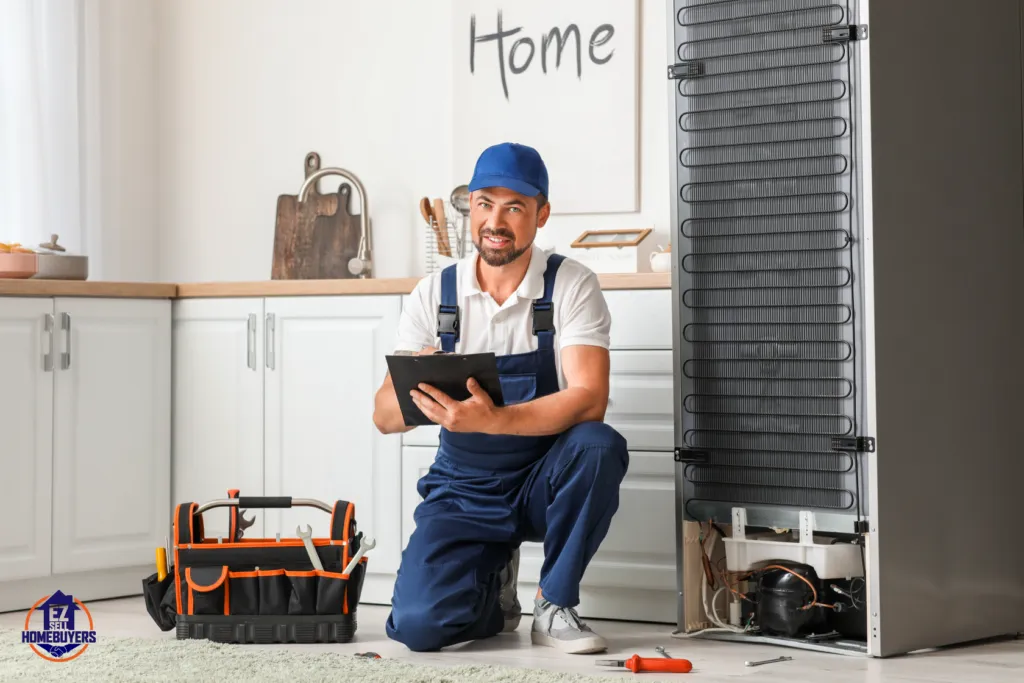
- Fixing plumbing, electrical, and heating issues
- Repairing or replacing roofs and windows
- Building wheelchair ramps and widening doorways
- Installing bathroom safety features such as grab bars and walk-in tubs
- Improving lighting and flooring to prevent falls
- Addressing code violations and accessibility barriers
For those considering bathroom upgrades, resources like walk-in tub frame construction types can help you choose the right materials for durability and safety.
Eligibility and Application Process for Nonprofit Repair Programs
Most organizations that offer nonprofit home repair programs for seniors have specific eligibility requirements. These often include age (typically 60 or older), income limits, and home ownership status. Some programs may also prioritize individuals with disabilities or those living in rural or underserved areas.
The application process usually involves submitting proof of income, identification, and documentation of home ownership. In some cases, an assessment or home inspection may be required to determine the most urgent repair needs.
It’s important to gather all necessary paperwork and respond promptly to requests for additional information. Many organizations operate on a first-come, first-served basis or have limited funding cycles, so early application increases your chances of receiving help.
Major National and Local Nonprofit Organizations
Several well-known charities and community groups provide repair and modification services for older adults. Some of the most prominent include:
- Rebuilding Together: A national nonprofit with affiliates across the U.S., offering critical repairs, accessibility modifications, and energy efficiency upgrades for low-income seniors.
- Habitat for Humanity: Many local chapters run home preservation programs focused on repairs and weatherization for older homeowners.
- Area Agencies on Aging: These local agencies often coordinate with nonprofits to connect seniors with home repair resources in their communities.
- Local faith-based and community organizations: Churches, synagogues, and civic groups frequently organize volunteer repair days or sponsor projects for elderly neighbors.
To learn more about the advantages of these initiatives, visit this overview of senior citizen home repair program benefits.
Accessibility Upgrades and Safety Modifications
Many seniors benefit from accessibility improvements that make daily living easier and safer. Nonprofit organizations often prioritize modifications such as:
- Installing ramps and stair lifts
- Adding grab bars and non-slip flooring in bathrooms
- Lowering countertops and cabinets for wheelchair access
- Improving lighting in hallways and entryways
- Replacing traditional tubs with walk-in models
When considering these upgrades, it’s helpful to understand options like walk-in tub warranty terms to ensure long-term peace of mind.

Tips for Finding and Working with Nonprofit Repair Services
Finding the right assistance can take time, but a few steps can help streamline the process:
- Start with local resources such as your Area Agency on Aging or community centers.
- Contact national organizations and ask about local affiliates or partner programs.
- Prepare all necessary documentation before applying.
- Be clear about your most urgent repair needs and any accessibility challenges you face.
- Ask about wait times, funding cycles, and follow-up support after repairs are completed.
For those considering major bathroom upgrades, learning about walk-in tub faucet types and flow rates can help you select features that improve both safety and convenience.
Frequently Asked Questions
What types of repairs do nonprofit organizations typically cover for seniors?
Most groups focus on essential repairs that impact safety and accessibility, such as fixing plumbing or electrical issues, repairing roofs, installing ramps, and adding bathroom safety features. Some also address weatherization and energy efficiency.
How can I find out if I qualify for a nonprofit home repair program?
Eligibility is usually based on age, income, and home ownership. Contact local organizations or your Area Agency on Aging to learn about specific requirements and application steps in your area.
Are there costs involved, or are services always free?
Many nonprofits offer services at no cost to qualifying seniors, but some may request a small contribution based on your income. Always ask about potential fees or suggested donations before work begins.
Conclusion
Accessing nonprofit home repair programs for seniors can make a significant difference in the ability to age safely and comfortably at home. By understanding available resources, eligibility requirements, and the types of services offered, older adults and their families can take proactive steps to maintain independence and quality of life. Whether you need minor repairs or major accessibility upgrades, these charitable organizations are a valuable ally in supporting safe, healthy living environments for seniors.