
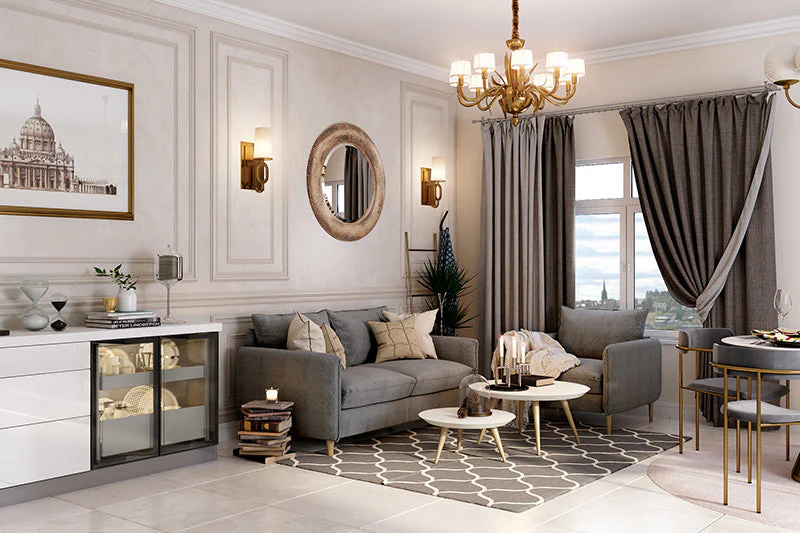
Many homes and workplaces have areas where shadows linger, making them difficult to navigate and potentially unsafe. Addressing these dim spaces is essential for both comfort and security. Whether it’s a hallway, a stairwell, or a tucked-away nook, the right lighting for dark corners can transform these spots into bright, functional parts of your environment.
Improving illumination in shadowy areas not only enhances visibility but also reduces the risk of trips and falls. With a thoughtful approach, you can select lighting solutions that blend seamlessly with your décor while making your space safer for everyone. For those considering broader home safety upgrades, understanding walk-in shower grab bar weight ratings can also be beneficial.
Why Proper Illumination Matters in Shadowy Areas
Insufficient lighting in corners and tight spaces can lead to more than just aesthetic issues. Poorly lit areas are common sites for accidents, especially for children, older adults, or anyone with limited mobility. By focusing on lighting for dark corners, you can:
- Reduce the risk of falls by making obstacles and changes in floor level visible.
- Enhance security by eliminating hiding spots in entryways or garages.
- Improve comfort by making every part of a room usable and inviting.
- Highlight architectural features or décor that might otherwise go unnoticed.
For those interested in the technical aspects of lighting, exploring different types of lighting and their effects can help you make informed decisions about which fixtures to use.
Common Problem Spots That Need Better Lighting
Some areas are especially prone to dimness due to their layout or lack of natural light. Typical locations that benefit from targeted illumination include:
- Hallways and corridors, especially those with few or no windows
- Staircases, where shadows can hide steps and create hazards
- Closets and storage rooms
- Under-cabinet spaces in kitchens or work areas
- Basements and utility rooms
- Entryways and mudrooms
- Garage corners or outdoor sheds
Addressing these spots with the right lighting solutions can make a significant difference in both safety and usability.
Best Lighting Options for Dim Corners
Selecting the right fixture depends on the size of the space, the existing décor, and how the area is used. Here are several effective options for brightening up shadowy spots:
Recessed and Downlights
Recessed lighting, also known as can lights or pot lights, is ideal for providing focused illumination without taking up visual space. These fixtures are installed into the ceiling, making them perfect for low ceilings or modern interiors.
Wall Sconces and Accent Lights
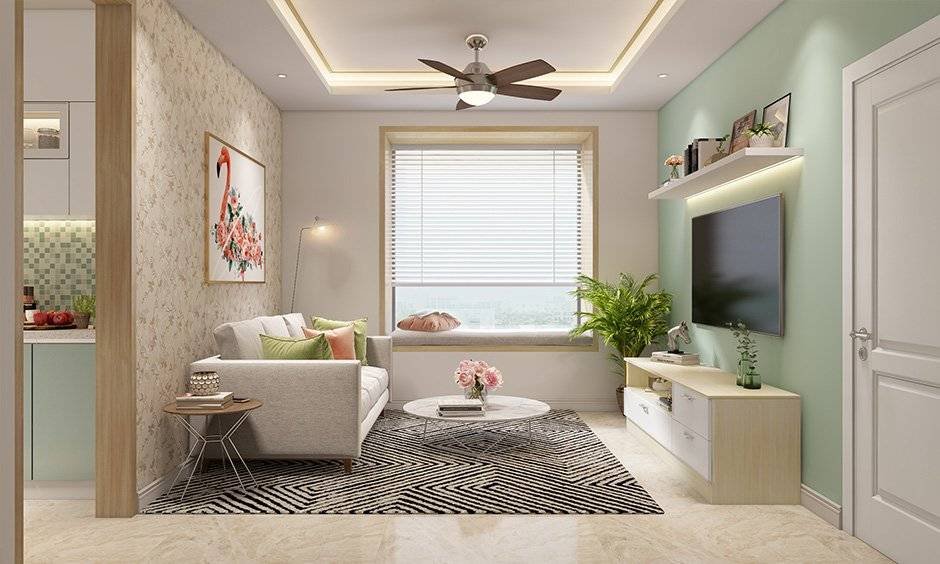
Wall-mounted fixtures can add both style and function. Sconces are especially useful for illuminating staircases, hallways, or alcoves. Choose models with adjustable heads to direct light exactly where it’s needed.
Motion Sensor and Night Lights
For areas that are used intermittently, such as closets or entryways, motion-activated lights provide hands-free convenience and energy savings. Night lights with LED technology are also a great choice for bedrooms, bathrooms, or children’s rooms, offering gentle illumination at night.
Under-Cabinet and Strip Lighting
LED strip lights or puck lights are perfect for under shelves, cabinets, or inside closets. They can be installed with adhesive backing and are available in battery-powered or plug-in versions, making them versatile for any location.

Tips for Choosing and Installing Fixtures
When planning to brighten up shadowy spaces, keep these practical tips in mind:
- Match the color temperature of new lights to your existing fixtures for a cohesive look. Warmer tones (2700K–3000K) are cozy, while cooler tones (4000K–5000K) feel crisp and energizing.
- Opt for energy-efficient LEDs to save on electricity and reduce maintenance.
- Use dimmers where possible to adjust brightness based on the time of day or activity.
- Consider smart lighting for remote control and automation, especially in hard-to-reach areas.
- Ensure proper installation by following manufacturer instructions or hiring a qualified electrician for hardwired fixtures.
If you’re upgrading other safety features in your home, you might also want to learn about walk-in tub frame construction types for bathrooms.
Maintaining and Updating Your Lighting Solutions
Once you’ve addressed the dim spots in your home or office, regular maintenance ensures your lighting continues to perform well. Here’s how to keep your fixtures in top shape:
- Clean bulbs and covers periodically to remove dust and maximize brightness.
- Replace burned-out bulbs promptly to avoid new shadows forming.
- Check for loose wiring or flickering lights and address issues quickly.
- Review your setup annually to see if new technology or changing needs call for upgrades.
FAQ: Lighting for Challenging Spaces
What’s the best way to light a narrow hallway with no windows?
For windowless hallways, a combination of ceiling-mounted fixtures and wall sconces works well. Recessed lights spaced evenly along the ceiling provide general illumination, while sconces add warmth and reduce shadows at eye level.
How can I add lighting to a corner without wiring?
Battery-powered LED puck lights or adhesive strip lights are excellent for spaces where running new wiring isn’t practical. These options are easy to install and can be placed almost anywhere, including closets, shelves, or under cabinets.
Are motion sensor lights safe for use in bedrooms or children’s rooms?
Yes, motion-activated night lights are safe and convenient for bedrooms and children’s spaces. They provide gentle illumination when movement is detected, helping prevent trips at night without disturbing sleep.
Where can I learn more about lighting types and their uses?
For a deeper understanding of different lighting categories and how they affect your space, visit this comprehensive lighting guide.
Conclusion
Addressing dim and shadowy areas is a practical step toward a safer, more comfortable environment. By choosing the right lighting for dark corners, you can reduce hazards, improve the look of your space, and make every corner functional. Whether you opt for recessed lights, motion sensors, or easy-to-install LED strips, a thoughtful approach will ensure lasting results.
For more information on home safety and accessibility, explore resources like understanding walk-in tub warranty terms or are walk-in tubs covered by insurance.