

Achieving lighting for visual clarity is essential for creating a comfortable and functional living environment. The right illumination not only enhances the look of your space but also supports your daily activities, reduces eye strain, and improves safety. Whether you’re reading, cooking, or simply relaxing, well-designed lighting helps you see details more clearly and move around with confidence.
Many homeowners overlook how much proper lighting impacts their quality of life. Factors such as fixture placement, bulb type, and color temperature all play a role in how well you can see and enjoy your home. By understanding the principles behind effective illumination, you can make informed choices that benefit every room.
When considering upgrades for your home, it’s important to think about how lighting affects accessibility and safety. For example, in bathrooms where slip hazards are a concern, pairing good lighting with safety features like walk-in shower grab bar weight ratings can further reduce risks and support independent living.
Understanding the Basics of Visual Clarity Through Lighting
To maximize visual clarity in your living spaces, it’s important to understand the three main types of lighting: ambient, task, and accent. Each serves a distinct purpose:
- Ambient lighting provides overall illumination, allowing you to navigate rooms safely.
- Task lighting focuses light on specific areas for activities like reading, cooking, or grooming.
- Accent lighting highlights architectural features or decor, adding depth and interest.
Combining these layers ensures that each area is lit appropriately for its function. For example, a kitchen benefits from bright task lights over counters, while a living room might use softer ambient lighting with accent lamps to create a relaxing atmosphere.
Choosing the Right Bulbs and Fixtures for Enhanced Perception
Selecting the right bulbs and fixtures is crucial for lighting for visual clarity. Here are some key considerations:
- Brightness (Lumens): Higher lumens mean brighter light. Choose bulbs that provide enough illumination for the room’s size and purpose.
- Color Temperature: Measured in Kelvins (K), this affects how “warm” or “cool” the light appears. Warm white (2700K–3000K) is cozy, while cool white (4000K–5000K) is crisp and ideal for tasks.
- Color Rendering Index (CRI): A higher CRI (80 or above) ensures colors appear natural and details are easier to distinguish.
- Fixture Design: Fixtures should direct light where it’s needed most and minimize glare or shadows.
Modern LED options offer excellent brightness and efficiency, making them a smart choice for most homes. Dimmable fixtures provide flexibility, allowing you to adjust light levels based on the time of day or activity.
Room-by-Room Strategies for Improved Visibility
Each area of your home has unique lighting needs. Here’s how to optimize illumination for better perception and comfort:
Living Room and Family Spaces
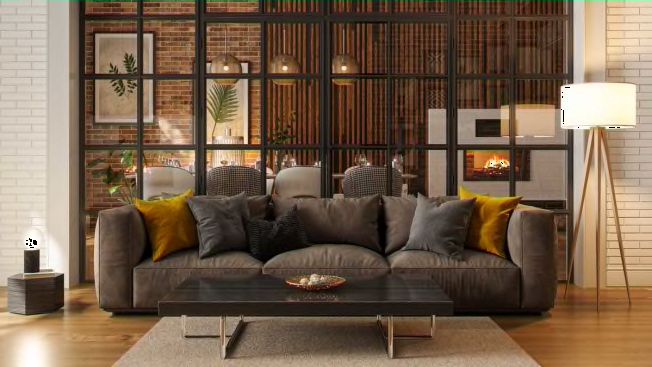
Use a mix of ceiling fixtures, floor lamps, and table lamps to create layers. Adjustable lighting lets you switch between bright light for activities and softer light for relaxation. Consider fixtures with diffusers to reduce harsh shadows.
Kitchen and Dining Areas
Bright, focused task lighting is essential over work surfaces and sinks. Under-cabinet LEDs are effective for illuminating countertops. Pendant lights above dining tables add both style and function, ensuring meals are enjoyed in clear, comfortable light.
Bedrooms
Soft, warm lighting creates a restful atmosphere. Bedside lamps with adjustable brightness are helpful for reading. Motion-activated night lights can improve nighttime safety without disturbing sleep.
Bathrooms
Vanity lighting should be even and shadow-free for grooming tasks. Overhead lights combined with sconces on either side of the mirror provide balanced illumination. For added safety, pair good lighting with accessible features such as walk-in tub frame construction types to support mobility.
Smart Lighting Solutions for Modern Homes
Smart lighting systems offer convenience and customization for visual clarity. With features like remote control, scheduling, and voice activation, you can adjust brightness and color temperature to suit any activity or time of day.
- Motion Sensors: Automatically turn lights on when you enter a room, reducing the risk of tripping in dark areas.
- Smart Bulbs: Change color and brightness using your smartphone or voice assistant.
- Lighting Scenes: Program different settings for reading, entertaining, or relaxing, ensuring optimal visibility at all times.
Common Mistakes to Avoid When Planning Home Lighting
Even with the best intentions, it’s easy to make mistakes that reduce visibility and comfort. Here are some pitfalls to watch out for:
- Using a single overhead fixture for an entire room, resulting in uneven light and shadows.
- Choosing bulbs that are too dim or too bright for the space.
- Ignoring color temperature, which can make rooms feel cold or overly yellow.
- Placing lights where they cause glare on screens or shiny surfaces.
- Neglecting areas like hallways, closets, and staircases, which benefit from targeted illumination.
By planning ahead and layering different types of lighting, you can avoid these issues and create a more comfortable, functional home.
FAQ: Lighting and Visual Comfort at Home
What is the best lighting for reducing eye strain at home?
The best approach is to use a combination of ambient and task lighting. Ensure work areas are well-lit with bright, even light, and avoid harsh contrasts between lit and unlit areas. Opt for bulbs with a high CRI and a color temperature that matches the activity—cooler light for tasks, warmer for relaxation.
How can I improve lighting in rooms with little natural light?
Use multiple light sources, such as ceiling fixtures, floor lamps, and wall sconces, to evenly distribute light. Choose bulbs with higher lumens and consider reflective surfaces or lighter wall colors to help bounce light around the room.
Are smart lighting systems worth the investment?
Smart lighting offers flexibility, convenience, and energy savings. Features like scheduling, dimming, and remote control can improve both visibility and comfort, making them a worthwhile upgrade for many households.
Thoughtful planning and the right products can make a significant difference in how you experience your home. By focusing on lighting for visual clarity, you’ll create spaces that are safer, more comfortable, and visually appealing for everyone.