
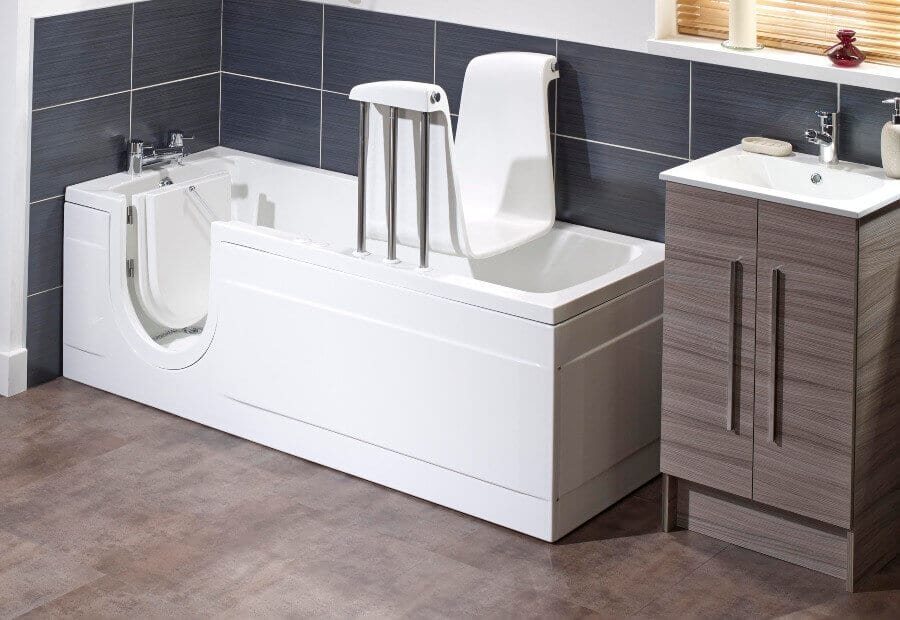
Walk-in tubs are a popular solution for those seeking safer, more comfortable bathing experiences, especially for seniors and individuals with mobility challenges. However, the comfort and safety of these tubs depend heavily on the design and ergonomics of the built-in seat. Understanding the principles of walk-in tub seat ergonomics can help you make informed decisions about which model will best support your body, promote healthy posture, and reduce the risk of discomfort or injury during use.
This guide explores the fundamentals of ergonomic seating in walk-in tubs, including seat height, depth, backrest design, and other critical features. You’ll also find practical tips for evaluating tub seats, advice on maximizing comfort, and insights into how proper ergonomics can contribute to both safety and relaxation.
For those interested in related safety features, understanding walk-in shower grab bar weight ratings can further enhance your bathroom’s accessibility and support.
Why Ergonomic Seating Matters in Walk-In Tubs
The seat is the foundation of a walk-in tub’s comfort and usability. A well-designed seat supports the body, encourages healthy alignment, and reduces pressure on joints and muscles. Poorly designed seats, on the other hand, can lead to discomfort, fatigue, and even increase the risk of slips or falls when entering or exiting the tub.
Key ergonomic principles for walk-in tub seats include:
- Proper seat height to allow easy sitting and standing without excessive bending or strain.
- Optimal seat depth to support the thighs without cutting off circulation or forcing the user to perch on the edge.
- Supportive backrest that encourages upright posture and relieves pressure on the lower back.
- Non-slip surfaces to prevent sliding during transfers or while bathing.
Key Features of Supportive Walk-In Tub Seats
When evaluating walk-in tubs, pay close attention to the seat’s dimensions and design. Here are the most important features to consider for optimal support and posture:
Seat Height and Access
The ideal seat height for most adults ranges from 17 to 19 inches from the tub floor. This height is similar to standard chair seating and allows most users to sit and stand with minimal effort. Seats that are too low can make standing up difficult, while seats that are too high may cause the feet to dangle, leading to discomfort and instability.
Some models offer adjustable seat heights or additional cushions to personalize the fit. Always test the seat height before purchasing, if possible, to ensure it matches your needs.
Seat Depth and Comfort
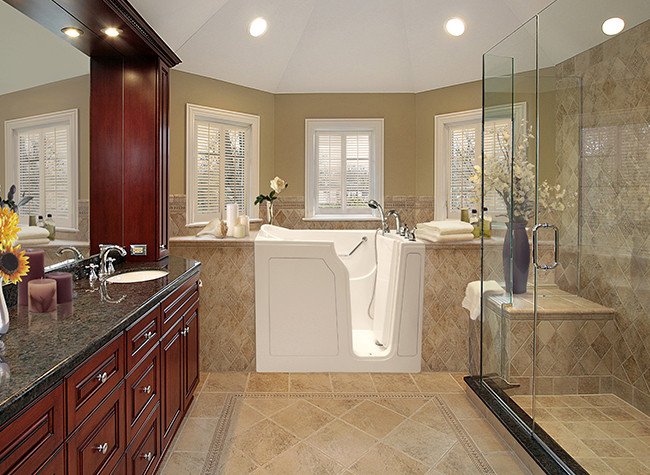
Seat depth is another crucial factor for ergonomic comfort. A depth of 15 to 17 inches typically provides enough support for the thighs without forcing the user to lean forward or perch on the edge. Deeper seats can be more comfortable for taller individuals, but may make it harder for shorter users to sit back fully against the backrest.
Look for seats with gently rounded edges to prevent pressure points behind the knees. Some walk-in tubs also offer contoured seats that cradle the body and enhance stability.
Backrest Design and Postural Support
The backrest should promote an upright, relaxed posture. A slight recline (10–15 degrees) can relieve lower back pressure while still allowing the user to sit up comfortably. Padded or contoured backrests provide additional comfort, especially for longer soaks.
For users with specific postural needs, consider models with adjustable or removable backrests. This flexibility can be especially helpful for those with chronic pain or limited mobility.
Additional Ergonomic Considerations for Walk-In Tubs
Beyond the seat itself, several other features contribute to the overall ergonomic experience of a walk-in tub:
- Armrests: Integrated or optional armrests assist with transfers and provide extra support while seated.
- Grab bars: Strategically placed bars make it easier to enter, exit, and reposition safely. For guidance on placement and standards, see walk-in shower grab bar height standards.
- Textured surfaces: Non-slip seat and floor textures reduce the risk of slipping.
- Heated seats: Some models offer heated seating for added comfort, especially for those with joint pain.
When comparing different tubs, also consider the overall frame and construction. For a closer look at durability and materials, explore the differences in walk-in tub frame construction types.
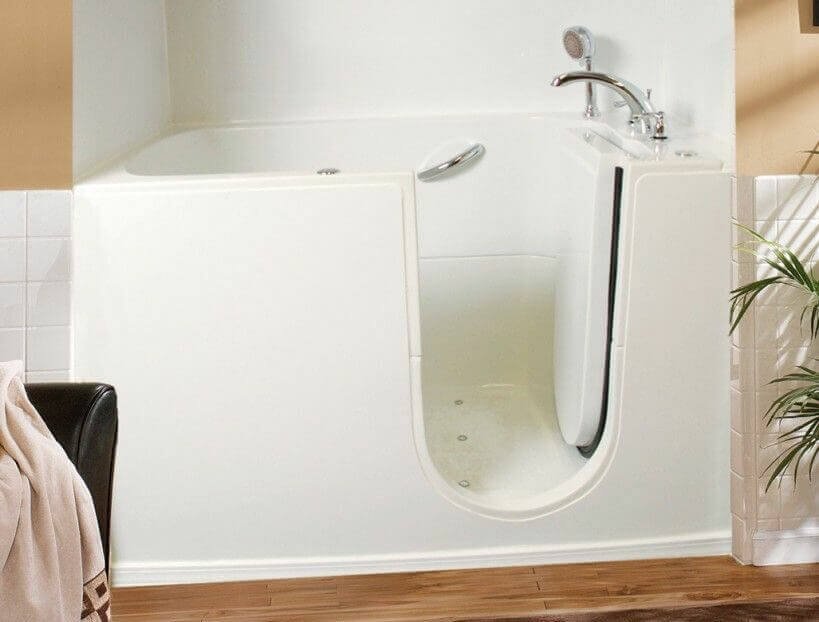
How to Evaluate Walk-In Tub Seats for Ergonomic Fit
Choosing the right walk-in tub involves more than just measuring your bathroom. Here are steps to ensure the seat will provide the support and comfort you need:
- Measure your leg length: Sit in a standard chair and measure from the floor to the back of your knee. This helps determine the ideal seat height for your body.
- Test seat depth: When possible, sit in a showroom model or use a chair with similar dimensions. Your thighs should be fully supported without cutting off circulation behind the knees.
- Check backrest angle: Ensure the backrest allows you to sit upright comfortably, with your back supported and shoulders relaxed.
- Assess transfer ease: Consider how easy it is to move from standing to sitting and vice versa. Armrests and grab bars should be within easy reach.
- Look for adjustability: If you have unique needs, seek out models with adjustable features or removable cushions.
Benefits of Proper Seat Ergonomics in Walk-In Tubs
Investing in a tub with ergonomic seating offers several long-term advantages:
- Reduced joint and muscle strain during transfers and bathing.
- Improved posture, which can help alleviate back pain and fatigue.
- Enhanced safety by minimizing the risk of slips, falls, or awkward movements.
- Greater independence for seniors and those with mobility limitations.
- More enjoyable, relaxing bathing experiences thanks to increased comfort.
For a comprehensive overview of accessible bathing options, learn more about walk-in tubs for seniors and how they can transform daily routines.
Frequently Asked Questions
What is the ideal seat height for a walk-in tub?
The optimal seat height is typically between 17 and 19 inches from the tub floor, allowing most users to sit and stand comfortably without excessive bending. However, individual needs may vary based on height and mobility.
How does seat depth affect comfort in walk-in tubs?
Seat depth determines how much of your thighs are supported. A depth of 15 to 17 inches usually provides good support without causing circulation issues or forcing you to perch on the edge. Taller users may prefer slightly deeper seats.
Are there walk-in tubs with adjustable or removable seats?
Yes, some walk-in tub models offer adjustable seat heights, removable cushions, or even fully removable seats to accommodate a range of user preferences and needs. Always check the product specifications or consult with the manufacturer for customization options.
Conclusion
Choosing a walk-in tub with well-designed, ergonomic seating is essential for maximizing both comfort and safety. By focusing on seat height, depth, backrest support, and additional features like armrests and grab bars, you can ensure a bathing experience that supports healthy posture and reduces physical strain. Take the time to evaluate your options, test different models when possible, and prioritize ergonomic design for lasting benefits in your daily routine.