
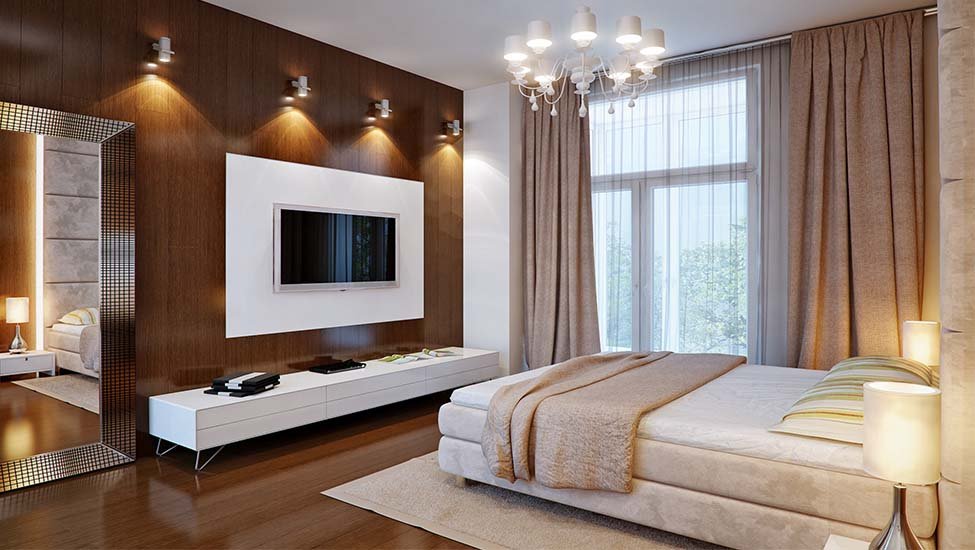
Navigating stairs inside the home can present challenges, especially in low-light conditions. Proper lighting for staircases indoors is essential for both safety and comfort, reducing the risk of trips and falls while also enhancing the overall look of your living space. Whether you have a straight, spiral, or split-level staircase, the right illumination can make a significant difference in everyday usability.
This guide explores the most effective ways to brighten up your indoor steps, from fixture selection to smart placement, and highlights practical solutions for every budget and style. Along the way, you’ll find tips for integrating lighting seamlessly into your home’s design and improving visibility for all ages and abilities.
For those interested in broader home safety topics, you may also want to read about walk-in shower grab bar weight ratings to ensure every area of your home is as secure as possible.
Why Proper Staircase Lighting Matters Indoors
Stairs are a common site for household accidents, especially when visibility is poor. Inadequate lighting can obscure steps, edges, and obstacles, increasing the likelihood of slips and missteps. Good illumination not only makes each tread and riser more visible but also helps people with limited vision or mobility move safely and confidently.
- Reduces fall risk by highlighting each step clearly
- Improves navigation for children, seniors, and guests
- Enhances the architectural appeal of your staircase
- Can be tailored to support night-time movement without disturbing sleep
Types of Indoor Staircase Lighting Solutions
There are several approaches to lighting for staircases indoors, each offering unique benefits and design possibilities. The best choice depends on your staircase layout, décor, and how much light you need.
Recessed Step Lights
Recessed lights are installed directly into the wall or the side of each step, providing focused beams that illuminate the tread without glare. These fixtures are subtle and modern, making them ideal for contemporary homes. They can be spaced evenly along the staircase or placed at intervals for accent lighting.
Wall Sconces and Surface-Mounted Fixtures
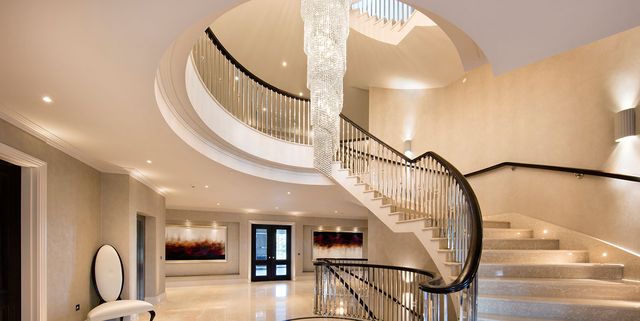
Wall sconces are a classic choice for stairways, offering both ambient and task lighting. Placing sconces at regular intervals along the wall can create a warm, inviting glow while ensuring each step is well-lit. For narrow staircases, opt for slim, low-profile designs to avoid crowding the walkway.
LED Strip and Tape Lighting
Flexible LED strips can be installed under handrails, along the underside of each tread, or even behind the stair nosing. This approach provides continuous, even light that outlines the entire staircase, making it easy to see every step. LED tape lighting is energy-efficient and can be customized to fit any staircase shape.
Motion-Activated Night Lights
For families with children or seniors, motion sensor lights are a practical addition. These small, battery-powered fixtures automatically turn on when movement is detected, providing instant illumination without the need to fumble for a switch. They are especially useful for late-night trips up or down the stairs.
Choosing the Right Fixtures and Placement
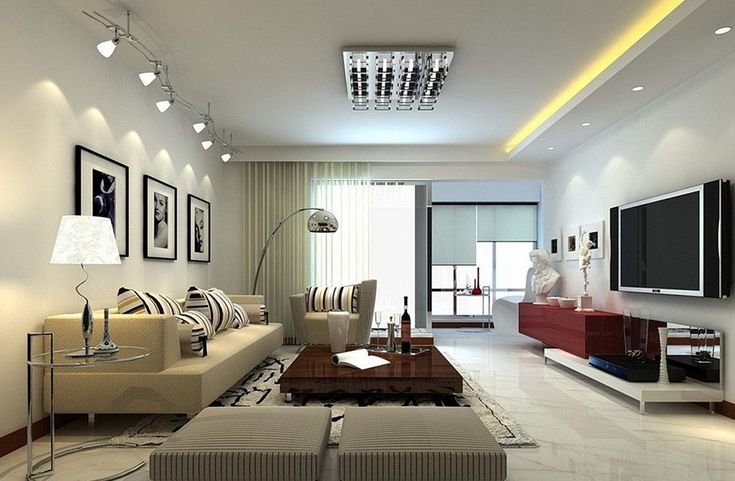
Selecting the best lighting for staircases indoors involves more than picking attractive fixtures. Consider the following factors to ensure your lighting is both functional and stylish:
- Brightness: Aim for at least 100–200 lumens per step for clear visibility without harsh glare.
- Color temperature: Warm white (2700K–3000K) creates a cozy feel, while cool white (3500K–4000K) offers crisp clarity.
- Fixture height: Wall lights should be installed 60–66 inches from the floor for optimal coverage.
- Spacing: Evenly distribute lights to avoid dark spots or overly bright areas.
- Switch location: Place switches at both the top and bottom of the stairs for convenience.
Energy Efficiency and Smart Controls
Modern staircase lighting can be both energy-efficient and easy to control. LED bulbs consume less power and last much longer than traditional incandescent options, making them a smart investment. Consider integrating smart switches, dimmers, or motion sensors to further reduce energy use and add convenience.
For those interested in other home improvement upgrades, learning about walk-in tub frame construction types can provide additional insights into making your home safer and more accessible.
Design Tips for Seamless Integration
Staircase lighting doesn’t have to be purely functional—it can also enhance your home’s style. Here are a few design strategies:
- Match finishes: Coordinate lighting fixture finishes with handrails, balusters, or other hardware for a cohesive look.
- Highlight features: Use accent lighting to draw attention to architectural details like floating steps or decorative risers.
- Layer lighting: Combine ambient, task, and accent lighting for a balanced effect.
- Hide wiring: Conceal cables and power sources for a clean, uncluttered appearance.
Maintenance and Safety Considerations
Keeping your stairway lights in good working order is essential for ongoing safety. Regularly check bulbs and batteries, clean fixtures to remove dust, and ensure all wiring is secure. If you have young children or pets, opt for tamper-resistant designs and avoid exposed cords.
For more information on home safety and accessibility, see our article on are walk-in tubs covered by insurance to explore coverage options for other essential upgrades.
Frequently Asked Questions
How many lights do I need for my indoor staircase?
The number of lights depends on the length and width of your stairs, as well as the brightness of each fixture. As a general rule, place a light every 3–4 steps or use continuous LED strips for even coverage. Make sure there are no dark areas or overly bright spots.
What type of bulb is best for staircase lighting?
LED bulbs are the top choice for indoor staircases. They are energy-efficient, long-lasting, and available in a range of color temperatures. Choose a warm white for a cozy feel or a cooler white for a modern, crisp look.
Can I install motion sensor lights on my stairs?
Yes, motion sensor lights are an excellent option for stairways. They provide automatic illumination when someone approaches, which is especially helpful at night or for households with children and seniors. Many models are easy to install and battery-operated, requiring no hardwiring.