Many older adults face challenges maintaining their homes as they age, especially when living on a limited budget. Essential repairs and modifications can be costly, yet they are often necessary for safety, comfort, and independence. Fortunately, a variety of low income senior home improvement programs exist to help eligible individuals access the support they need. This article explores the main types of assistance available, eligibility requirements, and tips for finding the right resources.
Addressing home safety is crucial for seniors, particularly in areas like lighting, which can prevent falls and accidents. For example, improving lighting for water hazards can make a significant difference in daily living. Understanding the range of support options can empower families and caregivers to make informed decisions.
Understanding Assistance for Home Repairs and Modifications
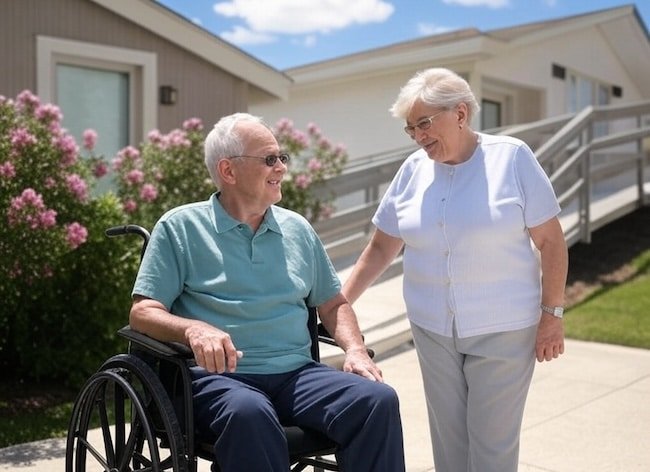
Many older adults need help with home repairs, accessibility upgrades, or maintenance tasks. These needs can include fixing roofs, updating electrical systems, installing ramps, or making bathrooms safer. Home improvement assistance for low income seniors is designed to address these challenges, supporting aging in place and reducing the risk of injury.
Programs vary by location and funding source. Some are run by federal or state governments, while others are offered by local nonprofits or community organizations. The most common types of support include grants, low-interest loans, and volunteer-based repair services.
Federal and State Home Improvement Support for Seniors
Several government-backed initiatives help older adults with limited income maintain safe, accessible homes. Here are some of the most widely used options:
- USDA Single Family Housing Repair Loans & Grants (Section 504): This federal program provides grants to seniors aged 62 and older to remove health and safety hazards, and loans for general repairs. Eligibility is based on income and property location.
- Weatherization Assistance Program (WAP): Available in all states, WAP helps low income households reduce energy costs by improving insulation, sealing leaks, and upgrading heating or cooling systems.
- State and Local Programs: Many states and cities offer their own low income senior home improvement programs. These may include grants for accessibility modifications, emergency repairs, or energy efficiency upgrades.
To find out what is available in your area, contact your local Area Agency on Aging or city housing department. They can provide guidance on eligibility and application processes.
Nonprofit and Community-Based Home Repair Initiatives
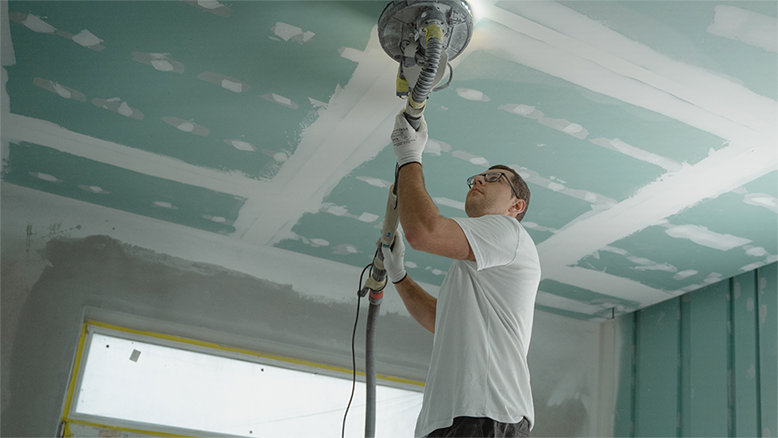
Beyond government programs, many nonprofits and volunteer groups offer valuable support for older adults. These organizations often focus on urgent repairs, accessibility improvements, and safety upgrades.
- Rebuilding Together: This national nonprofit mobilizes volunteers to provide free home repairs and modifications for seniors and people with disabilities.
- Habitat for Humanity: Some local Habitat affiliates offer repair services or accessibility upgrades for older homeowners.
- Local Faith-Based and Community Groups: Many churches and civic organizations organize volunteer repair days or provide small grants for urgent needs.
These programs often prioritize safety-related projects, such as installing grab bars, improving lighting, or repairing steps. If you are interested in learning more about safe lighting solutions, see our guide on lighting for pathways and driveways.
Eligibility and Application Tips for Home Improvement Aid
Each program has its own eligibility requirements, but most focus on income, age, and homeownership status. Here are some general guidelines:
- Income Limits: Most programs require applicants to fall below a certain income threshold, often based on area median income.
- Age Requirements: Many grants and services are specifically for those aged 60 or 62 and older.
- Homeownership: Assistance is typically available only to those who own and live in their home as a primary residence.
- Type of Repairs: Priority is often given to projects that address safety, accessibility, or urgent structural issues.
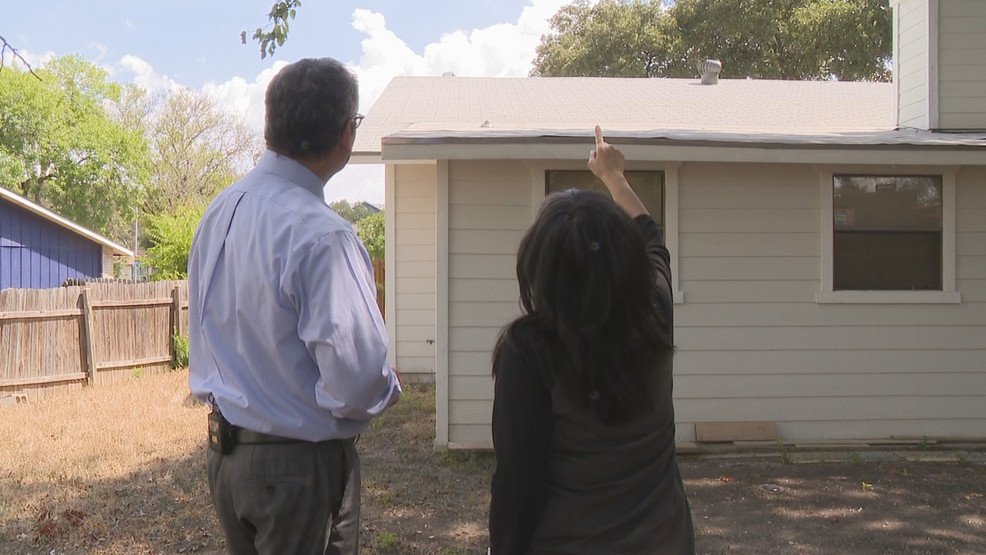
When applying, be prepared to provide proof of income, identification, and documentation of homeownership. It is helpful to gather estimates for the needed work and photographs of the problem areas. For more detailed advice, you can review this comprehensive resource on home repair and modification assistance for seniors.
Common Types of Home Modifications and Repairs
The types of projects covered by low income senior home improvement programs depend on the funding source and local priorities. Common examples include:
- Installing wheelchair ramps or stair lifts
- Adding grab bars and non-slip flooring in bathrooms
- Repairing roofs, windows, or doors to improve safety and energy efficiency
- Updating electrical or plumbing systems to meet current codes
- Improving lighting in key areas, such as hallways, entrances, and outdoor paths
Focusing on lighting upgrades can make a significant difference in preventing falls and accidents. For outdoor areas, consider reading about lighting for backyard navigation to enhance safety after dark.
How to Find Local Home Improvement Resources
Locating the right program can take some research, but there are several effective strategies:
- Contact Your Area Agency on Aging: These agencies maintain up-to-date lists of local and national resources for older adults.
- Check with Local Housing Authorities: City or county housing offices often administer grant and loan programs.
- Reach Out to Nonprofits: Organizations like Rebuilding Together or Habitat for Humanity may have local chapters offering repair services.
- Ask Healthcare Providers: Social workers and occupational therapists can recommend trusted programs for accessibility modifications.
When searching, use terms like “senior home repair assistance,” “aging in place grants,” or “elderly home modification programs” along with your city or state name. For additional safety tips, you might also explore lighting for garden safety to reduce outdoor hazards.
Frequently Asked Questions
What types of repairs are usually covered by senior home improvement programs?
Most programs focus on repairs that improve safety, accessibility, or prevent further damage. This can include fixing roofs, updating electrical systems, installing ramps, adding grab bars, and improving lighting. Some may also cover weatherization or energy efficiency upgrades.
How do I know if I qualify for assistance?
Eligibility is typically based on income, age, and homeownership status. Most programs require you to be at least 60 or 62 years old, own and live in your home, and have income below a set threshold. Check with your local agency or program for specific requirements.
Are there programs for renters or only homeowners?
Most low income senior home improvement programs are designed for homeowners. However, some local agencies and nonprofits may offer limited assistance to renters, especially for accessibility modifications. It’s best to contact your local Area Agency on Aging or housing authority for guidance.
Where can I get more information about home safety improvements?
For practical advice on making your home safer, especially regarding lighting and fall prevention, see resources like lighting for rainy conditions or consult with local aging services.
Conclusion
Navigating the world of low income senior home improvement programs can seem overwhelming, but there are many resources available to help older adults live safely and comfortably at home. By understanding the types of assistance, eligibility rules, and where to look for support, seniors and their families can take important steps toward a safer, more accessible living environment.