
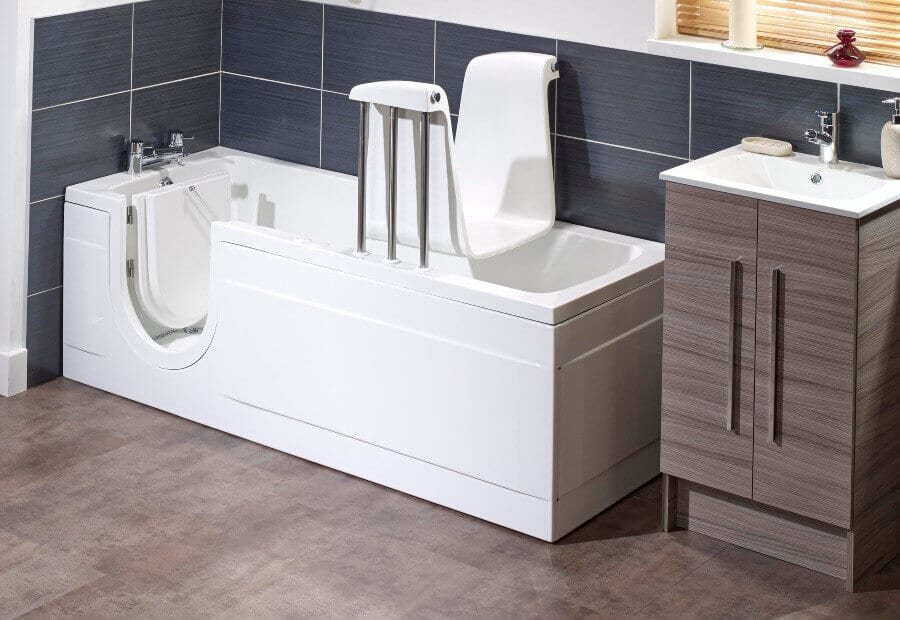
Modern bathroom design is increasingly focused on accessibility, comfort, and wellness. Among the most significant innovations are walk-in showers, which offer a range of therapeutic advantages for individuals of all ages and abilities. These accessible bathing solutions are not just about convenience—they can play a vital role in supporting physical health, recovery, and daily well-being.
Whether you’re seeking relief from chronic pain, aiming to improve mobility, or simply want a safer and more comfortable bathing experience, understanding the therapeutic benefits of walk-in showers can help you make informed decisions for your home and health. For those considering safety upgrades, our safety grab bar placement guide provides practical tips for optimizing bathroom safety alongside your new shower.
How Accessible Showers Support Physical Rehabilitation
One of the most valuable aspects of walk-in showers is their ability to facilitate physical rehabilitation. For people recovering from surgery, injury, or managing chronic conditions such as arthritis, the low-threshold entry and open design reduce the risk of slips and falls. This makes it easier for individuals with limited mobility to maintain independence and personal hygiene without excessive strain.
The gentle, steady flow of water in a walk-in shower can also help soothe sore muscles and joints. Warm water therapy is known to increase blood circulation, relax tense muscles, and provide temporary pain relief. This is especially beneficial for those with musculoskeletal conditions or anyone in need of daily comfort and relaxation.
Promoting Circulation and Muscle Relaxation
The therapeutic effects of a walk-in shower extend beyond accessibility. The ability to adjust water temperature and pressure allows users to create a personalized hydrotherapy experience. Warm showers can dilate blood vessels, promoting better circulation throughout the body. Improved blood flow can aid in healing, reduce inflammation, and deliver nutrients more efficiently to tissues.
For individuals with muscle stiffness or chronic pain, the consistent warmth and gentle massage provided by a shower can help loosen tight areas. This can make it easier to perform gentle stretching or mobility exercises, further supporting rehabilitation and daily comfort.
Reducing Fall Risks and Enhancing Safety
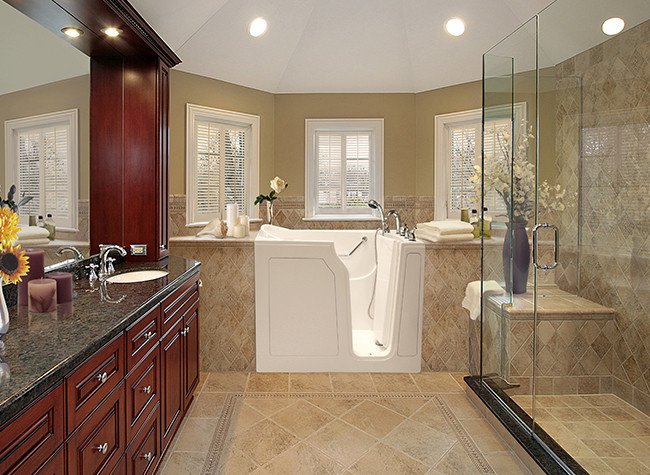
Slips and falls are a leading cause of injury in the bathroom, especially for older adults and those with balance challenges. The design of walk-in showers, with their low or no threshold entry, minimizes tripping hazards. Many models also feature built-in seating, non-slip flooring, and compatibility with grab bars for added security.
For a deeper comparison of accessible bathing options, our article on walk-in shower vs curbless shower explores the differences in safety and style, helping you choose the best fit for your needs.
Hydrotherapy and Its Impact on Well-Being
Hydrotherapy—the use of water for pain relief and treatment—has long been recognized for its health benefits. Walk-in showers make it easy to incorporate hydrotherapy into daily routines. The combination of warm water and gentle pressure can help reduce stress, ease muscle tension, and promote relaxation.
Some advanced walk-in models offer features such as handheld showerheads, body jets, and adjustable spray patterns, allowing users to target specific areas for relief. These features can be particularly helpful for those managing localized pain or recovering from injury.
Supporting Independence and Daily Living
Maintaining independence in personal care is crucial for self-esteem and quality of life, especially for seniors and individuals with disabilities. Walk-in showers empower users to bathe with confidence, reducing the need for assistance and preserving dignity.
For those interested in keeping their accessible bathing fixtures in top condition, our guide on how to clean walk-in tub jets provides simple maintenance tips to ensure a hygienic and enjoyable experience.
Choosing the Right Features for Maximum Health Benefits
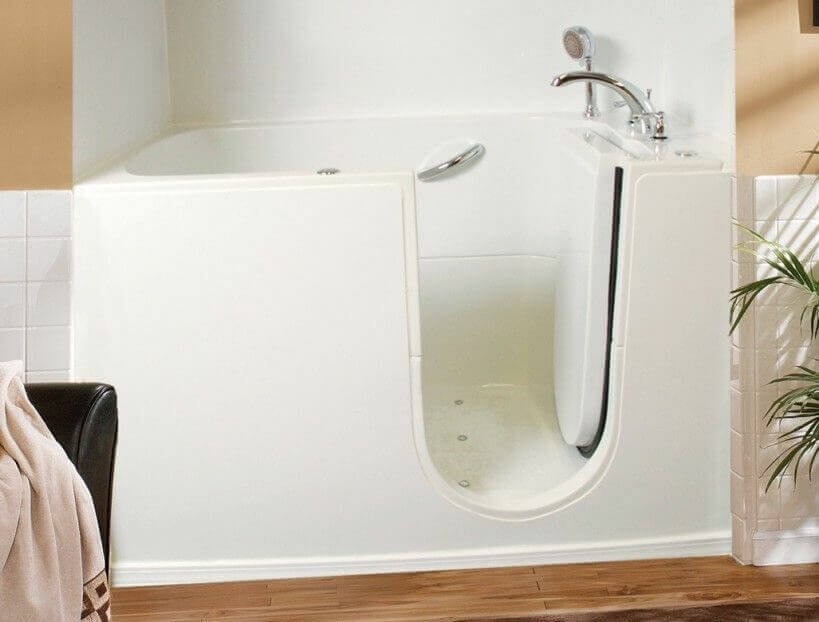
Selecting the best walk-in shower involves considering materials, layout, and additional features that enhance both safety and therapeutic value. Durable, easy-to-clean surfaces help maintain hygiene, while built-in seating and grab bars provide extra support. For guidance on selecting the most suitable materials, see our resource on the best materials for walk-in shower walls.
If you’re exploring options for senior independence, our article on safety features of walk-in bathtubs outlines the top considerations for creating a secure and comfortable bathing environment.
Expert Insights: What to Look for When Upgrading
When upgrading your bathroom for health and accessibility, it’s important to choose products that meet your specific needs. Look for walk-in showers with customizable features, such as adjustable showerheads, anti-slip flooring, and easy-to-reach controls. Consulting with a professional installer can help ensure the setup is tailored to your mobility and safety requirements.
For seniors or those with mobility challenges, walk-in tubs for seniors offer additional therapeutic options, including deep soaking and hydro-massage, further supporting physical health and well-being.
Frequently Asked Questions
What are the main therapeutic benefits of walk-in showers?
Accessible showers provide a safer and more comfortable bathing experience, promote circulation, ease muscle and joint pain, and support independence in daily living. Their design reduces fall risks and allows for easy integration of hydrotherapy into everyday routines.
Are walk-in showers suitable for people with limited mobility?
Yes, walk-in showers are specifically designed to accommodate individuals with mobility challenges. Features like low-threshold entry, built-in seating, and compatibility with grab bars make them ideal for seniors and those recovering from injury or surgery.
How can I maintain my walk-in shower for long-term health benefits?
Regular cleaning and maintenance are essential for hygiene and safety. Use non-abrasive cleaners, keep drains clear, and inspect grab bars and seating for stability. For detailed maintenance tips, refer to our guide on how to clean walk-in tub jets.
Can walk-in showers be customized for therapeutic needs?
Many walk-in showers offer customizable features such as adjustable water pressure, temperature controls, body jets, and handheld showerheads. These options allow users to tailor their bathing experience for maximum comfort and therapeutic benefit.
Conclusion
Incorporating a walk-in shower into your home is more than a design choice—it’s an investment in health, safety, and quality of life. With their accessible features and therapeutic advantages, these showers support physical rehabilitation, promote relaxation, and empower individuals to maintain independence. By choosing the right features and maintaining your shower properly, you can enjoy the many health benefits these modern bathing solutions provide.