
As people age, maintaining independence and safety at home becomes increasingly important. Many older adults face challenges with mobility, accessibility, and daily living tasks due to physical changes or health conditions. For families and caregivers, understanding the options for home modification assistance for seniors can make a significant difference in quality of life and peace of mind.
Adapting a living space to meet changing needs often involves more than simple repairs. It may require specialized equipment, professional assessments, and financial planning. This article explores the most effective ways to access support, funding, and resources for making homes safer and more comfortable for aging loved ones.
When considering upgrades like grab bars, walk-in tubs, or improved lighting, it’s helpful to review detailed information about walk-in shower grab bar weight ratings to ensure installations are both safe and effective.
Understanding the Need for Home Adaptations
Many older adults wish to remain in their homes as long as possible, a concept known as “aging in place.” However, traditional home layouts often present hazards such as slippery floors, narrow doorways, or steep stairs. Home modification assistance for seniors addresses these issues by providing solutions that reduce fall risks and improve accessibility.
- Mobility aids like ramps and stairlifts help those with limited movement navigate their homes safely.
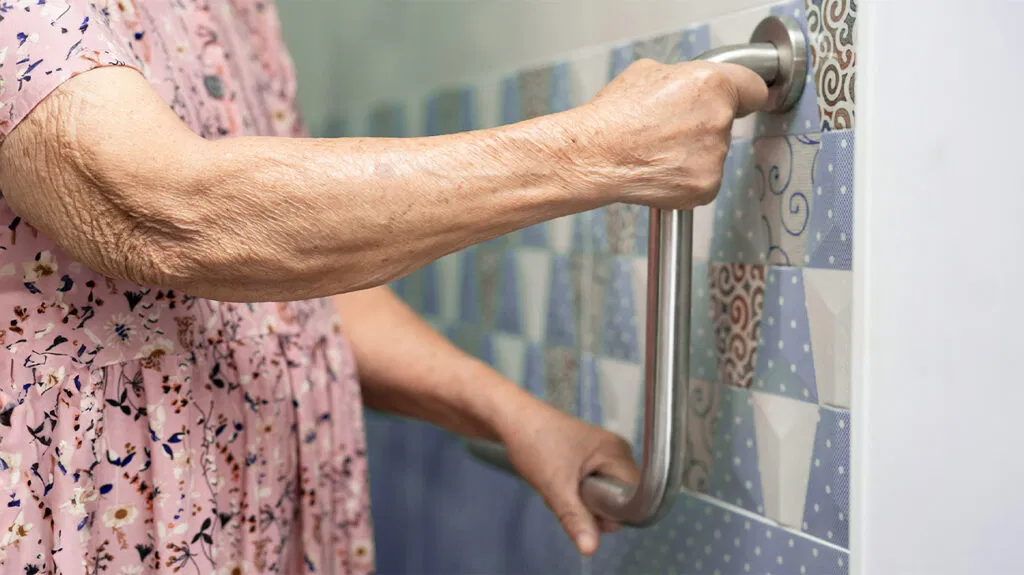
- Bathroom modifications such as walk-in tubs, non-slip flooring, and sturdy grab bars can prevent accidents.
- Improved lighting and lever-style door handles make daily tasks easier for those with vision or grip challenges.
Types of Modifications and Their Benefits
There is a wide range of changes that can be made to support seniors at home. The right modifications depend on individual needs, home layout, and budget. Some of the most common improvements include:
- Entryway ramps for wheelchair or walker access
- Widened doorways to accommodate mobility devices
- Accessible bathrooms with walk-in tubs, roll-in showers, and raised toilets
- Kitchen adjustments such as lowered countertops and easy-to-reach storage
- Handrails and grab bars in hallways and staircases
- Smart home technology for emergency alerts and remote monitoring
For those considering a new walk-in tub, learning about walk-in tub frame construction types can help ensure the chosen model is both durable and suitable for the home’s infrastructure.
How to Access Home Modification Support
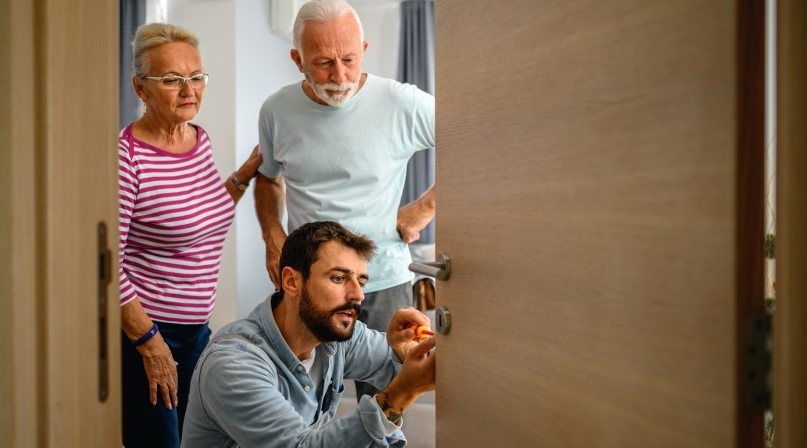
Finding and funding home updates can seem overwhelming, but several resources are available to help. The process typically begins with a home assessment, often conducted by an occupational therapist or aging-in-place specialist. This evaluation identifies areas of risk and recommends specific improvements.
After the assessment, families can explore local, state, and federal programs that offer financial assistance or low-cost services. Some nonprofits and community organizations also provide grants or volunteer labor for eligible seniors.
Government and Nonprofit Programs
Many government agencies and nonprofit groups offer home modification assistance for seniors through grants, loans, or subsidized services. Examples include:
- Medicaid waivers in some states, which may cover accessibility improvements
- Area Agencies on Aging that connect seniors with local resources
- Veterans Affairs (VA) grants for eligible veterans
- Nonprofit organizations such as Rebuilding Together and Habitat for Humanity
For a comprehensive overview of available programs, the Griswold Home Care guide to home repair assistance for seniors provides up-to-date details on eligibility and application processes.
Private Funding and Insurance Considerations
While some insurance plans may help with certain modifications, coverage varies widely. Medicare typically does not pay for home updates, but Medicaid and long-term care insurance might in specific cases. Home equity loans, reverse mortgages, or personal savings are also common ways to finance larger projects.
It’s important to review policy details and consult with a financial advisor before making decisions. For those interested in coverage specifics, the article Are walk-in tubs covered by insurance provides helpful insights into what to expect from Medicare and private insurers.
Choosing the Right Modifications and Contractors
Selecting the best improvements means balancing safety, comfort, and budget. Start by prioritizing changes that address the most pressing risks, such as bathroom safety or fall prevention. Consult with professionals who have experience in senior home adaptations and check references before hiring contractors.
- Request written estimates and compare prices from multiple providers
- Verify licensing, insurance, and relevant certifications
- Ask about warranties and ongoing support for installed equipment
For those considering new fixtures, understanding walk-in tub warranty terms can help protect your investment and avoid unexpected costs.
Maintaining Safety and Comfort Over Time
Needs can change as people age or as health conditions evolve. It’s wise to schedule regular reviews of the home environment and update modifications as necessary. Simple steps like checking grab bar stability, replacing worn flooring, or upgrading lighting can prevent accidents and extend the usefulness of previous improvements.
For those interested in maximizing bathroom safety, learning about walk-in tub faucet types and flow rates can help ensure that new installations are both practical and convenient.
Frequently Asked Questions
What types of home modifications are most important for seniors?
The most critical changes usually focus on preventing falls and improving accessibility. This includes installing grab bars, ramps, non-slip flooring, and accessible bathroom fixtures. Each home and individual may require different solutions based on specific needs and mobility challenges.
How can I find financial help for home modifications?
Assistance is available through government programs like Medicaid waivers, local Area Agencies on Aging, and nonprofit organizations. Some veterans may qualify for VA grants. Private funding options include home equity loans and long-term care insurance. Researching available resources and consulting with professionals can help identify the best options.
Are home modifications covered by insurance?
Coverage depends on the type of insurance. Medicare generally does not pay for home modifications, but Medicaid and some long-term care policies may provide assistance. It’s important to review your policy details and speak with your insurance provider to understand what is and isn’t covered.
Conclusion
Making a home safer and more accessible allows older adults to maintain independence and dignity. With the right information and support, families can navigate the process of securing home modification assistance for seniors and create a living environment that adapts to changing needs. Taking proactive steps now can help prevent accidents, reduce stress, and support a higher quality of life for years to come.