
For many older adults, maintaining independence and safety at home is a top priority. The bathroom, however, can present significant challenges as mobility changes with age. Slippery surfaces, high tub walls, and limited support can make bathing risky. This has led many to consider specialized bathing solutions, such as walk-in tubs, which promise improved safety and comfort. But are walk-in tubs worth it for elderly individuals? This article explores the real benefits, drawbacks, costs, and alternatives to help you make an informed decision.
If you’re researching accessible bathing options, you may also find value in learning about the what are walk-in tubs and their features, as well as safety features of walk-in bathtubs that support senior independence.
Understanding the Value of Walk-In Tubs for Seniors
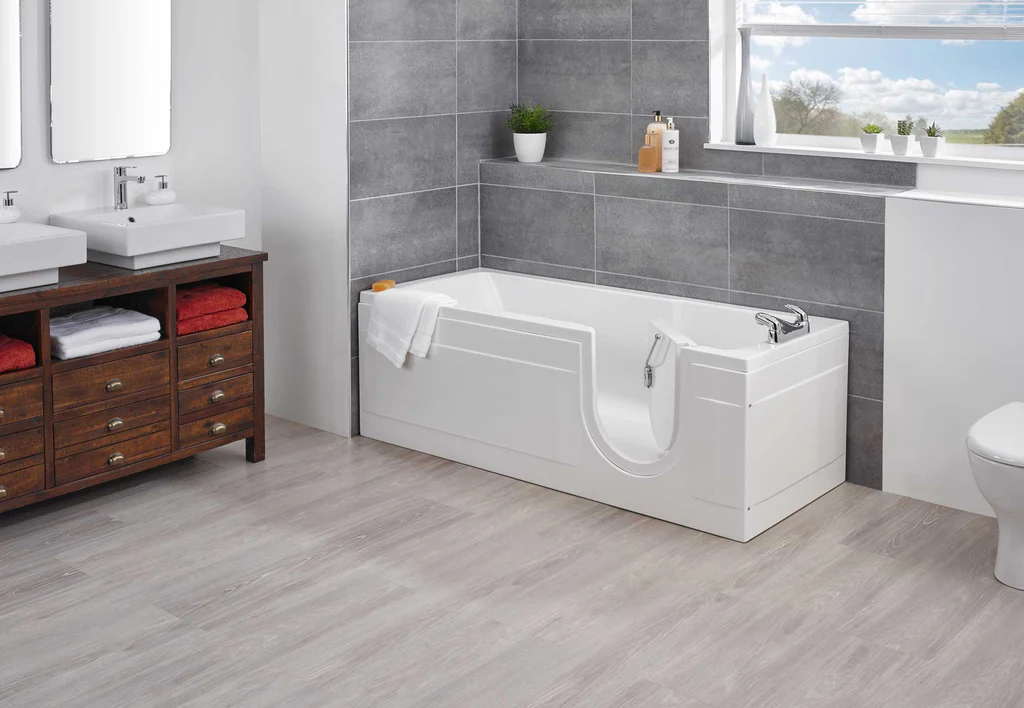
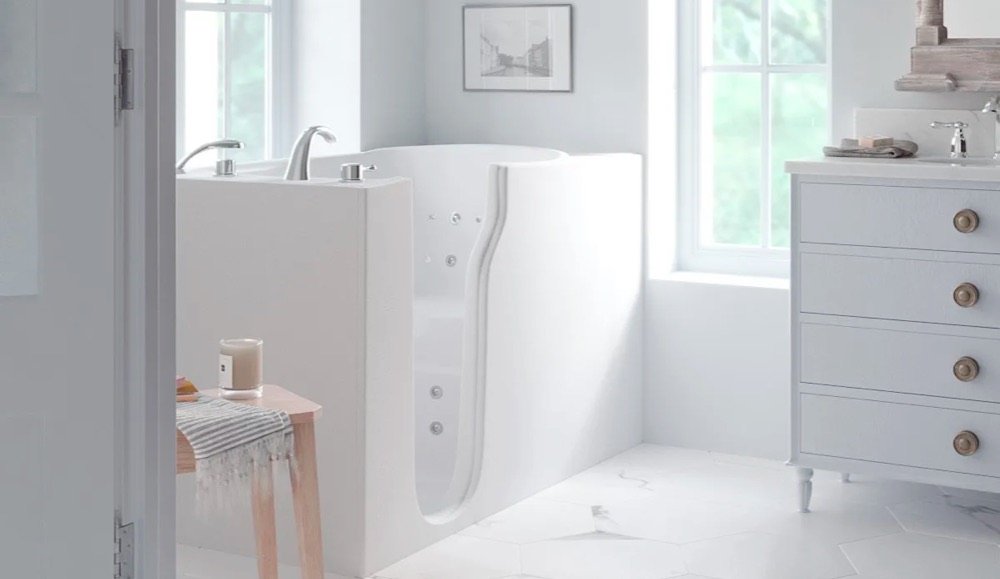
Walk-in tubs are designed with a low threshold door, built-in seating, and safety features that make bathing easier and less hazardous for people with limited mobility. For elderly homeowners, these tubs can offer a sense of security and autonomy that traditional bathtubs often lack. But the question remains: are walk-in tubs worth it for elderly individuals when considering the investment and installation?
The answer depends on several factors, including health needs, lifestyle, budget, and the specific features offered by different tub models. Let’s examine the main advantages and potential drawbacks to help you weigh your options.
Key Benefits: Safety, Comfort, and Independence
The primary reason many older adults consider a walk-in tub is to reduce the risk of slips and falls. According to the CDC, bathroom falls are a leading cause of injury among seniors. Walk-in tubs address these risks with:
- Low entry threshold: No need to step over a high tub wall.
- Non-slip flooring: Reduces the chance of slipping on wet surfaces.
- Built-in grab bars and seating: Provides stability and comfort while bathing.
- Easy-to-reach controls: Simplifies operation for those with limited dexterity.
Many models also include therapeutic features, such as hydrotherapy jets and heated surfaces, which can help relieve joint pain and improve circulation. For seniors with arthritis, muscle stiffness, or balance issues, these features can make a significant difference in daily comfort and well-being.
Potential Drawbacks and Considerations
While walk-in tubs offer clear safety advantages, there are some important considerations before making a purchase:
- Cost: Walk-in tubs can range from $2,000 to over $10,000, depending on features and installation complexity. This is a significant investment compared to standard bathtubs or showers.
- Installation: Retrofitting a bathroom may require plumbing or structural changes, which can add to the total cost and time required.
- Filling and Draining Time: Users must sit inside the tub while it fills and drains, which can be uncomfortable if the process is slow or if the bathroom is cold.
- Space Requirements: Some bathrooms may not have enough space to accommodate a walk-in tub without major remodeling.
- Resale Value: While some buyers see walk-in tubs as a plus, others may see them as a specialty item that limits the appeal of the home.
It’s also important to note that most insurance plans, including Medicare, do not cover the cost of walk-in tubs unless deemed medically necessary. This means most homeowners will need to pay out of pocket.
Comparing Walk-In Tubs and Other Accessible Bathing Solutions
When considering are walk-in tubs worth it for elderly people, it’s helpful to compare them to other accessible bathing options. Walk-in showers, for example, are another popular choice for aging in place. They offer a barrier-free entry and can be equipped with grab bars and seating, but do not provide the deep soaking experience of a tub.
For a detailed comparison of walk-in baths and showers for older adults, see this guide to walk-in baths vs. walk-in showers for aging in place.
If you’re interested in other ways to improve home safety and comfort, you might also explore simple home upgrades for elderly comfort that can be implemented alongside or instead of a walk-in tub.

How to Decide if a Walk-In Tub Is Right for You
Deciding whether to invest in a walk-in tub involves balancing personal needs, budget, and home layout. Here are some steps to help guide your decision:
- Assess Mobility and Health Needs: Consider current and future mobility challenges. If you or a loved one have difficulty stepping over a tub wall or standing for long periods, a walk-in tub may offer significant benefits.
- Evaluate Bathroom Space: Measure your bathroom to ensure a walk-in tub will fit without extensive remodeling.
- Compare Features and Prices: Research different models and features. Look for essential safety features and consider whether extras like hydrotherapy are necessary.
- Consider Alternatives: Explore walk-in showers or other modifications, especially if you prefer showers or have limited space.
- Plan for Installation and Maintenance: Factor in installation time, potential plumbing upgrades, and ongoing maintenance.
For more information on the benefits of walk-in showers for seniors, you can compare how showers stack up against tubs for accessibility and ease of use.
Frequently Asked Questions
Do walk-in tubs really prevent falls for seniors?
Walk-in tubs are specifically designed to reduce the risk of slips and falls, thanks to their low entry threshold, non-slip surfaces, and built-in support features. While no product can guarantee complete safety, these tubs significantly lower the risk compared to traditional bathtubs.
Are walk-in tubs covered by Medicare or insurance?
In most cases, Medicare and standard health insurance plans do not cover walk-in tubs unless they are deemed medically necessary and prescribed by a doctor. Even then, coverage is rare. Homeowners should expect to pay for the tub and installation out of pocket.
How long does it take to fill and drain a walk-in tub?
Filling and draining times vary by model and home plumbing. On average, it takes 6–10 minutes to fill and 5–8 minutes to drain. Some tubs offer fast-drain technology to speed up the process, but users should be prepared to sit inside the tub during both filling and draining.
What alternatives exist for seniors who don’t want a walk-in tub?
Alternatives include walk-in showers, tub transfer benches, and other bathroom modifications like grab bars and non-slip mats. Walk-in showers, in particular, are popular for their barrier-free entry and ease of use.
Conclusion: Making the Best Choice for Your Needs
For many older adults, walk-in tubs offer a blend of safety, comfort, and independence that can make daily bathing less stressful and more enjoyable. However, the decision to invest in one should be based on a careful evaluation of personal needs, home layout, and budget. By considering the pros and cons, comparing alternatives, and researching features, you can determine whether a walk-in tub is the right solution for your home.
For additional resources, you may also want to explore utility bill assistance programs for seniors to help manage household expenses as you plan for home upgrades.