
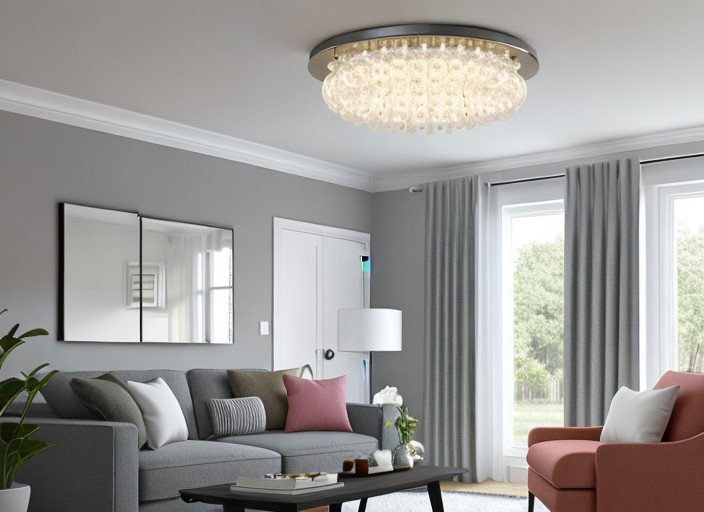
Effective lighting for shadow reduction is essential for creating comfortable, functional, and visually appealing spaces. Whether you’re designing a living room, workspace, or bathroom, minimizing harsh shadows and dark areas can make a significant difference in both aesthetics and usability. This guide explores proven strategies to achieve even illumination, highlights common mistakes, and recommends practical solutions for a brighter, more inviting environment.
Proper lighting doesn’t just enhance appearance—it also improves safety and can even impact mood and productivity. By understanding the causes of unwanted shadows and learning how to layer light sources, you can transform any room into a well-lit haven. If you’re interested in related home improvement topics, you might also find value in exploring walk-in tub foot massage jet benefits for circulation and comfort.
Understanding the Causes of Shadows and Dark Spots
Before diving into solutions, it’s important to recognize why shadows and dark areas occur. Shadows form when an object blocks light, while dark spots are typically the result of uneven light distribution or insufficient brightness. Common causes include:
- Single overhead fixtures that cast downward shadows
- Furniture or décor obstructing light paths
- Low-wattage bulbs or outdated fixtures
- Poor placement of lamps and task lights
Knowing these factors helps you address them directly with targeted lighting strategies.
Layering Light for Even Illumination
One of the most effective ways to achieve lighting for shadow reduction is by layering different types of light sources. This approach balances brightness and minimizes harsh contrasts. The three main layers are:
- Ambient lighting: General illumination that fills the room, such as ceiling fixtures or recessed lights.
- Task lighting: Focused light for specific activities, like reading lamps or under-cabinet lights.
- Accent lighting: Decorative or directional lights that highlight artwork, plants, or architectural features.
Combining these layers ensures that light reaches every corner, reducing the risk of dark spots and harsh shadows.
Choosing the Right Fixtures and Bulbs
The type of fixture and bulb you select plays a crucial role in minimizing shadows. Consider these tips:
- Opt for diffused lighting: Fixtures with frosted covers or shades help scatter light, softening shadows and creating a more uniform glow.
- Use multiple light sources: Instead of relying on a single ceiling fixture, combine wall sconces, floor lamps, and table lamps to fill in dark areas.
- Select appropriate bulb brightness: Choose bulbs with sufficient lumens for the size of your room. For most living spaces, 800–1,600 lumens per fixture is a good starting point.
- Consider color temperature: Bulbs in the 2700K–3500K range provide a warm, inviting feel, while cooler tones (4000K–5000K) are ideal for workspaces where clarity is important.
For more detailed guidance on fixture selection and placement, check out this comprehensive lighting basics guide.
Strategic Placement for Shadow-Free Spaces
Where you position your lights is just as important as the type you choose. Here are some placement strategies for optimal lighting for shadow reduction:
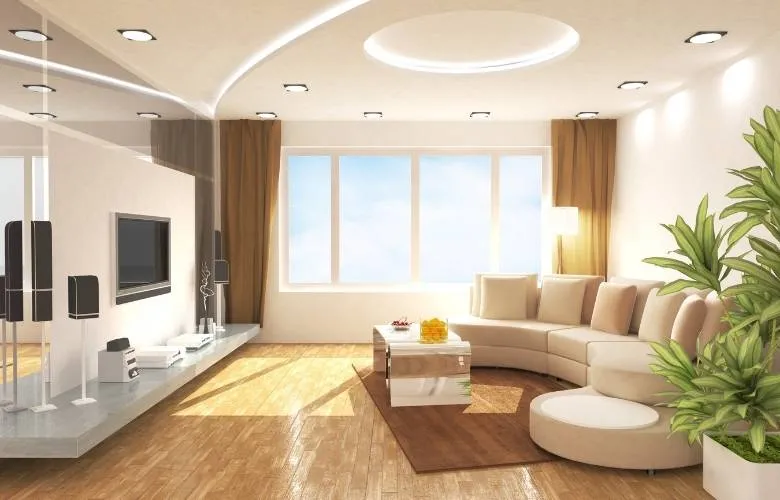
- Stagger ceiling lights: Install recessed or flush-mount fixtures in a grid pattern to distribute light evenly across the ceiling and avoid dark patches.
- Use wall-mounted fixtures: Sconces placed at eye level can fill in shadows cast by overhead lights and add visual interest.
- Illuminate corners: Floor lamps or uplights in corners help eliminate dark spots and make rooms feel larger.
- Layer task lighting: Place desk lamps, vanity lights, or under-cabinet fixtures where focused illumination is needed, ensuring they don’t create harsh shadows on work surfaces.
In bathrooms and kitchens, pay special attention to areas where tasks are performed, such as mirrors and countertops, to ensure consistent brightness.
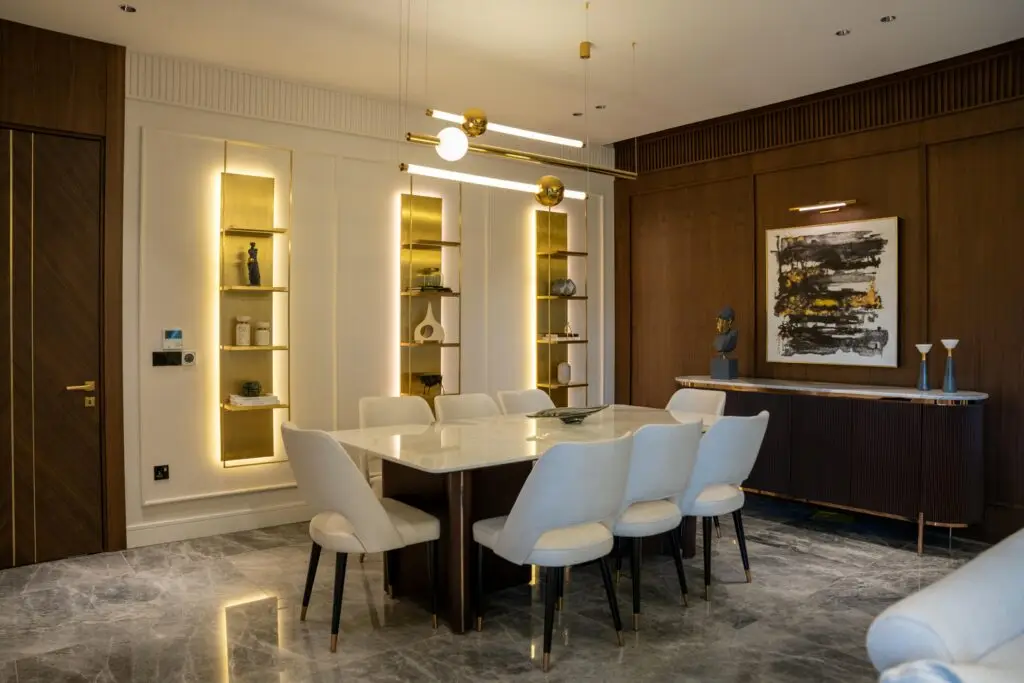
Common Mistakes to Avoid When Reducing Shadows
Even with the best intentions, certain pitfalls can undermine your efforts to achieve balanced lighting. Avoid these common mistakes:
- Over-reliance on a single light source: This often leads to uneven lighting and pronounced shadows.
- Ignoring furniture placement: Large pieces can block light, so arrange them to allow illumination to flow freely.
- Using mismatched bulbs: Different color temperatures or brightness levels can create jarring contrasts and unwanted dark areas.
- Neglecting dimmers: Adjustable lighting lets you fine-tune brightness and adapt to different needs throughout the day.
By steering clear of these errors, you’ll be better equipped to create a well-lit, shadow-free environment.
Additional Tips for a Brighter, More Inviting Space
- Maximize natural light: Keep windows clean and use sheer curtains to allow daylight to filter in.
- Reflect light with surfaces: Mirrors and glossy finishes can help bounce light around the room, reducing dark spots.
- Choose light-colored décor: Pale walls and furnishings reflect more light, making spaces feel brighter.
- Regular maintenance: Dust fixtures and replace bulbs promptly to maintain optimal brightness.
For easy cleaning and maintenance tips, consider reading about the benefits of microfiber towels for walk-in showers, which can also be applied to lighting fixtures and glass surfaces.
FAQ: Lighting for Shadow Reduction
How can I minimize shadows in a room with only one ceiling light?
Supplement the overhead fixture with floor lamps, table lamps, or wall sconces placed strategically around the room. Using diffused bulbs and reflective surfaces can also help distribute light more evenly and reduce harsh shadows.
What type of bulbs are best for reducing dark spots?
LED bulbs with a wide beam angle and frosted covers are excellent for minimizing dark areas. Choose bulbs with adequate lumens for your space and a color temperature that suits your needs—warm white for living spaces, cool white for work areas.
Are recessed lights effective for shadow reduction?
Yes, when installed in a grid pattern, recessed lights provide even coverage and help eliminate both shadows and dark spots. Pair them with other light sources for the best results, and consider using dimmers for greater control over brightness.
Can lighting design impact safety in the home?
Absolutely. Proper illumination reduces the risk of trips and falls, especially in high-traffic areas like hallways, bathrooms, and kitchens. Motion sensor night lights are a practical addition for nighttime safety.
For further reading on home safety and lighting, you may also be interested in learning about walk-in tub suction safety features and how to check walk-in tub electrical grounding for peace of mind in the bathroom.
By following these practical tips and understanding the principles behind lighting for shadow reduction, you can create a space that feels open, safe, and welcoming—free from distracting shadows and gloomy corners.