
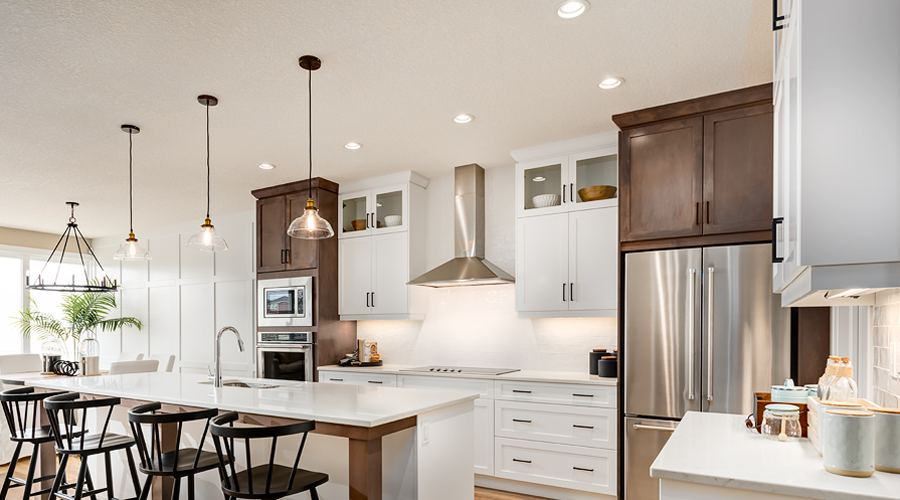
Effective lighting for identifying hazards is a crucial element in maintaining safety at home, in workplaces, and in public spaces. The right illumination helps people detect obstacles, spills, uneven surfaces, and other dangers before accidents occur. Whether you are updating your kitchen, improving a hallway, or enhancing a commercial facility, understanding how to use lighting strategically can make a significant difference in reducing risks.
This article explores the key principles behind selecting and positioning lights to maximize visibility and minimize hazards. We’ll cover the main types of lighting, best practices for various environments, and practical tips for ensuring that every area is well lit for safety. For those interested in related safety upgrades, learning about walk-in shower grab bar weight ratings can further enhance bathroom safety.
Why Proper Illumination Matters for Hazard Detection
Insufficient or poorly placed lighting can obscure tripping hazards, wet floors, or sharp edges, increasing the risk of injuries. Good lighting design ensures that all areas—especially those with frequent foot traffic—are bright enough to reveal potential dangers. This is particularly important for older adults, people with vision impairments, and anyone navigating unfamiliar spaces.
Studies show that slip-and-fall accidents are more likely to happen in dimly lit environments. By prioritizing lighting for identifying hazards, you can create safer pathways, highlight changes in elevation, and make it easier to spot spills or dropped objects.
Types of Lighting That Enhance Safety
Different lighting solutions serve distinct purposes when it comes to hazard awareness. Here are the main categories to consider:
- Ambient Lighting: This is the general illumination in a room or area. It provides overall visibility and reduces harsh shadows where hazards can hide.
- Task Lighting: Focused light sources, such as under-cabinet lights or desk lamps, help illuminate work areas, countertops, and other spots where precision is needed.
- Accent Lighting: Used to highlight architectural features or specific zones, accent lights can also draw attention to steps, ramps, or transitions between surfaces.
- Motion-Activated Lighting: These lights turn on automatically when movement is detected, making them ideal for hallways, staircases, and entryways where hazards might otherwise go unnoticed.

Best Practices for Lighting in Hazard-Prone Areas
To maximize safety, it’s important to tailor your lighting strategy to the specific needs of each space. Here are some recommendations for common areas where hazards are likely to occur:
Hallways and Staircases
- Install bright, even lighting along the entire length of hallways and on every step of staircases.
- Use wall sconces or LED strip lights to eliminate shadows and highlight changes in elevation.
- Consider motion-activated night lights for added convenience and safety during nighttime hours.
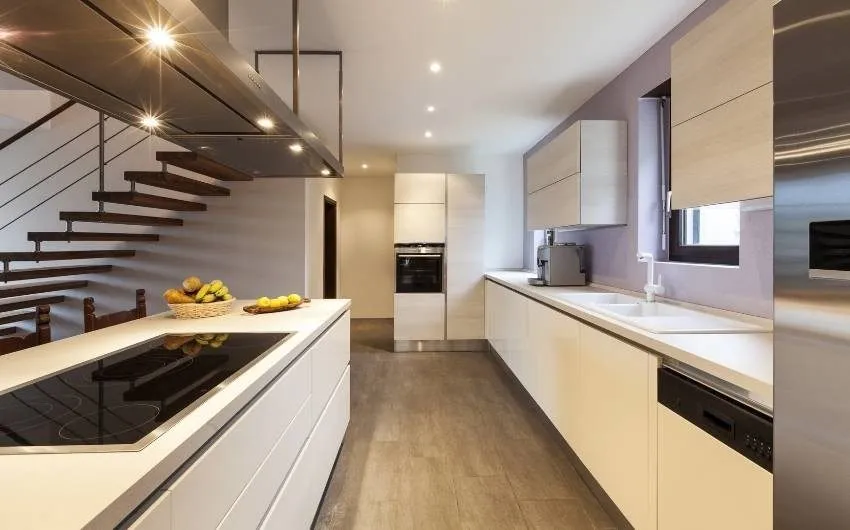
Kitchens and Workspaces
- Place task lighting under cabinets to illuminate countertops and cooking areas.
- Ensure overhead lights are bright enough to reveal spills, dropped utensils, or sharp objects.
- Select bulbs with a high color rendering index (CRI) to make hazards stand out more clearly.
Bathrooms and Entryways
- Use waterproof, glare-free fixtures in bathrooms to prevent slips and falls.
- Place lights near entryways to illuminate thresholds and doorsteps, making it easier to spot obstacles.
- Supplement general lighting with motion-sensor night lights for added security during low-light conditions.
For those considering additional safety features, exploring walk-in tub frame construction types can help you choose the right support for your bathroom.
Choosing the Right Bulbs and Fixtures for Hazard Awareness
Selecting appropriate bulbs and fixtures is essential for effective lighting for identifying hazards. Here are some factors to keep in mind:
- Brightness: Use bulbs with adequate lumens for the size and function of each space. Too little light can hide hazards, while too much can cause glare.
- Color Temperature: Cool white (4000–5000K) is generally best for task and safety lighting, as it mimics daylight and enhances visibility.
- Energy Efficiency: LED bulbs last longer and use less energy than traditional incandescent or fluorescent options, making them ideal for areas that require continuous illumination.
- Smart Features: Consider fixtures with dimming capabilities, timers, or motion sensors to adapt lighting levels based on time of day or occupancy.
Maintaining and Upgrading Lighting Systems
Even the best lighting setup requires regular maintenance to ensure ongoing safety. Dust and debris can reduce brightness, while burnt-out bulbs can create unexpected dark spots. Here’s how to keep your lighting system effective:
- Clean fixtures and bulbs regularly to maintain optimal light output.
- Replace any broken or flickering bulbs immediately.
- Periodically review your lighting layout, especially after renovations or changes in how a space is used.
- Upgrade to newer, more efficient fixtures as technology advances.
If you’re interested in understanding more about home safety and accessibility, you might also find value in reading about walk-in tub warranty terms to ensure your investments are protected.
Frequently Asked Questions
What is the best type of lighting for identifying hazards in hallways?
The most effective approach is to use bright, evenly distributed ambient lighting, supplemented by motion-activated night lights. LED strip lights along the floor or wall can further highlight changes in elevation and reveal obstacles.
How can I improve hazard visibility in the kitchen?
Install under-cabinet task lighting to illuminate countertops and work areas. Choose bulbs with a high color rendering index (CRI) and cool white color temperature to make spills, sharp objects, and other hazards stand out.
Are motion sensor lights effective for safety?
Yes, motion-activated lights are highly effective in areas like staircases, entryways, and bathrooms. They ensure that spaces are always lit when needed, reducing the risk of accidents during low-light conditions.
How often should I check and maintain my lighting system?
It’s a good idea to inspect your lighting setup every few months. Clean fixtures, replace burnt-out bulbs promptly, and adjust your layout if you notice any dark spots or changes in how the space is used.
For more tips on home safety and accessibility, consider exploring topics like insurance coverage for walk-in tubs to make informed decisions about your upgrades.