
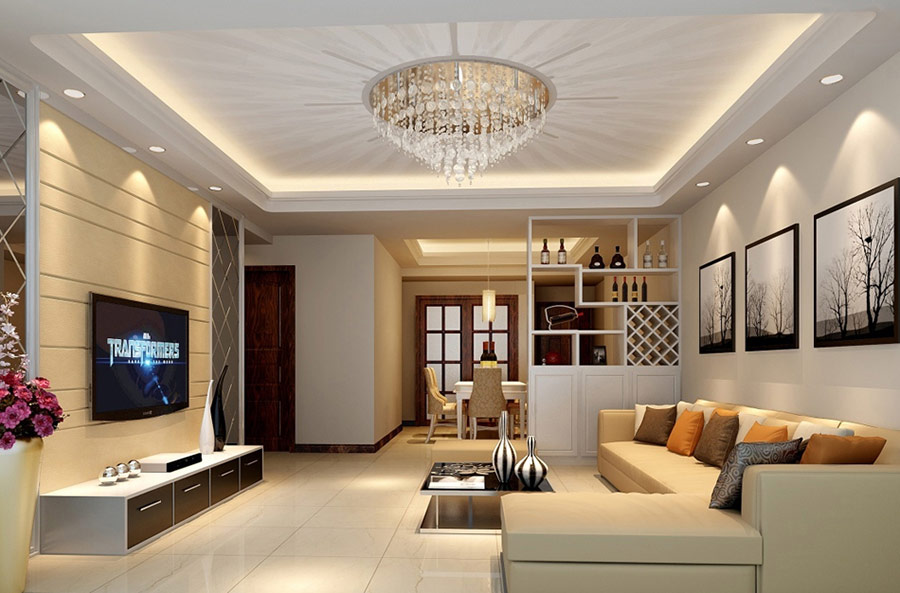
Creating a home that feels both welcoming and secure starts with thoughtful illumination. Lighting for ambient safety is more than just a design choice—it’s a practical way to reduce hazards, improve visibility, and enhance the comfort of every room. Whether you’re looking to prevent nighttime accidents, support aging in place, or simply make your living spaces cozier, the right lighting strategies can make a significant difference.
This article explores how to use ambient light sources to boost safety and comfort throughout your home. From selecting the best fixtures to understanding placement and control, you’ll find actionable tips to make your environment both beautiful and functional. For those interested in related safety upgrades, understanding walk-in shower grab bar weight ratings can also contribute to a safer home.
Understanding the Role of Ambient Lighting in Home Safety
General illumination, often called ambient lighting, provides the foundational layer of light in any space. Its main purpose is to ensure that rooms are evenly lit, minimizing shadows and dark corners where accidents can happen. When designed with safety in mind, ambient lighting helps everyone—especially children, older adults, and those with limited mobility—navigate the home with confidence.
Unlike task or accent lighting, which focus on specific areas or features, ambient sources create a balanced glow that supports everyday activities. This is especially important in entryways, hallways, staircases, and bathrooms, where poor visibility can lead to slips or falls.
Key Benefits of Prioritizing Lighting for Ambient Safety
- Reduces Trip Hazards: Even, glare-free light helps reveal obstacles and changes in floor level.
- Improves Nighttime Navigation: Soft, indirect illumination makes it easier to move around after dark without disturbing sleep cycles.
- Supports Independence: For older adults or those with vision challenges, proper lighting promotes confidence and autonomy.
- Enhances Comfort: A well-lit home feels more inviting and less stressful, supporting relaxation and well-being.
Types of Fixtures for Safe and Comfortable Ambient Light
Choosing the right fixtures is crucial for both safety and aesthetics. Here are some popular options that deliver effective general illumination:
- Ceiling-Mounted Lights: Flush mounts and semi-flush fixtures distribute light evenly across the room, making them ideal for living areas and bedrooms.
- Recessed Lighting: These fixtures are installed into the ceiling, providing a clean look and broad coverage. They are especially useful in hallways and kitchens.
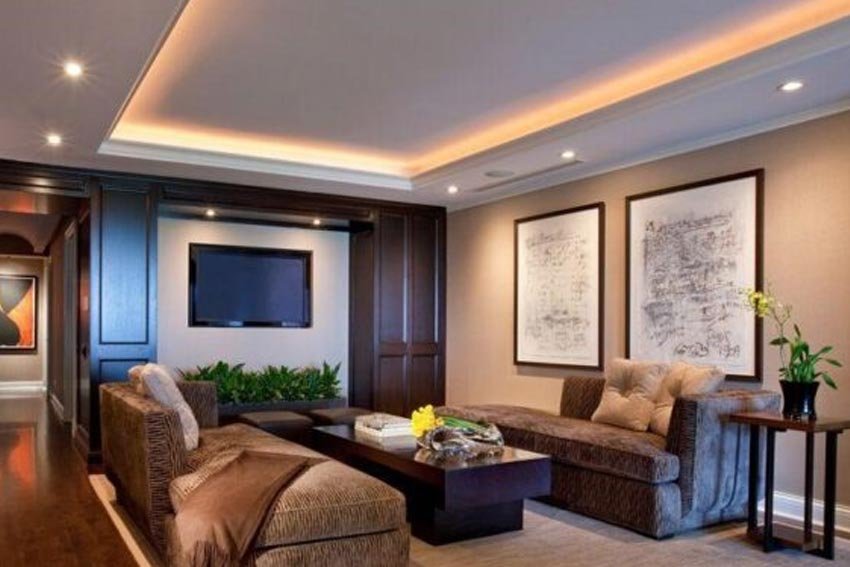
- Cove and Indirect Lighting: By reflecting light off ceilings or walls, cove lighting creates a soft, shadow-free environment that is gentle on the eyes.
- Wall Sconces: Mounted at strategic heights, sconces can brighten corridors and stairways without creating harsh glare.
- Night Lights and Motion Sensors: Plug-in or built-in night lights with motion detection are perfect for bathrooms and bedrooms, providing just enough light to move safely at night.
Design Tips for Effective Ambient Illumination
To maximize both safety and comfort, consider these practical design strategies:
- Layer Your Lighting: Combine overhead fixtures with wall sconces or floor lamps to eliminate shadows and create a more inviting space.
- Use Dimmers: Adjustable controls allow you to set the right brightness for different times of day or activities, supporting both visibility and relaxation.
- Choose the Right Color Temperature: Warm white (2700K–3000K) is ideal for bedrooms and living rooms, while neutral white (3500K–4000K) works well in kitchens and bathrooms.
- Install Motion Sensors: Automatic lights in hallways, stairwells, and bathrooms reduce the risk of accidents at night.
- Prioritize Glare Control: Select fixtures with diffusers or frosted covers to prevent harsh light that can cause discomfort or temporary vision loss.
Room-by-Room Guide to Safer Ambient Lighting
Every area of the home has unique lighting needs. Here’s how to approach each space for optimal safety and comfort:
Entryways and Hallways
These high-traffic zones benefit from bright, even lighting. Recessed lights or flush-mount fixtures prevent shadows, while motion-activated night lights ensure safe passage after dark.
Living and Dining Areas
Use a mix of ceiling lights and floor or table lamps to create a flexible, welcoming atmosphere. Dimmers help adjust brightness for gatherings or quiet evenings.
Kitchens and Bathrooms
Ample general illumination is essential for these functional spaces. Consider combining ceiling fixtures with under-cabinet or vanity lights for full coverage. For bathrooms, pairing ambient lighting with safety features like walk-in tub frame construction types can further reduce risks.
Bedrooms
Soft, indirect light supports relaxation and safe movement at night. Night lights or low-level sconces near the bed and along the path to the bathroom are especially helpful.
Smart Controls and Energy Efficiency
Modern lighting solutions offer more than just brightness—they also help save energy and add convenience. Smart bulbs, timers, and occupancy sensors ensure lights are only on when needed, reducing electricity costs and extending bulb life. Many LED fixtures are now compatible with home automation systems, allowing you to control lighting remotely or set schedules for added peace of mind.
Maintenance and Upkeep for Lasting Safety
Regularly check all fixtures to ensure they are working properly and replace bulbs as soon as they dim or fail. Clean diffusers and covers to maintain optimal light output. If you have older wiring or outdated fixtures, consider upgrading to LED options for better efficiency and reliability.
Frequently Asked Questions
What is the best type of lighting for preventing accidents at night?
Soft, indirect sources such as LED night lights or motion-activated fixtures are ideal for nighttime safety. These options provide enough illumination to see obstacles without causing glare or disrupting sleep.
How can I make my bathroom safer with ambient lighting?
Use ceiling fixtures for general light and add motion-sensor night lights near the floor or vanity. Pairing these with safety features like grab bars and non-slip mats can further reduce the risk of slips and falls.
Are LED lights suitable for ambient safety lighting?
Yes, LEDs are energy-efficient, long-lasting, and available in a range of color temperatures. They work well for general illumination and can be used in ceiling fixtures, wall sconces, and night lights.
Should I use dimmers for ambient lighting?
Dimmers are highly recommended, as they let you adjust brightness based on time of day and activity. This flexibility supports both safety and comfort, especially in multi-use spaces.
Conclusion
Thoughtful use of lighting for ambient safety transforms your home into a safer, more comfortable place for everyone. By choosing the right fixtures, layering light sources, and incorporating smart controls, you can reduce risks and create a welcoming environment. For further enhancements, consider integrating other safety upgrades—such as those discussed in our guide to understanding walk-in tub warranty terms—to support well-being at every stage of life.