
As mobility needs change with age, many older adults and their families look for ways to make their homes safer and more accessible. One common barrier is narrow doorways, which can make it difficult for those using wheelchairs, walkers, or other mobility aids to move freely. Fortunately, there are door widening grants for seniors and other financial assistance programs designed to help cover the costs of modifying doorways and improving home accessibility.
Understanding the options available can make a significant difference in maintaining independence and quality of life. This article explores the types of grants and assistance programs, eligibility requirements, and the application process. For those considering broader home modifications, learning about walk-in shower grab bar weight ratings can also be valuable for ensuring safety throughout the home.
Why Doorway Modifications Matter for Older Adults
As people age, limited mobility can make everyday activities more challenging. Standard doorways in many homes are often too narrow for wheelchairs or walkers, creating obstacles and increasing the risk of falls or injuries. Widening doorways is a practical solution that enhances accessibility, supports independent living, and improves overall home safety.
Modifying doorways can also help seniors remain in their homes longer, delaying or preventing the need for assisted living or nursing care. These changes are especially important for individuals with chronic conditions, disabilities, or those recovering from surgery who require mobility aids.
Types of Financial Assistance for Doorway Widening
The cost of widening a doorway can vary depending on the home’s structure and the extent of the modifications needed. Fortunately, there are several sources of door widening grants for seniors and related financial support:
- Federal and State Grants: Programs such as the U.S. Department of Agriculture’s Section 504 Home Repair program and state-level housing assistance initiatives often provide funding for accessibility improvements.
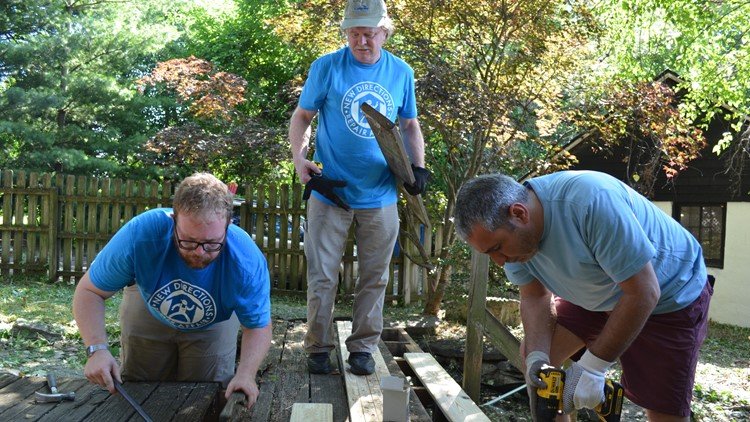
- Nonprofit Organizations: Groups like Rebuilding Together offer grants or low-cost repairs for eligible homeowners, focusing on safety and accessibility upgrades.
- Veterans’ Benefits: The Department of Veterans Affairs (VA) offers grants like the Specially Adapted Housing (SAH) and Special Home Adaptation (SHA) grants for eligible veterans needing home modifications.
- Medicaid Waivers: In some states, Medicaid Home and Community-Based Services (HCBS) waivers may help cover the cost of accessibility modifications, including doorway widening.
- Local Programs: Many cities and counties have home modification programs for older adults, often funded through local agencies on aging or housing authorities.
Eligibility Requirements for Accessibility Grants
Each grant or assistance program has its own set of eligibility criteria. While requirements vary, most programs consider factors such as:
- Age: Many programs are specifically for individuals aged 60 or older.
- Income: Some grants are income-based, targeting low- to moderate-income households.
- Disability Status: Proof of a disability or medical need for accessibility modifications may be required.
- Homeownership: Most grants are available to homeowners, though some programs may assist renters with landlord permission.
- Location: Certain programs are limited to specific geographic areas or communities.
It’s important to review the guidelines for each program and gather necessary documentation, such as proof of income, age, disability, and homeownership status, before applying.
How to Apply for Doorway Widening Assistance
The process for securing door widening grants for seniors typically involves several steps:
- Research Available Programs: Start by identifying federal, state, local, and nonprofit programs that offer home modification assistance in your area.
- Check Eligibility: Review the requirements for each program to ensure you qualify.
- Gather Documentation: Collect documents such as proof of age, income, disability, and homeownership.
- Complete the Application: Fill out the required forms and submit them along with supporting documents. Some programs may require a home assessment or contractor estimates.
- Follow Up: Stay in contact with the program administrator to track your application status and provide any additional information as needed.
For those interested in making additional home improvements, exploring topics like walk-in tub frame construction types can help ensure a safer and more accessible living environment.

Choosing the Right Contractor for Doorway Modifications
Once funding is secured, selecting a qualified contractor is crucial. Look for professionals with experience in accessibility modifications and knowledge of local building codes. Ask for references, verify licensing and insurance, and request detailed estimates before signing any contracts.
Some grant programs may have a list of approved contractors or require you to use certified professionals. Always clarify these requirements before starting any work.
Additional Resources for Home Accessibility
Beyond doorway widening, there are many ways to enhance home safety and accessibility for older adults. Consider installing grab bars in bathrooms, ramps at entryways, and accessible kitchen features. For more information on bathroom safety, see our article on understanding walk-in tub warranty terms and coverage limits.
Nonprofit organizations, local agencies on aging, and community development offices are excellent sources of information and support. Many offer free home assessments and can help identify additional modifications that may be beneficial.
Frequently Asked Questions
What is the typical cost to widen a doorway for accessibility?
The cost to widen a doorway generally ranges from $300 to $2,500, depending on the home’s structure, the width required, and whether electrical or plumbing systems need to be moved. Grants and financial assistance can help offset these expenses for eligible seniors.
Can renters access funding for doorway modifications?
Some programs allow renters to apply for accessibility grants with the landlord’s permission. It’s important to check the specific requirements of each program and obtain written consent from the property owner before making any modifications.
Are there grants available for other home modifications besides door widening?
Yes, many assistance programs cover a range of accessibility improvements, including ramps, grab bars, bathroom modifications, and more. Researching local and national resources can help identify additional funding opportunities for comprehensive home safety upgrades.
How long does it take to receive grant approval?
Approval timelines vary by program. Some may process applications within a few weeks, while others can take several months, especially if funding is limited or additional documentation is required. Staying organized and following up with program administrators can help speed up the process.
Conclusion
Making homes safer and more accessible is essential for supporting independence and well-being as we age. With a variety of door widening grants for seniors and related financial assistance options available, older adults and their families have valuable resources to help cover the cost of essential modifications. By researching programs, understanding eligibility, and planning carefully, it’s possible to create a home environment that supports mobility, safety, and peace of mind.
For further reading on accessible home features, you may also be interested in learning about walk-in tub faucet types and flow rates for fast filling and efficient use.