
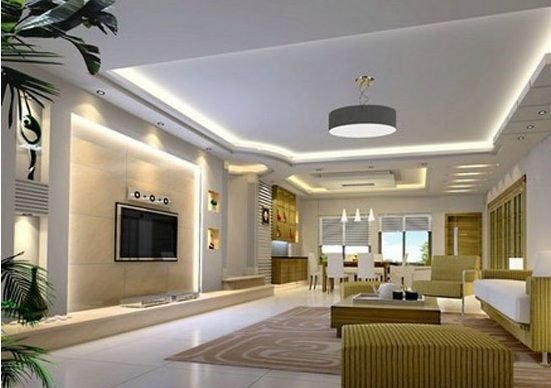
Proper lighting for stairs and ramps is essential for ensuring safety and accessibility in any home or building. Well-designed illumination helps prevent trips and falls, especially for older adults, children, or anyone with limited mobility. Whether you’re updating an existing staircase or planning a new ramp, understanding the best lighting techniques can make a significant difference in both safety and comfort.
In this article, we’ll explore practical strategies, fixture options, and design considerations that support safer movement on stairways and indoor ramps. We’ll also touch on how lighting choices can enhance the look of your space while meeting important safety standards. For those interested in other accessibility upgrades, you may also want to review walk-in shower grab bar weight ratings for additional home safety insights.
Why Proper Illumination Matters for Stairways and Ramps
Insufficient lighting is a leading contributor to accidents on steps and sloped walkways. Shadows, glare, or uneven light can make it difficult to judge distances, spot obstacles, or see changes in elevation. By focusing on lighting for stairs and ramps, you can reduce the risk of missteps and create a more welcoming environment for everyone.
- Improved visibility: Adequate brightness helps users clearly see each tread, riser, or ramp surface.
- Contrast and depth: Good lighting highlights edges and transitions, making it easier to navigate safely.
- Wayfinding: Consistent illumination guides people along the intended path, especially at night or in low-light conditions.
Types of Fixtures for Stair and Ramp Lighting
Choosing the right fixtures is key to achieving both safety and style. Here are some of the most effective options for illuminating steps and sloped walkways indoors:
Recessed Step Lights
These fixtures are installed directly into the wall or the vertical face of each step. They provide focused, low-glare light that marks every tread without causing harsh shadows. Recessed step lights are especially useful for narrow staircases or ramps where space is limited.
LED Strip Lighting
Flexible LED strips can be mounted under handrails, along stair nosings, or beneath ramp edges. This approach delivers continuous, even illumination and can be customized for brightness and color temperature. LED strips are energy-efficient and long-lasting, making them a popular choice for modern interiors.
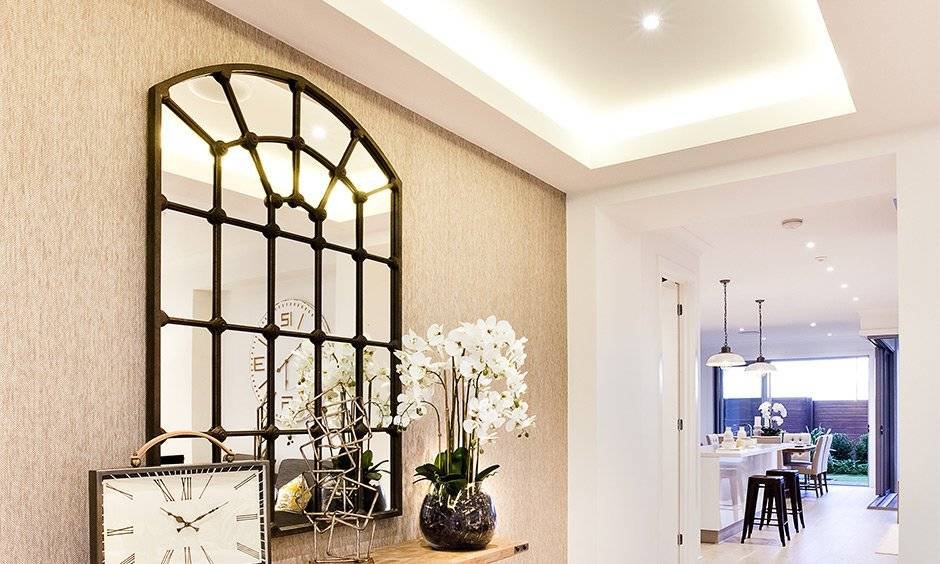
Wall Sconces and Overhead Fixtures
Wall-mounted sconces or ceiling lights can provide general illumination for larger stairwells and ramps. When positioned correctly, these fixtures minimize shadows and ensure that the entire area is evenly lit. For a more decorative touch, consider fixtures that complement your interior design while still meeting safety needs.
Motion Sensor Night Lights
Adding motion-activated lights along stairs or ramps increases safety during nighttime hours. These lights turn on automatically when someone approaches, reducing the risk of accidents in the dark and saving energy when not in use.
Design Strategies for Safer Step and Ramp Lighting
Beyond fixture selection, the placement and quality of light are just as important. Here are some practical design strategies to maximize safety and comfort:
- Uniform brightness: Avoid bright spots or deep shadows by spacing fixtures evenly along the path.
- Low-glare solutions: Use diffusers, frosted covers, or indirect lighting to prevent harsh reflections that can obscure steps or ramps.
- Highlight edges: Place lights to accentuate the leading edge of each step or the start/end of a ramp, improving depth perception.
- Color temperature: Choose a warm white (2700K–3000K) for residential spaces to create a comfortable, inviting atmosphere.
- Accessibility: Ensure switches or controls are easy to reach for all users, including those with limited mobility.
For a deeper dive into fixture types and how they affect ambiance and function, you can refer to this comprehensive guide on lighting types.
Common Mistakes to Avoid When Lighting Steps and Ramps
Even with the best intentions, certain lighting choices can undermine safety or comfort. Here are a few pitfalls to watch out for:
- Overly bright fixtures: Excessive brightness can cause glare, making it harder to see step edges or ramp transitions.
- Inconsistent color temperatures: Mixing warm and cool lights can confuse depth perception and create visual discomfort.
- Improper placement: Lights that are too high or too low may cast unwanted shadows or fail to reach critical areas.
- Neglecting maintenance: Burned-out bulbs or dirty lenses reduce effectiveness and can create unexpected hazards.
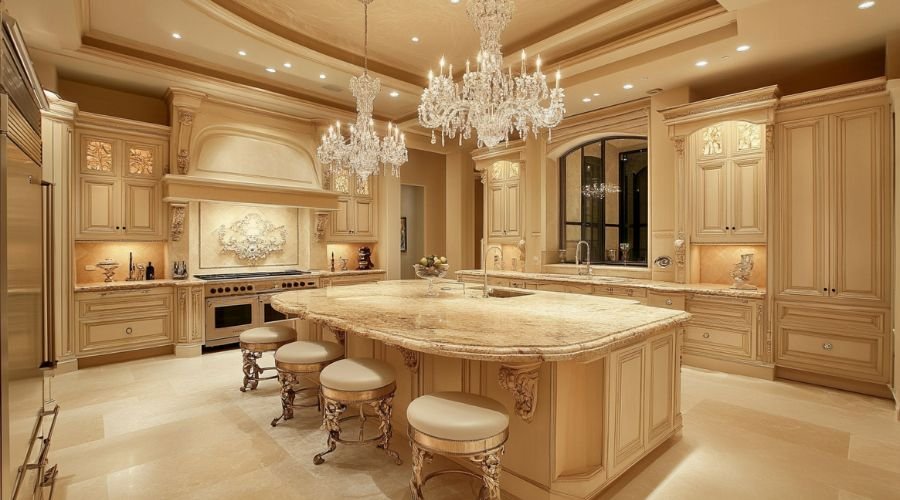
Integrating Lighting With Other Accessibility Features
Good illumination works best when combined with other safety upgrades. For example, pairing well-lit stairs with sturdy handrails or non-slip treads can further reduce fall risks. In bathrooms and other high-risk areas, explore options like walk-in tub frame construction types or understanding walk-in tub warranty terms to create a comprehensive approach to home safety.
Maintenance Tips for Long-Term Safety
Once you’ve installed the right fixtures, keeping them in good working order is vital. Here are some maintenance tips to ensure your lighting for stairs and ramps continues to provide reliable safety:
- Check bulbs and LEDs regularly and replace them as needed.
- Clean fixtures to remove dust or debris that can block light output.
- Test motion sensors and timers to confirm they activate as expected.
- Inspect wiring and connections periodically for signs of wear or damage.
Frequently Asked Questions
What is the best type of light for indoor stairs?
The ideal choice is a combination of recessed step lights and LED strips, as they provide even, low-glare illumination. Wall sconces or overhead fixtures can supplement these for general brightness, but always ensure the light is distributed evenly and highlights each step clearly.
How bright should stair and ramp lighting be?
Aim for a brightness level of at least 100–150 lumens per square meter (lux) for residential stairs and ramps. This ensures that every tread or slope is clearly visible without causing glare. Adjustable fixtures or dimmers can help tailor the light to your specific needs.
Are motion sensor lights a good idea for stairways?
Yes, motion-activated lighting is an excellent way to enhance safety, especially at night. These lights automatically turn on when someone approaches, reducing the risk of accidents and saving energy when not in use.
Can lighting upgrades improve home accessibility?
Absolutely. Upgrading your lighting not only reduces fall risks but also supports independence for people with limited vision or mobility. When combined with other features like grab bars and non-slip surfaces, it creates a safer and more accessible environment.