As people age, maintaining a comfortable and energy-efficient home environment becomes increasingly important. For older adults, proper insulation is not just about saving on utility bills—it’s also about health, safety, and overall well-being. Many seniors live in older homes that may lack adequate insulation, leading to drafts, higher heating and cooling costs, and even potential health risks during extreme temperatures.
Fortunately, there are a variety of resources and programs designed to provide home insulation help for seniors. These initiatives can make a significant difference in improving living conditions, reducing energy expenses, and supporting independent living. In this article, we’ll explore the types of assistance available, eligibility requirements, and practical steps to access these benefits.
For those interested in additional home safety upgrades, understanding walk-in shower grab bar weight ratings can also be beneficial, especially when planning comprehensive home modifications for aging in place.
Why Insulation Matters for Older Adults
Proper insulation plays a crucial role in maintaining a stable indoor temperature, reducing the risk of hypothermia in winter and heat-related illnesses in summer. Seniors are often more sensitive to temperature extremes, making it essential to keep their homes well-insulated. Additionally, improved insulation can lower energy bills, freeing up more of a fixed income for other necessities.
- Health and Safety: Reduces exposure to cold drafts and excessive heat, minimizing health risks.
- Energy Efficiency: Keeps heating and cooling costs manageable, which is vital for those on a limited budget.
- Comfort: Creates a more pleasant living environment year-round.
Types of Home Insulation Assistance Available
There are several programs and resources that provide insulation support for seniors. These may include government-funded initiatives, nonprofit organizations, and local utility company programs. Each has its own eligibility criteria and application process.
Government Programs for Home Insulation
The federal government, along with many state and local agencies, offers weatherization assistance to help older adults insulate their homes. The most well-known is the Weatherization Assistance Program (WAP), which provides free or low-cost insulation and energy efficiency improvements for qualifying households.
- Weatherization Assistance Program (WAP): This program helps low-income seniors by improving insulation, sealing air leaks, and upgrading heating and cooling systems.
- Low Income Home Energy Assistance Program (LIHEAP): While primarily focused on energy bills, some LIHEAP funds can be used for weatherization and insulation projects.
Nonprofit and Community Resources
In addition to government programs, various nonprofit organizations offer home insulation help for seniors. For example, Rebuilding Together provides critical home repairs and energy upgrades for older adults in need. Local community action agencies and senior centers may also have information on available grants or volunteer-driven projects.
Utility Company Assistance
Many utility companies run energy efficiency programs that include free or discounted insulation upgrades for eligible seniors. These programs often provide home energy audits, recommendations, and sometimes direct installation of insulation materials.
Eligibility and Application Process
To qualify for most insulation assistance programs, seniors typically need to meet certain income requirements or demonstrate financial need. Age criteria may vary, but many programs are open to those 60 and older. Documentation such as proof of income, home ownership, and identification is usually required.
- Contact your local weatherization agency or senior services office to inquire about available programs.
- Gather necessary documents, including proof of income, age, and home ownership or rental status.
- Complete the application process, which may include a home energy assessment.
- Schedule an inspection or installation with approved contractors or volunteers.
Common Insulation Upgrades for Senior Homes
The most effective insulation improvements for older homes often include:
- Attic Insulation: Reduces heat loss in winter and keeps the home cooler in summer.
- Wall Insulation: Helps maintain consistent indoor temperatures.
- Sealing Air Leaks: Weatherstripping doors and windows to prevent drafts.
- Basement and Crawl Space Insulation: Prevents cold air from entering through the foundation.
Additional Home Safety and Comfort Modifications
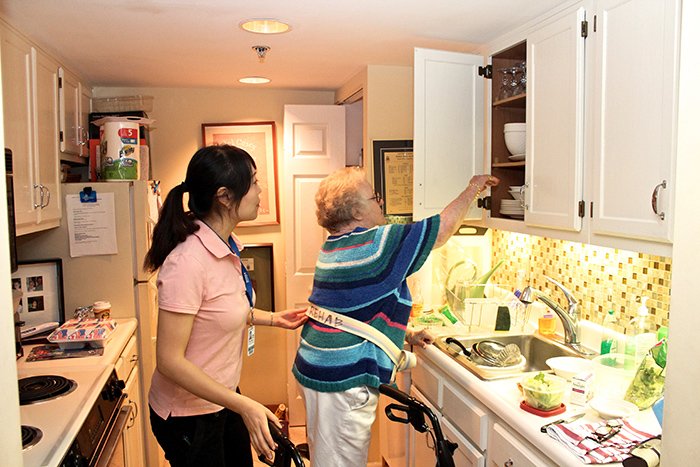
While improving insulation is a key step, seniors may also benefit from other home modifications that enhance safety and accessibility. For example, installing grab bars in bathrooms, upgrading lighting, and adding non-slip flooring can help prevent falls and injuries. If you’re considering a bathroom remodel, learning about walk-in tub frame construction types can help you choose the safest and most durable options.
Combining insulation upgrades with other home improvements creates a safer, more comfortable environment for aging in place.
Tips for Seniors Seeking Insulation Assistance
- Start Local: Contact your city or county’s senior services office for information on available programs.
- Check Utility Providers: Many offer free energy audits and may provide insulation upgrades at no cost.
- Ask About Grants: Some nonprofits and local governments offer grants specifically for home energy improvements.
- Combine Upgrades: If possible, coordinate insulation improvements with other safety modifications for maximum benefit.
Frequently Asked Questions
What types of insulation upgrades are most beneficial for seniors?
The most impactful upgrades typically include attic and wall insulation, sealing air leaks around doors and windows, and insulating basements or crawl spaces. These improvements help maintain a consistent indoor temperature and reduce energy costs.
How can I find out if I qualify for insulation assistance?
Eligibility is usually based on income, age, and home ownership status. Contact your local weatherization agency or senior services office to learn about specific requirements and start the application process.
Are there programs that help with both insulation and other home safety upgrades?
Yes, some organizations and government programs offer comprehensive home modification services, including insulation, grab bars, and accessibility improvements. For example, Rebuilding Together provides a range of home repairs and upgrades for seniors.
Can renters access insulation help, or is it only for homeowners?
Some programs are available to renters with the landlord’s permission. It’s important to check with the specific program or agency to determine eligibility and requirements for rental properties.
For more information on related home safety topics, you may also want to read about are walk-in tubs covered by insurance to understand coverage options for other home improvements.
Accessing home insulation help for seniors can make a lasting difference in comfort, safety, and affordability. By exploring the resources and tips outlined above, older adults and their families can take meaningful steps toward a healthier, more energy-efficient home.