
Bathrooms can present significant risks for older adults and those who assist them. Slippery surfaces, tight spaces, and hard fixtures increase the likelihood of falls and injuries. Understanding how to make a bathroom safer for seniors is essential for promoting independence and peace of mind for both older adults and caregivers. This article provides practical steps, recommended products, and expert tips to help you create a safer, more accessible bathroom environment.
Whether you are planning a full renovation or looking for simple upgrades, prioritizing safety features can make daily routines easier and reduce the risk of accidents. Many of these changes are straightforward and can be implemented without major construction. For those seeking a comprehensive approach, the aging in place home improvement checklist offers additional ideas for adapting the home to evolving needs.

Key Risks in the Bathroom for Older Adults
Before making changes, it’s important to recognize the most common hazards that affect seniors and their caregivers in the bathroom:
- Slippery floors from water, soap, or condensation
- High tub walls or shower thresholds that are difficult to step over
- Lack of sturdy supports for balance
- Low toilets that are hard to rise from
- Limited lighting that makes it difficult to see obstacles
- Cluttered spaces that restrict movement
Addressing these issues is the first step toward a safer and more comfortable bathroom experience.
Essential Modifications for Senior-Friendly Bathrooms
When considering bathroom safety solutions for seniors, focus on improvements that directly reduce fall risk and support mobility. Here are some of the most effective upgrades:
Install Grab Bars and Handrails
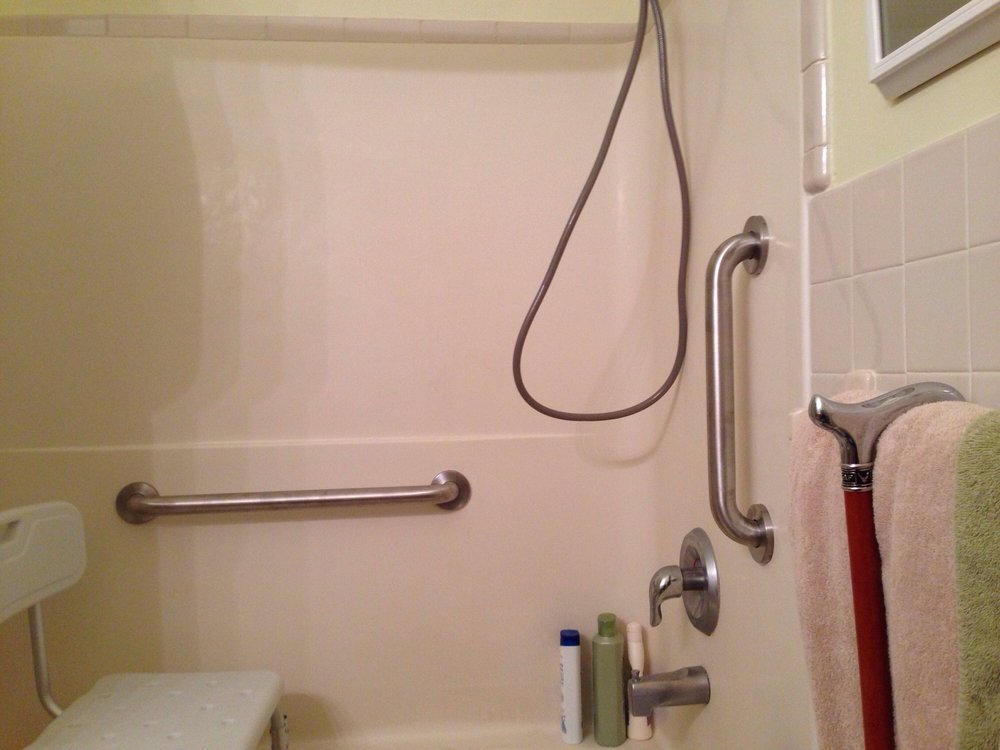
Adding grab bars near the toilet, shower, and bathtub provides essential support for standing and moving. These should be installed securely into wall studs for maximum stability. For a detailed overview of placement and types, see this room-by-room guide to grab bars.
Use Non-Slip Flooring and Mats
One of the simplest ways to make bathrooms safer for seniors is to add non-slip mats both inside and outside the tub or shower. Choose mats with strong suction cups or rubber backing to prevent shifting. If possible, replace slick tile or vinyl with slip-resistant flooring materials.
Upgrade the Toilet Area
Standard toilets can be too low for many older adults, making it difficult to sit and stand safely. Consider installing a raised toilet seat or toilet safety rails for added support. These modifications are especially helpful for those with limited strength or balance.

Improve Lighting and Visibility
Poor lighting can make it difficult to spot water on the floor or obstacles in the path. Install bright, energy-efficient LED lights and consider adding motion sensors for hands-free operation. Nightlights are also valuable for safe navigation during nighttime bathroom visits.
Consider Walk-In Showers and Accessible Tubs
Traditional bathtubs with high sides are a major tripping hazard. Walk-in showers with low or no thresholds are much easier to access and can often be fitted with a shower seat. For more ideas on accessible upgrades, review the bathroom accessibility upgrades that make a difference guide.
Additional Tips for Caregivers and Families
Supporting an older adult in the bathroom can be physically demanding. Here are some ways to make the space safer and more manageable for caregivers as well:
- Keep frequently used items within easy reach to avoid unnecessary bending or stretching.
- Remove clutter and store cleaning supplies out of the way.
- Use lever-style faucet handles, which are easier for arthritic hands to operate.
- Install a handheld showerhead for easier bathing assistance.
- Ensure there is enough space for both the senior and caregiver to move comfortably.
For homes with multiple generations or mobility needs, see more bathroom safety solutions for multigenerational homes to address a variety of requirements.
Simple Upgrades That Make a Big Difference
Not every improvement requires a full remodel. Here are some quick changes that can significantly enhance bathroom safety:
- Replace glass shower doors with shatter-resistant or curtain options.
- Install anti-scald devices on faucets to prevent burns.
- Use contrasting colors for grab bars and fixtures to improve visibility.
- Keep a waterproof seat or bench in the shower for those who tire easily.
- Regularly check for loose tiles, peeling caulk, or water leaks that could create hazards.
For more inspiration on easy and effective changes, explore easy home modifications for elderly safety that can be applied throughout the house.
Frequently Asked Questions
What are the most important features to add for senior bathroom safety?
The most critical features include securely installed grab bars, non-slip mats or flooring, raised toilet seats, and improved lighting. These elements address the most common causes of falls and make it easier for seniors to move independently.
How can caregivers help prevent bathroom falls?
Caregivers can reduce fall risk by keeping the bathroom uncluttered, ensuring all safety devices are properly installed, and assisting with transfers as needed. Using adaptive equipment like shower chairs and toilet rails also provides extra support.
Are there affordable ways to improve bathroom safety without remodeling?
Yes, many safety upgrades are budget-friendly and easy to install. Non-slip mats, portable grab bars, raised toilet seats, and brighter lighting can all be added without major renovation. These simple changes can have a significant impact on safety and comfort.
Conclusion
Making a bathroom safer for older adults and their caregivers involves a combination of thoughtful design, practical upgrades, and regular maintenance. By addressing common hazards and adding supportive features, you can help ensure a safer, more accessible space for everyone. For those interested in a broader approach to home safety, consider exploring smart home features that support senior mobility as part of a comprehensive aging-in-place strategy.