
Bathrooms are among the most common places for slips, trips, and falls, especially for older adults and individuals with limited mobility. Preventing injuries during bathing is crucial for maintaining independence and safety at home. Simple changes and the right equipment can significantly reduce the risk of accidents, making daily routines safer and more comfortable for everyone.
Falls in the bathroom often lead to serious injuries, but many of these incidents can be avoided by understanding the risks and implementing practical solutions. Whether you are caring for an elderly family member or looking to enhance your own safety, this article provides actionable steps to minimize hazards and create a secure bathing environment.

For those interested in a broader approach to home safety, you may also find value in our guide on home safety for elderly couples, which covers essential upgrades for various areas of the house.
Understanding the Risks in the Bathroom
The bathroom presents unique challenges due to its hard surfaces, frequent moisture, and confined spaces. Wet floors, soap residue, and limited support structures can all contribute to falls and other injuries. According to the CDC, over 230,000 people in the United States are treated for bathroom-related injuries each year, with the majority occurring during bathing or showering.
- Slippery surfaces: Water and soap can make tubs, showers, and tiles extremely slick.
- Lack of support: Many bathrooms lack sturdy handholds or rails for balance.
- Limited space: Small bathrooms can make it difficult to maneuver, especially with mobility aids.
- Sudden movements: Getting in and out of the tub or shower can be hazardous without proper support.
Essential Equipment for Safer Bathing
Installing the right safety equipment is one of the most effective ways to reduce the risk of accidents. Here are some of the most recommended tools for preventing injuries during bathing:
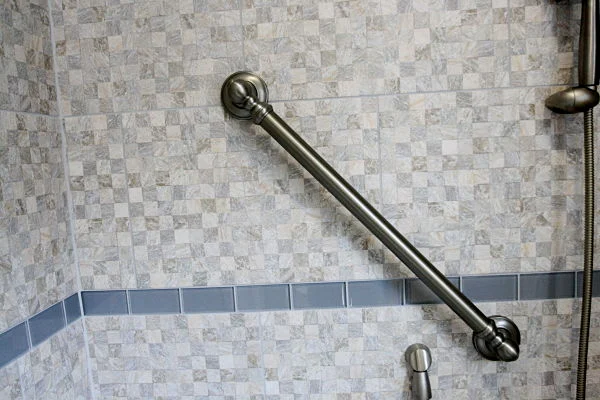
- Grab bars: Installing grab bars near the shower, bathtub, and toilet provides sturdy support for sitting, standing, and moving around. For more details on placement and types, see this room-by-room guide to grab bars.
- Non-slip mats: Place these inside and outside the tub or shower to reduce slipping.
- Shower chairs and benches: These allow users to sit while bathing, minimizing the risk of falls.
- Handheld showerheads: Make it easier to bathe while seated and reduce the need for reaching or twisting.
- Raised toilet seats and safety rails: These additions make it easier to sit and stand, especially for those with limited strength or balance.
Practical Steps for Reducing Hazards
Beyond installing equipment, there are several daily habits and adjustments that can help with preventing injuries during bathing:
- Keep floors dry: Wipe up spills and splashes immediately to prevent slippery surfaces.
- Organize toiletries: Store soap, shampoo, and other items within easy reach to avoid stretching or bending.
- Ensure proper lighting: Good visibility helps prevent missteps and accidents, especially at night.
- Wear non-slip footwear: Bath slippers with grip soles can provide extra stability.
- Check water temperature: Use a thermometer or anti-scald devices to prevent burns from hot water.
Adapting the Bathroom for Different Needs
Every individual’s requirements are unique, and the best safety solutions depend on mobility, strength, and personal preferences. For older adults or those with disabilities, consider a comprehensive approach that includes:
- Wider doorways: Accommodate walkers or wheelchairs for easier access.
- Walk-in tubs or curbless showers: Eliminate the need to step over high edges.
- Lever-style faucets: Easier to operate than traditional knobs, especially for those with arthritis.
- Contrasting colors: Use different colors for grab bars and fixtures to make them more visible.
For more information on specialized solutions, our article on bathroom assistance technology for elderly explores innovative products designed for safety and convenience.
Routine Maintenance and Ongoing Assessment
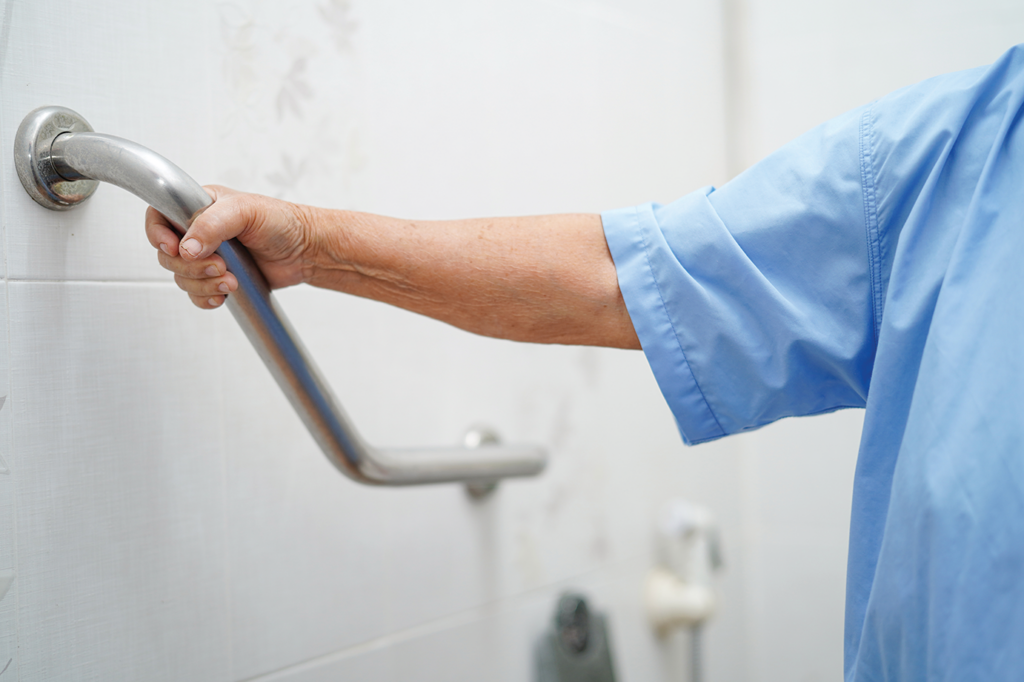
Maintaining a safe bathroom environment requires regular checks and updates. Inspect grab bars, mats, and other equipment for wear and tear. Replace any items that show signs of damage or instability. Periodically review the layout and accessibility of the bathroom, especially after changes in health or mobility.
It’s also wise to involve family members or caregivers in safety planning. They can help identify overlooked hazards and assist with installing or adjusting equipment. For those seeking a deeper comparison of available aids, our post on support rails vs other mobility aids provides insights into choosing the right solution for your needs.
Additional Tips for Injury Prevention
While equipment and layout are important, personal habits also play a significant role in preventing injuries during bathing. Here are some extra suggestions:
- Take your time when entering or exiting the shower or tub.
- Consider bathing when someone else is home, especially if you have a history of falls.
- Keep a phone or emergency alert device nearby in case assistance is needed.
- Stay hydrated and avoid bathing if feeling dizzy or unwell.
For a broader perspective on home modifications, our resource on senior injury prevention at home covers core upgrades that support safety throughout the house.
FAQ: Bathing Safety and Injury Prevention
What are the most important bathroom modifications for reducing falls?
The most effective changes include installing grab bars, using non-slip mats, adding a shower chair or bench, and ensuring proper lighting. These adjustments provide support, stability, and visibility, significantly lowering the risk of accidents.
How often should safety equipment in the bathroom be checked?
Inspect all equipment, such as grab bars and mats, at least every few months. Replace any items that are loose, worn, or damaged. Regular checks ensure that all safety features remain reliable and effective.
Are grab bars difficult to install, and where should they be placed?
Many grab bars are designed for straightforward installation, but professional help may be needed for optimal placement and security. They should be installed near the shower, bathtub, and toilet—anywhere extra support is needed for sitting, standing, or moving.
Can technology help with bathing safety?
Yes, there are many modern solutions such as anti-scald devices, motion-activated lights, and emergency alert systems that can enhance safety and provide peace of mind for users and caregivers alike.
Conclusion
Taking proactive steps to address bathroom hazards is essential for maintaining independence and well-being, especially for seniors and those with mobility challenges. By combining the right equipment, thoughtful layout, and safe habits, you can create a bathing environment that minimizes risks and supports daily routines with confidence. For more tips and product recommendations, explore our articles on bathroom support systems for elderly users and related topics throughout our site.