
Making a home safer and more comfortable is a priority as we age, but the cost of upgrades can be a concern for many older adults. Fortunately, there are practical and low cost home renovations for seniors that can significantly improve safety, accessibility, and quality of life—without breaking the bank. This guide explores affordable modifications, funding resources, and helpful tips to help seniors and their families create a secure living environment.
If you’re looking for additional ways to support aging in place, consider exploring DIY home safety improvements for seniors for more hands-on solutions.
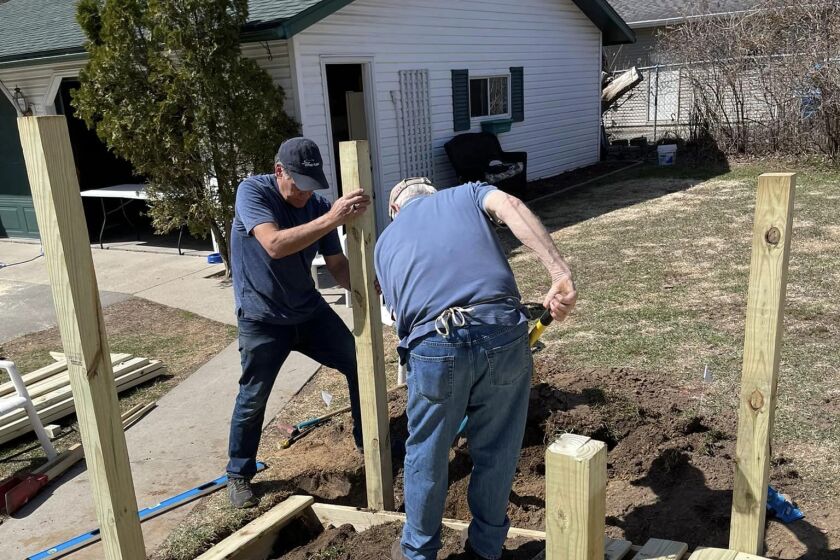
Why Affordable Home Upgrades Matter for Seniors
As mobility and health needs change, the home environment should adapt as well. Simple, budget-friendly renovations can help prevent falls, improve independence, and reduce the risk of injury. Many older adults wish to remain in their own homes for as long as possible, and making targeted changes can support this goal.
Even small adjustments—like improved lighting or grab bars—can make a big difference in daily life. These changes not only enhance safety but also offer peace of mind to caregivers and family members.
Top Budget-Friendly Modifications for Senior Safety
There are many ways to make a home safer and more accessible without major construction or high expenses. Here are some of the most effective low cost home renovations for seniors:
- Install Grab Bars and Handrails: Adding sturdy grab bars in bathrooms and along hallways helps prevent slips and falls. These are affordable and can be installed in key areas like showers, tubs, and near toilets.
- Improve Lighting: Replace dim bulbs with bright, energy-efficient LEDs. Add night lights in hallways and bathrooms to reduce the risk of nighttime falls.
- Non-Slip Flooring Solutions: Place non-slip mats in the bathroom and kitchen. Consider adhesive strips or area rugs with non-skid backing for added traction.
- Lever-Style Door Handles: Swap out round doorknobs for lever handles, which are easier for those with arthritis or limited hand strength to use.
- Raised Toilet Seats: These make it easier to sit and stand, reducing strain on knees and hips.
- Shower Chairs and Handheld Showerheads: Both can be installed with minimal cost and greatly improve bathing safety and comfort.
- Widen Doorways with Offset Hinges: If a walker or wheelchair is needed, offset hinges can add extra inches of clearance to existing doorways without major remodeling.
- Declutter and Rearrange Furniture: Sometimes, the most effective changes are free. Clear pathways and remove tripping hazards to make moving around the home easier.

Financial Assistance and Resources for Affordable Renovations
Many seniors qualify for financial help with home modifications. Local, state, and federal programs may provide grants, low-interest loans, or free labor for eligible households. Nonprofit organizations and community groups also offer support for essential safety upgrades.
For a detailed overview of available options, visit this comprehensive list of home repair assistance programs for seniors. These resources can help cover the cost of materials, labor, or both, depending on the program.
In addition to direct renovation support, you may be eligible for energy assistance programs for elderly or utility bill assistance programs for seniors, which can free up funds for home improvements.
Simple DIY Projects to Enhance Senior Living Spaces
Many low cost home renovations for seniors can be tackled as do-it-yourself projects. Here are some ideas that don’t require professional skills:
- Install Peel-and-Stick Lighting: Battery-operated LED lights can be placed in closets, under cabinets, or along stairways for added visibility.
- Secure Loose Rugs and Cords: Use double-sided tape or rug grippers to keep rugs in place. Bundle and secure cords to prevent tripping.
- Adjust Closet Rods and Shelves: Lower closet rods and add pull-down shelving to make storage more accessible.
- Apply Contrasting Tape: Mark the edges of steps or thresholds with brightly colored tape to improve depth perception.
- Install Temporary Ramps: Portable ramps can be used at entryways for easier access with walkers or wheelchairs.
For more inspiration, check out the home improvement tax credits for elderly to see if your DIY upgrades might qualify for additional savings.
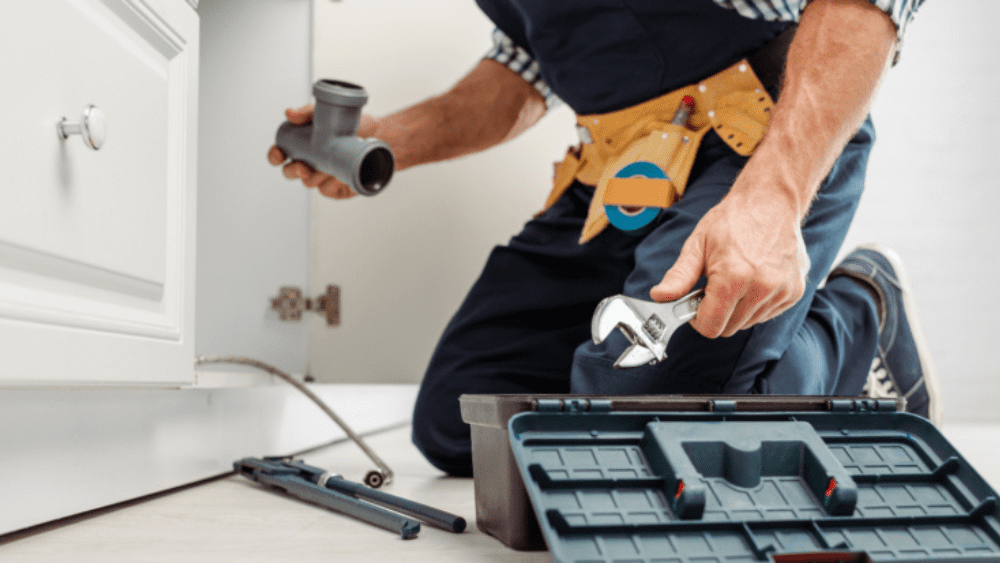
Choosing the Right Upgrades for Your Needs
Every home and individual is different. When planning affordable modifications, consider the following:
- Assess Current and Future Needs: Think about mobility, vision, and health changes that may occur over time.
- Prioritize High-Risk Areas: Focus on bathrooms, stairs, and entryways where falls are most likely.
- Consult with Professionals: Occupational therapists or aging-in-place specialists can recommend the most effective changes for your situation.
- Start Small: Begin with the most urgent or affordable projects and add more as needed or as budget allows.
If bathing safety is a concern, you may also want to explore walk in tub assistance programs for additional support.
Frequently Asked Questions
What are the most important low cost home renovations for seniors?
The most impactful changes often include installing grab bars, improving lighting, adding non-slip mats, and replacing doorknobs with lever handles. These upgrades address common safety risks and can be done with minimal expense.
Are there grants or financial aid available for senior home modifications?
Yes, many government and nonprofit programs offer financial assistance for home safety upgrades. Eligibility varies by location and income. For a detailed list of options, see the home repair assistance resources for seniors.
Can I make my home safer without hiring a contractor?
Absolutely. Many effective safety improvements, such as adding night lights, securing rugs, and installing grab bars, can be completed as DIY projects. For more ideas, visit our DIY home safety improvements for seniors resource.
How do I decide which renovations to prioritize?
Start by identifying areas with the highest risk of falls or injury, such as bathrooms and stairs. Consult with a healthcare provider or home safety specialist to assess your needs and create a plan that fits your budget.
Are there tax credits for making home modifications for seniors?
In some cases, home improvements made for medical reasons may qualify for tax deductions or credits. For more information, review the home improvement tax credits for elderly guide.
By focusing on practical, affordable upgrades, seniors and their families can create a safer, more comfortable home environment. With the right resources and a thoughtful approach, aging in place can be both achievable and budget-friendly.