
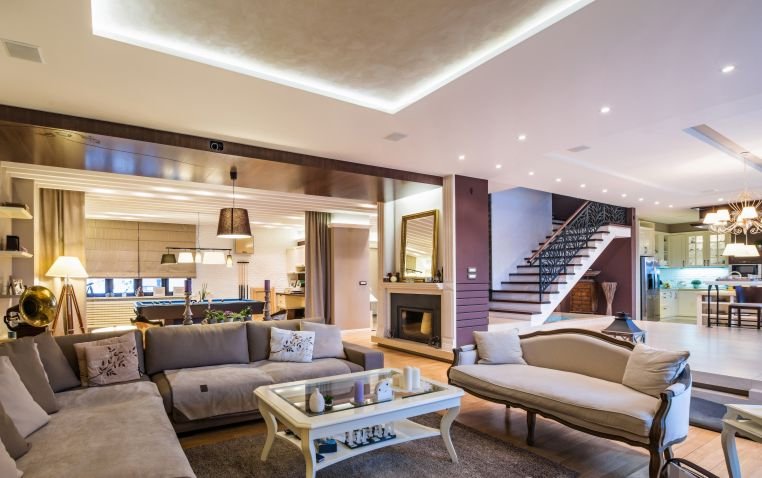
Creating a well-lit environment is essential for both comfort and security. Lighting for accent safety goes beyond aesthetics, playing a crucial role in preventing accidents and making spaces more inviting. Whether at home, in a workplace, or in public areas, the right lighting choices can help reduce hazards, highlight important features, and improve overall visibility.
Many people focus on general illumination, but accent lighting is an often-overlooked strategy that can make a significant difference. By thoughtfully placing lights to highlight steps, pathways, or architectural details, you can enhance both the look and the safety of any space. This approach is especially important in areas where slips, trips, or falls are a risk, such as bathrooms, staircases, and entryways.
For those interested in making bathrooms safer, especially for individuals with mobility challenges, exploring how to check walk-in tub electrical grounding can provide valuable insights into electrical safety and lighting integration.
Understanding the Role of Accent Lighting in Safety
Accent lighting is more than just a design feature. It serves to draw attention to specific areas or objects, making them stand out against the background. When used with safety in mind, this type of lighting can:
- Illuminate potential hazards such as steps, uneven flooring, or obstacles.
- Guide movement along hallways, stairs, and pathways.
- Provide visual cues for changes in elevation or direction.
- Reduce eye strain and improve navigation, especially at night or in low-light conditions.
By combining functionality with style, accent lighting can help prevent accidents and make spaces more accessible for everyone, including children, seniors, and those with limited vision.
Types of Accent Lighting for Safer Environments
There are several lighting options that can be used to enhance safety throughout your home or facility. Here are some of the most effective types:
- Recessed Downlights: Installed into ceilings or walls, these lights provide focused illumination without protruding fixtures, reducing trip hazards and offering a clean look.
- LED Strip Lights: Flexible and easy to install, these can be placed along stair treads, under cabinets, or along hallways to highlight edges and pathways.
- Motion Sensor Night Lights: Automatically turn on when movement is detected, making them ideal for bathrooms, bedrooms, and entryways where sudden illumination is needed.
- Wall Sconces and Step Lights: Mounted at eye or foot level, these lights can guide people safely up and down stairs or through corridors.
Choosing the right accent lighting depends on the specific needs of your space and the areas where extra visibility is most important.

Key Areas to Enhance with Lighting for Accent Safety
Strategically placing accent lighting can make a substantial difference in the safety and usability of various spaces. Here are some critical areas to consider:
Staircases and Hallways
Stairs are a common site for slips and falls. Installing step lights or LED strips along the edges of each tread can provide clear visibility, especially at night. In hallways, wall-mounted fixtures or recessed lighting can guide movement and prevent collisions with furniture or walls.
Bathrooms and Entryways
Bathrooms often have wet surfaces, increasing the risk of accidents. Accent lighting around mirrors, vanities, or along the floor can help users see clearly and avoid hazards. Entryways benefit from motion-activated lights, which automatically brighten the area when someone enters, reducing the chance of stumbling in the dark.
For those interested in additional bathroom safety tips, learning about walk-in tub suction safety features can further enhance peace of mind.
Kitchens and Workspaces
Under-cabinet lighting, toe-kick lights, and spotlights can make food preparation and cleanup safer by illuminating countertops, sinks, and walkways. This helps prevent cuts, spills, and other kitchen accidents.

Choosing the Right Fixtures and Bulbs
Selecting appropriate fixtures and bulbs is key to maximizing both safety and energy efficiency. Here are some tips for making the best choices:
- Opt for LED bulbs for their long life, low heat output, and energy savings.
- Choose fixtures with diffusers or frosted covers to minimize glare and harsh shadows.
- Consider color temperature: warmer tones (2700K–3000K) create a welcoming feel, while cooler tones (4000K–5000K) enhance alertness and visibility.
- Look for dimmable options to adjust brightness according to time of day or activity.
When installing new lighting, always ensure that wiring and mounting are done safely. If you’re unsure, consult a qualified electrician to avoid risks and ensure compliance with local codes.
Integrating Lighting for Accent Safety with Smart Technology
Modern smart lighting systems can further boost safety and convenience. Features like motion sensors, timers, and remote controls allow you to automate lighting based on occupancy or schedule. For example, motion-activated night lights can illuminate a path to the bathroom without the need to fumble for switches.
Smart bulbs and fixtures can also be integrated with home automation systems, enabling voice or app control. This is especially helpful for individuals with limited mobility or for families with young children who may need extra guidance at night.
Maintenance and Upkeep for Lasting Safety
To ensure your accent lighting continues to provide safety benefits, regular maintenance is important. Here are some simple steps:
- Check bulbs and fixtures periodically for signs of wear or malfunction.
- Clean lenses and covers to maintain brightness and clarity.
- Replace batteries in motion sensor lights as needed.
- Test smart features and update firmware to keep systems running smoothly.
Keeping your lighting in top condition helps prevent unexpected outages and ensures that safety features remain effective.
Additional Resources for Home Safety
If you’re interested in more ways to make your home safer and easier to maintain, consider reading about the benefits of microfiber towels for walk-in showers. Small changes, from improved cleaning to better lighting, can have a big impact on comfort and security.
Frequently Asked Questions
What is the difference between accent lighting and general lighting?
General lighting provides overall illumination for a space, while accent lighting is used to highlight specific areas, objects, or architectural features. Accent lighting is often brighter or more focused, drawing attention and improving visibility where it matters most for safety.
How can I use accent lighting to make my stairs safer?
Install step lights, LED strips, or wall-mounted fixtures along the edges of each step. This creates clear visual cues and reduces the risk of missing a step, especially in low-light conditions. Choose fixtures that are flush with the wall or step to avoid tripping hazards.
Are LED lights a good choice for accent safety lighting?
Yes, LED lights are ideal for accent safety applications. They offer bright, consistent illumination, are energy-efficient, and have a long lifespan. Many LED fixtures are available with motion sensors, dimming capabilities, and various color temperatures to suit different needs.
Can smart lighting systems improve home safety?
Smart lighting systems can enhance safety by automating lights based on movement, schedules, or remote commands. This ensures that important areas are always well-lit when needed, reducing the risk of accidents and making navigation easier for everyone.