
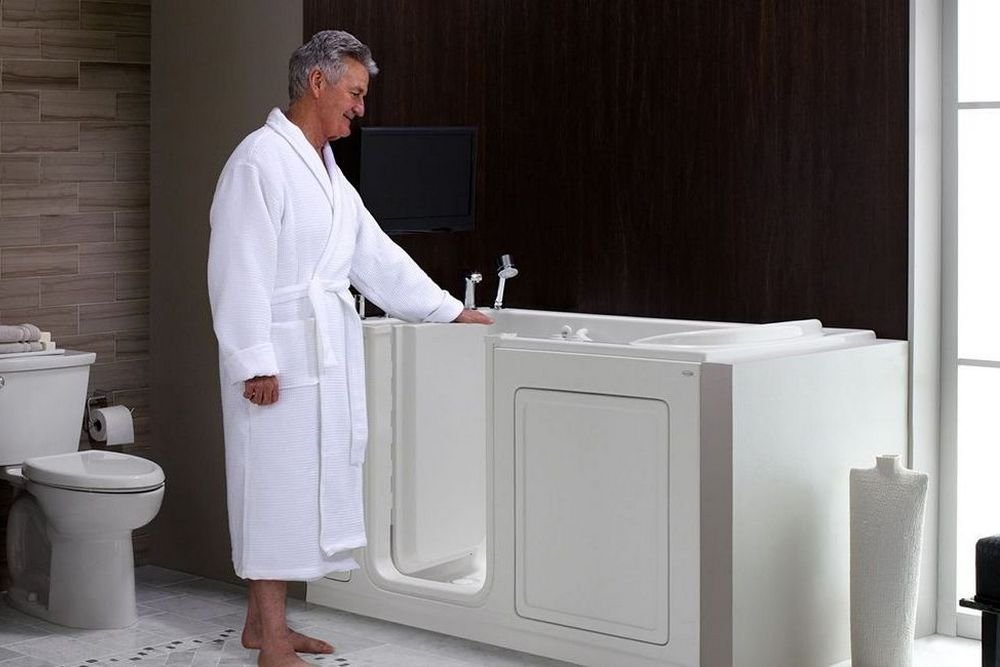
Walk-in tubs have become a popular solution for individuals seeking safer and more accessible bathing options, especially for seniors and those with mobility challenges. Understanding how do walk-in tubs work can help you decide if this type of bathtub is the right fit for your home or for a loved one. These specialized tubs combine thoughtful engineering with user-friendly design to deliver comfort, safety, and therapeutic benefits.
In this article, we’ll break down the mechanical features, interior layout, and functional aspects of walk-in bathtubs. You’ll also find practical tips, answers to common questions, and guidance on what to look for when choosing a model. If you’re interested in related topics, you might also want to explore the walk-in tub foot massage jet benefits for circulation and comfort.
Key Components: How Accessible Bathtubs Operate
At the heart of every walk-in tub is a set of features designed to make bathing easier and safer. Here’s an overview of the main components and how they function together:
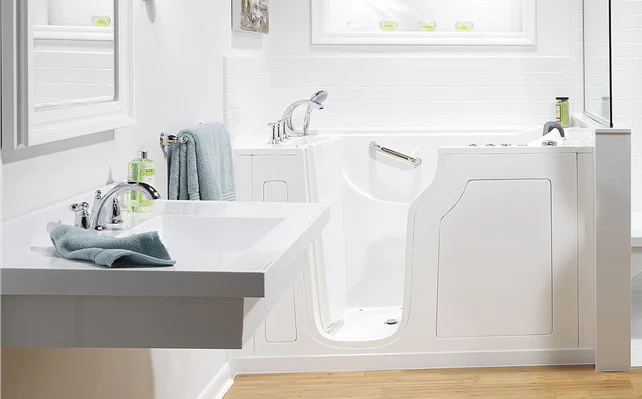
- Watertight Door: The signature feature is a side door that seals tightly when closed, preventing leaks while allowing for easy entry and exit. Most doors swing inward, but some models offer outward-swinging options for added space.
- Low Threshold: The step-in height is typically just a few inches, minimizing the risk of tripping compared to traditional tubs.
- Built-in Seat: An integrated, contoured seat enables users to sit comfortably while bathing, reducing strain on the legs and back.
- Grab Bars: Strategically placed handrails provide extra support for stability and confidence.
- Slip-Resistant Floor: Textured surfaces help prevent slips and falls inside the tub.
- Fast-Drain System: Many walk-in tubs include quick-drain technology, allowing water to exit rapidly so users aren’t left waiting inside the tub for long periods.
Some advanced models also feature hydrotherapy jets, handheld shower wands, and heated backrests for added comfort and therapeutic benefits. If you’re interested in learning more about safety, check out the article on walk-in tub suction safety features to see how modern tubs prevent entrapment and ensure user protection.
Step-by-Step: The Bathing Process in a Walk-In Tub
Understanding the typical bathing sequence helps clarify how do walk-in tubs work in daily use. Here’s how the process unfolds:
- Entry: The user opens the door and steps over the low threshold onto the slip-resistant floor.
- Seating: Once inside, the user sits on the built-in seat and closes the door, which locks securely to form a watertight seal.
- Filling: The tub is filled with water using the faucet controls. Many models have thermostatic valves to maintain a safe, comfortable temperature.
- Bathing: The user can relax, soak, and use optional features like jets or a handheld shower wand.
- Draining: After bathing, the drain is opened. Fast-drain systems minimize wait times before the user can safely exit.
- Exit: Once the water is fully drained, the door can be opened and the user steps out easily.
Interior Design and Comfort Features
The interior layout of a walk-in tub is carefully designed for both safety and comfort. Here’s what you’ll typically find inside:
- Ergonomic Seating: The seat is shaped to support the body, making it easier to relax during a soak.
- Easy-to-Reach Controls: Faucet handles, jet controls, and drain levers are positioned within arm’s reach from the seat.
- Hydrotherapy Jets: Many tubs include air or water jets that provide a gentle massage, which can help with muscle relaxation and circulation. For more on this, read about how to troubleshoot walk-in tub jet noise if you encounter issues with these features.
- Heated Surfaces: Some models offer heated backrests or seats to keep users warm while the tub fills or drains.
- Shower Wand: A handheld shower attachment makes rinsing and personal hygiene easier, especially for those with limited mobility.
These design elements work together to create a safe, comfortable, and enjoyable bathing experience. The combination of accessibility and therapeutic features is what sets walk-in tubs apart from standard bathtubs or showers.
Plumbing and Drainage: What to Expect
Proper plumbing is essential for walk-in tubs to function efficiently. Here’s what homeowners should know:
- Water Supply: Walk-in tubs connect to standard hot and cold water lines. Some models may require larger supply lines for faster filling.
- Drainage: Fast-drain technology uses larger drain openings and sometimes dual drains to empty the tub quickly, reducing wait time after bathing.
- Seals and Gaskets: The door’s watertight seal is typically made from high-quality rubber or silicone, designed to withstand repeated use without leaking.
- Electrical Requirements: If the tub includes jets, heaters, or lights, a dedicated electrical circuit may be needed. Always consult a licensed plumber or electrician for installation.
Maintenance is generally straightforward. Regularly check the door seal for wear, clean the jets as recommended, and ensure drains are free of debris. For cleaning tips, see the benefits of microfiber towels for walk-in showers, which can also apply to walk-in tubs.
Comparing Walk-In Tubs to Other Accessible Bathing Solutions
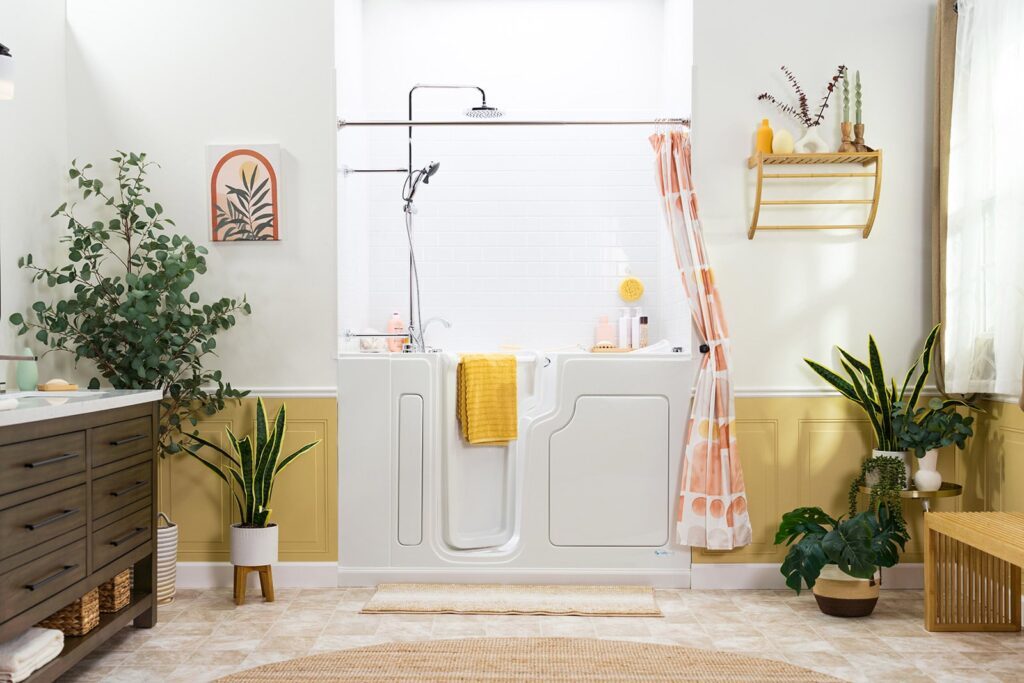
While walk-in tubs offer a unique blend of safety and comfort, they’re not the only option for accessible bathing. Walk-in showers, for example, are another popular choice, especially for those who prefer standing or need wheelchair access. For a detailed comparison, see this resource on walk-in showers for older people and how they differ from tubs in terms of installation and daily use.
Key differences include:
- Entry and Exit: Walk-in tubs require waiting for the tub to fill and drain while inside, whereas walk-in showers allow immediate entry and exit.
- Therapeutic Features: Tubs often provide soaking and hydrotherapy, while showers focus on convenience and speed.
- Space Requirements: Tubs may need more bathroom space and stronger floor support due to water weight.
Choosing between a walk-in tub and a walk-in shower depends on individual needs, preferences, and the available space in your home.
FAQ: Common Questions About Walk-In Tubs
How long does it take to fill and drain a walk-in tub?
Most walk-in tubs fill in 6–10 minutes and drain in 2–4 minutes, depending on your home’s water pressure and the tub’s fast-drain system. Some models are designed for even faster operation to minimize wait times.
Are walk-in tubs safe for people with limited mobility?
Yes, walk-in tubs are specifically designed for safety. Features like low thresholds, grab bars, slip-resistant floors, and built-in seating help reduce the risk of slips and falls. For added peace of mind, look for models with advanced suction safety features.
Can walk-in tubs be installed in any bathroom?
Most walk-in tubs are designed to fit in the space of a standard bathtub, but some bathrooms may require modifications to accommodate the tub’s size, plumbing, or electrical needs. It’s best to consult with a professional installer to assess your specific situation.
Conclusion: Making Bathing Safer and More Comfortable
Walk-in tubs provide a practical solution for those seeking a safer, more comfortable bathing experience. By combining mechanical innovation with thoughtful interior design, these tubs help users maintain independence and enjoy the therapeutic benefits of soaking. Whether you’re considering a walk-in tub for yourself or a loved one, understanding the mechanics and features will help you make an informed decision. Explore related resources and consult with professionals to find the best fit for your needs.