
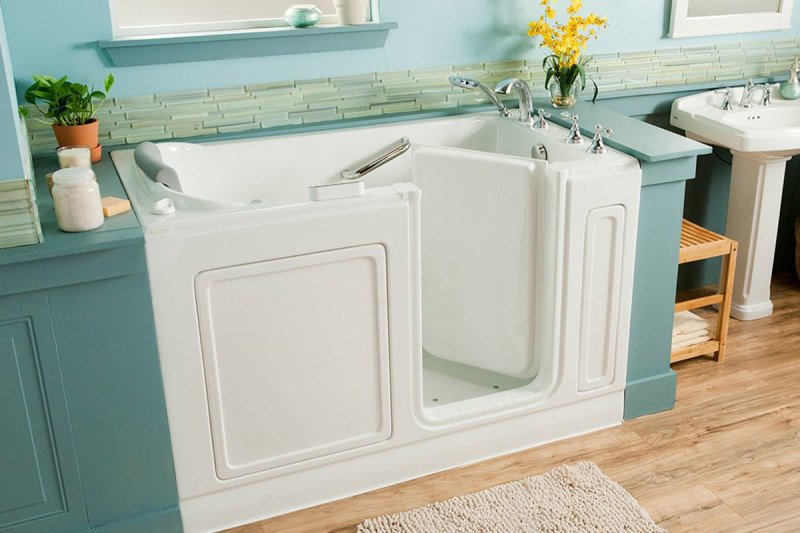
As more homeowners look for ways to enhance safety and accessibility in their bathrooms, low threshold showers have become a popular remodeling choice. These modern bathing solutions are designed with a minimal step or curb, making entry and exit much easier—especially for seniors, people with limited mobility, or anyone concerned about slips and falls.
Understanding the pros and cons of low threshold showers is essential before making a decision. This article explores the key benefits and drawbacks, compares them to other accessible bathing options, and provides practical guidance for anyone considering a safer, more accessible bathroom. For those interested in a broader look at accessible bathing, you might also find value in our detailed guide on what are walk-in tubs.
Understanding Low Threshold Showers
A low threshold shower, sometimes called a low-entry or barrier-free shower, features a curb or step that is much lower than traditional bathtubs or shower stalls. In many cases, the entry is just a couple of inches high—or even flush with the bathroom floor. This design minimizes tripping hazards and simplifies access for people using mobility aids such as walkers or wheelchairs.
These showers are often recommended as part of simple home upgrades for elderly comfort and are a central feature in many aging-in-place renovations.
Key Advantages of Low Entry Showers
There are several compelling reasons why homeowners choose this type of shower for improved safety and convenience. Here are some of the main benefits:
- Enhanced Accessibility: The low step makes it easier for people of all ages and abilities to enter and exit the shower, reducing the risk of falls.
- Modern Aesthetics: Many low threshold showers feature sleek, contemporary designs that can update the look of any bathroom.
- Easy Cleaning: With fewer corners and edges, these showers are typically easier to keep clean than traditional tubs.
- Customizable Features: Options like built-in seating, grab bars, and handheld showerheads can be added to further improve safety and comfort.
- Space Efficiency: Barrier-free showers can make small bathrooms feel more open and accessible.
Potential Drawbacks to Consider
While the benefits are significant, it’s important to weigh the possible downsides of installing a low threshold shower:
- Water Containment: With a lower curb, water can sometimes escape onto the bathroom floor if the shower isn’t properly designed or installed. High-quality doors or curtains and correct floor grading are essential.
- Installation Costs: Retrofitting an existing bathroom to accommodate a barrier-free shower can be more expensive than a standard tub or shower replacement, especially if plumbing or structural changes are needed.
- Cold Floors: The open design can make the shower area feel cooler, especially in winter, unless radiant floor heating or heated towel racks are added.
- Resale Considerations: While many buyers appreciate accessible features, some may prefer a traditional bathtub for families with young children.
For a deeper look at how these showers compare to other accessible bathing solutions, you may want to review the benefits of walk-in showers for seniors.
Comparing Low Threshold Showers and Walk-In Tubs
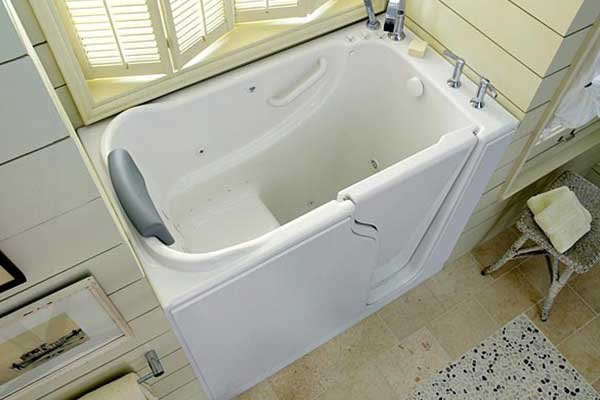
Both low entry showers and walk-in bathtubs are designed to improve bathroom safety, but they serve different needs. Walk-in tubs typically feature a door and a seat, allowing users to bathe while seated. These are ideal for those who prefer soaking and need extra support. Showers with a low curb, on the other hand, are better for those who can stand or use a shower chair and want a faster, more convenient bathing experience.
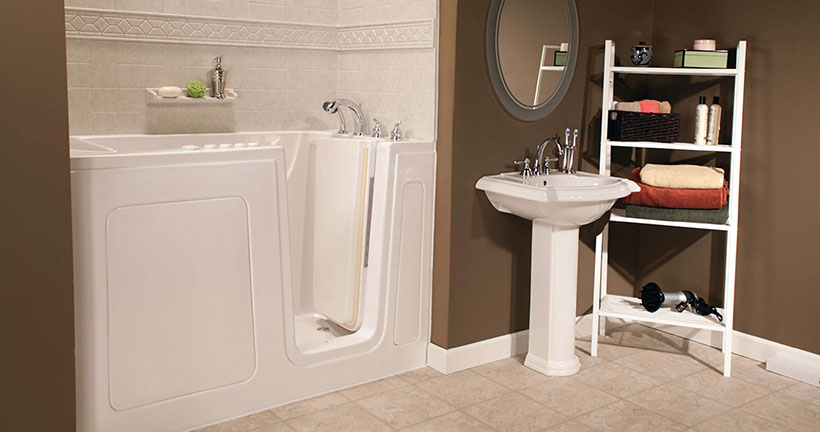
For more details on the safety features of walk-in bathtubs, see our in-depth article.
Who Should Consider a Low Entry Shower?
These showers are a smart choice for:
- Seniors who want to age in place and reduce fall risks
- People with disabilities or limited mobility
- Families seeking a safer bathroom for all ages
- Anyone remodeling for modern style and improved function
If you’re unsure whether a low threshold shower or a walk-in tub is best for your needs, consulting with a bathroom safety specialist can help you evaluate your space, mobility requirements, and budget.
Installation and Maintenance Tips
To maximize the safety and performance of your new shower, keep these tips in mind:
- Hire an experienced installer familiar with accessible bathroom designs.
- Ensure the floor is properly sloped to direct water to the drain.
- Add non-slip flooring both inside and outside the shower area.
- Install sturdy grab bars and consider a built-in or portable shower seat.
- Use a high-quality, weighted shower curtain or a well-sealed glass door to prevent water leaks.
For more on bathroom upgrades and accessible design, explore this overview of bathroom upgrades, walk-in tubs, and showers.
Frequently Asked Questions
Are low threshold showers safe for wheelchair users?
Yes, many low entry showers are designed to be wheelchair accessible. Look for models with a flush or nearly flush entry, enough space for turning, and features like handheld showerheads and grab bars for added support.
How do low threshold showers compare to traditional bathtubs for safety?
Showers with a minimal curb greatly reduce tripping hazards compared to standard tubs, which require a higher step to enter. This makes them a safer option, especially for seniors and those with limited mobility.
What maintenance is required for a low entry shower?
Maintenance is generally straightforward. Regularly clean the surfaces to prevent soap scum and mold, check that the drain is clear, and inspect seals or doors to ensure water stays contained. Non-slip mats or flooring should also be kept clean and in good condition.
Conclusion
Weighing the pros and cons of low threshold showers is an important step in creating a safer, more accessible bathroom. While these showers offer significant advantages in terms of accessibility, modern design, and ease of use, it’s important to consider installation requirements and potential water management issues. For those seeking a balance between safety, style, and convenience, a low entry shower can be a valuable investment in long-term home comfort and independence.