
Choosing the right bathtub for your home involves more than just style and accessibility—it’s essential to understand how much water each type of tub holds and what that means for your daily routine. The walk-in tub water capacity vs standard tubs debate is especially important for those considering upgrades for safety, comfort, or accessibility. This guide breaks down the differences in water usage, practical considerations, and what to expect when switching from a traditional bathtub to a walk-in model.
Understanding how much water your tub uses affects not only your bathing experience but also your water bills, heating needs, and even bathroom plumbing. Whether you’re planning a bathroom remodel or simply comparing options, knowing the facts about tub capacities can help you make an informed decision.
For those interested in the construction and durability of accessible bathing options, you may also want to explore walk-in tub frame construction types to see how different materials impact longevity and performance.
Understanding Water Capacity Differences
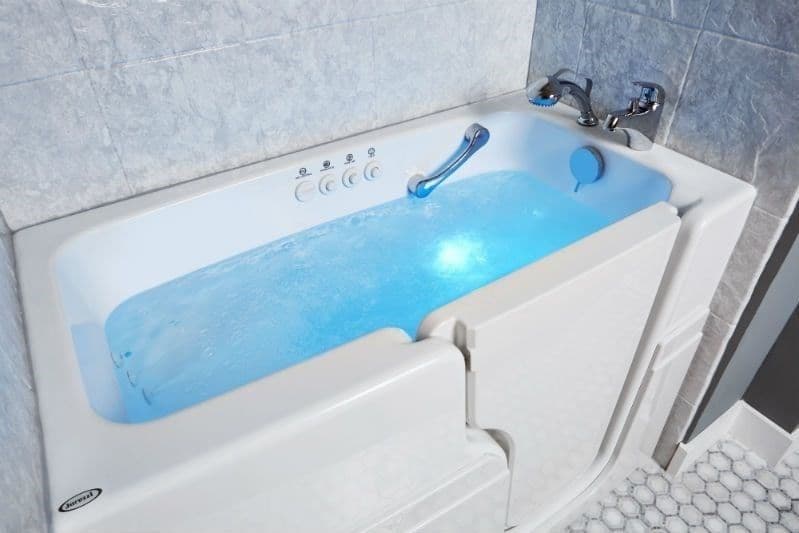
The main distinction between walk-in tub water capacity vs standard tubs comes down to size, design, and intended use. Traditional bathtubs, such as alcove or freestanding models, typically hold between 40 and 60 gallons of water when filled to the overflow drain. In contrast, walk-in tubs are designed for soaking and therapeutic purposes, often requiring more water to submerge the user comfortably.
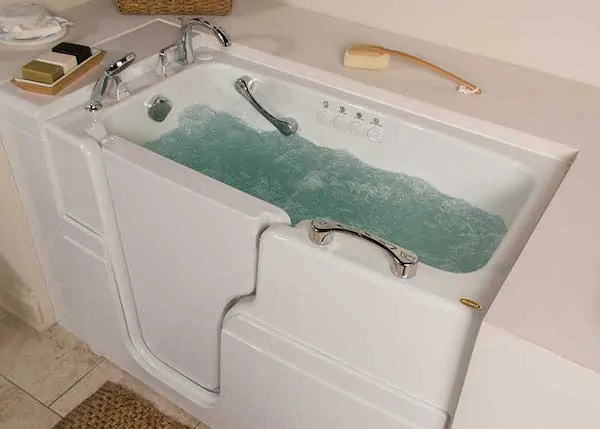
Walk-in tubs generally range from 40 to 80 gallons in capacity, with some larger models exceeding 90 gallons. The higher sides and upright seating position mean the water needs to be deeper to cover the body, especially for hydrotherapy features. However, the actual water usage per bath can vary based on the bather’s size and how full the tub is filled.
Comparing Common Bathtub Types
| Type of Tub | Average Water Capacity (Gallons) | Typical Dimensions (Inches) |
|---|---|---|
| Standard Alcove Tub | 40–60 | 60 x 30 x 14–16 |
| Freestanding Soaking Tub | 55–75 | 60–72 x 32–36 x 20–24 |
| Walk-In Tub (Compact) | 40–50 | 52 x 28 x 38 |
| Walk-In Tub (Standard) | 50–70 | 60 x 30 x 38 |
| Walk-In Tub (Large/Soaker) | 70–90+ | 60–70 x 32–36 x 38–40 |
As shown above, walk-in tubs can require as much—or more—water than larger soaking tubs. This is a key consideration for homeowners with older plumbing or smaller water heaters.
Factors That Influence Water Usage
Several elements affect how much water a bathtub actually uses during each bath. Here are the most important factors to consider when comparing walk-in tub water capacity vs standard tubs:
- Tub Depth: Walk-in tubs are deeper to allow for full-body soaking, which increases the water needed to reach a comfortable level.
- Seating Position: Most walk-in models have built-in seats, so the water must rise higher to cover the bather’s torso and shoulders.
- User Size: Larger individuals displace more water, potentially reducing the amount needed, while smaller users may require more water for full immersion.
- Hydrotherapy Features: Jets and whirlpool systems in walk-in tubs may require the tub to be filled above the jets for optimal function.
- Filling Preferences: Some users may fill the tub only partially, while others prefer a deeper soak.
It’s also worth noting that the time to fill and drain a walk-in tub can be longer due to the increased volume, which may impact convenience for some users.
Impact on Water Heater and Plumbing
One of the most practical concerns when considering a walk-in tub is whether your current water heater can handle the larger capacity. For example, if your walk-in tub holds 70 gallons but your water heater only provides 40–50 gallons of hot water at a time, you may not be able to fill the tub with warm water in a single go. Upgrading to a larger water heater or installing a tankless system can resolve this, but it’s an additional investment to keep in mind.
Bathroom plumbing should also be evaluated for flow rate and drainage. Walk-in tubs often include fast-drain technology, but older pipes may limit how quickly the tub can empty. Consulting a plumber before installation is recommended, especially in older homes.
Water Conservation and Cost Considerations
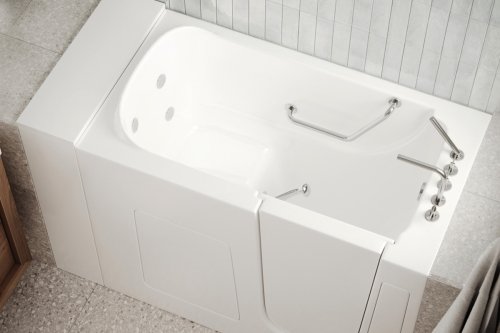
While walk-in tubs offer significant benefits for accessibility and comfort, their larger water requirements can lead to higher utility bills. If water conservation is a priority, look for models with smaller footprints or those designed to maximize immersion with less water. Some manufacturers offer walk-in tubs with contoured seating and narrower basins to reduce overall volume.
For those seeking alternatives with even lower water usage, walk-in showers for elderly users can be a practical solution. Showers typically use less water per use and can be equipped with accessibility features like grab bars and handheld sprayers.
Accessibility and Safety Benefits
Beyond water usage, walk-in tubs are designed with accessibility and safety in mind. Features such as low entry thresholds, built-in seating, and slip-resistant floors make them ideal for seniors and those with mobility challenges. If you’re considering additional safety upgrades, you may also want to read about walk-in shower grab bar weight ratings to ensure proper support in your bathroom.
Walk-in tubs can also be equipped with hydrotherapy jets, heated surfaces, and easy-to-reach controls, further enhancing comfort and usability. These features, while increasing water needs, can greatly improve quality of life for those who require therapeutic bathing.
Installation and Maintenance Tips
When installing a walk-in tub, it’s important to:
- Measure your bathroom space to ensure the tub fits comfortably and allows for safe entry and exit.
- Confirm your water heater can supply enough hot water for the tub’s maximum capacity.
- Check that your plumbing can handle the fill and drain rates required.
- Plan for regular maintenance, including cleaning jets and drains to prevent buildup.
Proper installation and maintenance will help you get the most out of your investment and ensure safe, reliable operation for years to come.
Frequently Asked Questions
How much water does a walk-in tub use compared to a standard bathtub?
Most walk-in tubs use between 50 and 80 gallons of water per bath, depending on the model and user size. Standard bathtubs typically use 40 to 60 gallons. Larger walk-in models may require even more, so it’s important to check the specifications before purchasing.
Will I need a new water heater for a walk-in tub?
If your current water heater is smaller than the tub’s maximum capacity, you may need to upgrade to ensure you can fill the tub with hot water in one session. Tankless water heaters are a popular choice for homes with high-capacity tubs.
Are there walk-in tubs that use less water?
Yes, some walk-in tubs are designed with narrower basins or contoured seating to reduce water usage while still providing a deep soak. Look for compact or “petite” models if water conservation is a concern.
Is it possible to install a walk-in tub in a small bathroom?
Many manufacturers offer compact walk-in tubs that fit into the same footprint as a standard bathtub. Always measure your space and consult with an installer to ensure proper fit and accessibility.
Conclusion
Understanding the walk-in tub water capacity vs standard tubs comparison is crucial for making the right choice for your home. While walk-in tubs generally require more water, they offer unmatched accessibility, safety, and therapeutic benefits. By considering your household’s needs, water heater size, and bathroom layout, you can select the best bathing solution for comfort and convenience. For more guidance on accessible bathroom upgrades, explore related topics such as walk-in shower handheld sprayer placement and walk-in shower waterproofing methods to create a safer, more enjoyable bathing environment.