
Proper lighting for safe home inspection is essential to ensure every area of a house is thoroughly evaluated, hazards are identified, and nothing is overlooked. Whether you are a professional inspector, a homeowner preparing for a sale, or someone conducting a routine safety check, understanding how to illuminate spaces effectively can make a significant difference in both accuracy and safety. This article covers practical advice on choosing and using lighting solutions, highlights common mistakes, and provides actionable tips to help you achieve the best visibility during your inspection process.
Before diving into specific lighting strategies, it’s important to recognize that home safety encompasses more than just illumination. For example, addressing bathroom accessibility with features like walk-in shower grab bar weight ratings can further enhance safety throughout the home. Combining good lighting with other safety measures ensures a comprehensive approach.
Why Proper Lighting Matters During Home Inspections
Adequate lighting is a critical factor in any home assessment. Insufficient illumination can cause important details to be missed, such as water damage, electrical issues, or structural problems. More importantly, poor visibility increases the risk of accidents, especially in areas like basements, attics, and stairwells. For a thorough and safe home inspection, the right lighting tools and techniques are non-negotiable.
Types of Lighting for Thorough Home Assessments
Selecting the right type of light source is the foundation of any effective inspection. Here are the most commonly used options:
- LED Flashlights: Compact, energy-efficient, and bright. Ideal for inspecting tight spaces and electrical panels.
- Headlamps: Keep your hands free while providing direct light. Useful for crawl spaces and attics.
- Work Lights: Portable units that can flood a room with light. Great for large, dark areas like basements or garages.
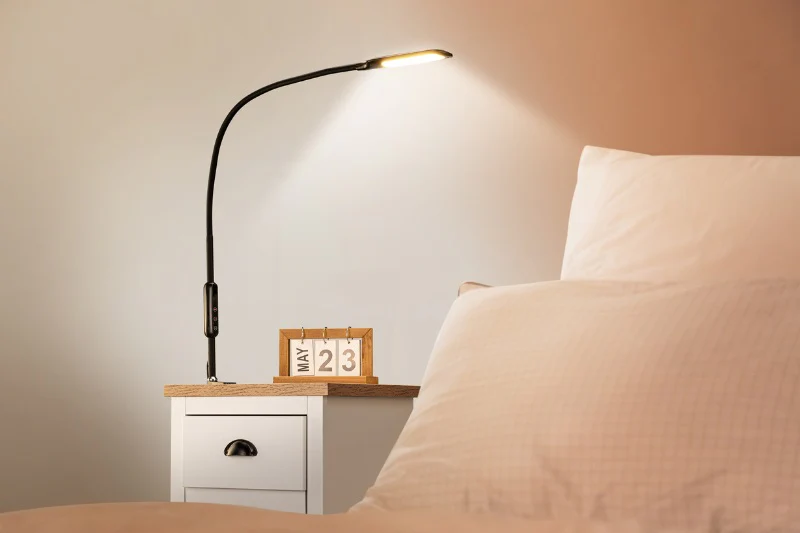
- Clip-on or Clamp Lights: Attach to surfaces for focused illumination, especially handy when you need to direct light at a specific angle.
- Motion Sensor Night Lights: Enhance safety in hallways and staircases, automatically illuminating as you move through the space.
For more on the various lighting fixtures you might encounter or use, check out this guide to different types of light fixtures.
Best Practices for Lighting in Home Safety Checks
Effective lighting for safe home inspection goes beyond simply turning on the nearest lamp. Consider these best practices to maximize visibility and minimize risk:
- Test All Installed Fixtures: Before starting, ensure every built-in light works. Replace burnt-out bulbs and clean fixtures to remove dust that can dim output.
- Use Layered Lighting: Combine ambient, task, and accent lighting to eliminate shadows and reveal hidden issues.
- Carry Backup Sources: Always have extra batteries and a secondary flashlight in case of power outages or equipment failure.
- Check for Glare and Shadows: Position lights to avoid glare on shiny surfaces and shadows that can obscure defects.
- Illuminate Entryways and Stairs: These are high-risk zones for trips and falls. Use motion sensor lights or portable lamps for added safety.
Room-by-Room Lighting Considerations
Every area of a house presents unique lighting challenges. Here’s how to address them for a comprehensive safety review:
Kitchens and Bathrooms
These rooms often have reflective surfaces and tight corners. Use bright, cool-toned LEDs to highlight water leaks, mold, or electrical issues. Under-cabinet lighting can help illuminate countertops and plumbing beneath sinks.
Living Areas and Bedrooms
Overhead fixtures provide general light, but supplement with portable lamps to check behind furniture and inside closets. Don’t forget to inspect window areas for drafts or signs of moisture.
Basements, Attics, and Crawl Spaces
These are typically the darkest and most hazardous areas. Use high-lumen work lights or headlamps to spot pests, insulation problems, or foundation cracks. Always check for exposed wiring and ensure you have a clear exit path.
Common Lighting Mistakes and How to Avoid Them
- Relying Only on Natural Light: Daylight changes quickly and may not reach all corners. Always supplement with artificial sources.
- Ignoring Fixture Maintenance: Dirty or outdated fixtures can reduce light output. Clean and upgrade as needed.
- Using the Wrong Bulb Type: Choose bulbs with the right color temperature (4000K–5000K for inspections) and sufficient brightness (measured in lumens).
- Overlooking Portable Lighting: Fixed lights rarely reach every nook. Bring portable options to inspect behind appliances, inside cabinets, and in crawl spaces.
Integrating Lighting with Other Home Safety Features
While illumination is a cornerstone of effective home assessments, it works best alongside other safety upgrades. For example, pairing bright lighting with sturdy bathroom fixtures or understanding walk-in tub frame construction types can further reduce risks for residents. Always consider the broader context of home safety when planning your inspection.
Frequently Asked Questions
What is the best type of light for inspecting dark areas like basements or attics?
High-lumen LED work lights or headlamps are ideal for these spaces. They provide bright, focused illumination and are energy-efficient, making it easier to spot issues in hard-to-reach areas.
How can I improve lighting safety in stairwells and hallways?
Install motion sensor night lights or LED strips along the path. These automatically activate as you move, reducing the risk of trips and falls during inspections or daily use.
Are there specific lighting standards for home inspections?
While there are no universal regulations, most professionals recommend using bulbs with a color temperature of 4000K–5000K and at least 800 lumens for general inspection tasks. Always check local guidelines for any additional requirements.