Maintaining a safe and secure home is essential for older adults, but the cost of roof repairs can be overwhelming for those on a fixed income. Fortunately, a range of roof repair assistance for seniors options are available to help reduce financial burdens and ensure homes remain comfortable and weatherproof. This article explores the main types of support available, eligibility requirements, and how to get started with finding help.
Whether you are a senior homeowner, a caregiver, or a family member, understanding these resources can make a significant difference in quality of life and peace of mind. If you are also interested in home safety improvements, you may want to review our safety grab bar placement guide for tubs and showers.
Understanding Home Repair Grants and Loans for Older Adults
Many seniors qualify for government-funded programs that provide grants or low-interest loans to help with urgent home repairs. These initiatives are designed to address health and safety hazards, such as leaking roofs, that could put residents at risk. The most common sources of support include federal, state, and local government agencies, as well as nonprofit organizations.
- Grants are financial awards that do not need to be repaid. They are often reserved for those with the lowest incomes or greatest need.
- Loans may be available at reduced interest rates and can be used for larger projects or when grant funding is insufficient.
- Nonprofit programs may offer free or discounted repairs, often using volunteer labor and donated materials.
For a deeper look at the benefits of these initiatives, see this overview of senior citizen home repair program advantages.
Federal and State Programs That Support Roof Repairs
The U.S. Department of Agriculture (USDA) offers the Section 504 Home Repair program, which provides grants and loans to very low-income homeowners aged 62 or older. These funds can be used to fix or replace damaged roofs, improve energy efficiency, and remove safety hazards. State housing agencies often have similar initiatives, and some states allocate additional funds for weatherization or emergency repairs.
Key features of these programs include:
- Income-based eligibility, with priority given to those in greatest financial need
- Focus on urgent repairs that impact health, safety, or accessibility
- Application processes that may require documentation of income, age, and homeownership
Nonprofit and Community-Based Roof Repair Support
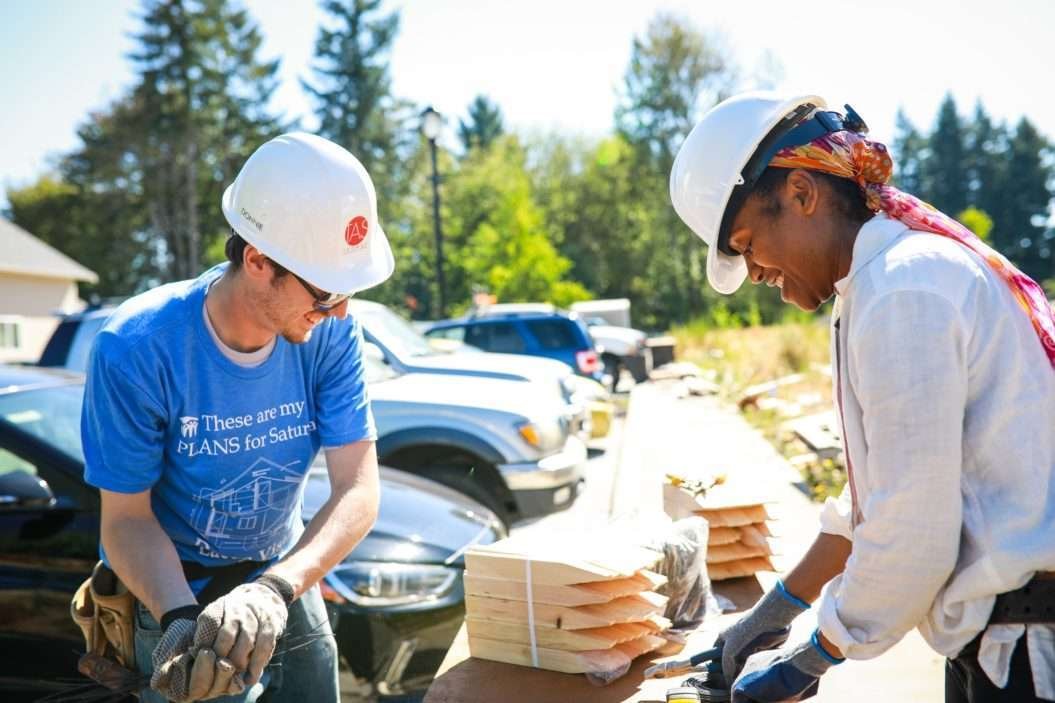
In addition to government programs, many nonprofit organizations provide roof repair assistance for seniors at the local level. Groups like Habitat for Humanity, Rebuilding Together, and local churches often organize volunteer-driven repair days or offer financial aid for critical home improvements.
These community-based efforts can be especially valuable for seniors who may not qualify for government aid or who need help navigating the application process. Services may include:
- Free roof inspections and minor repairs
- Assistance with paperwork and applications
- Referrals to trusted contractors or additional resources

Eligibility and Application Tips for Senior Roof Repair Aid
Qualifying for roof repair assistance for seniors typically depends on several factors. Most programs require applicants to be at least 60 or 62 years old, own and occupy their home, and meet specific income guidelines. Some may also consider the condition of the roof, the urgency of repairs, and whether the applicant has received similar aid in the past.
To improve your chances of approval:
- Gather all necessary documents, including proof of age, income, and homeownership.
- Get a written estimate or inspection report detailing the roof damage.
- Apply early, as funding is often limited and distributed on a first-come, first-served basis.
- Follow up with program coordinators to check on your application status and provide any additional information promptly.
If you are also considering other home upgrades for comfort and safety, you might explore topics like aromatherapy options for walk-in bathtubs or therapeutic benefits of walk-in showers.
Common Challenges and How to Overcome Them
While there are many resources available, seniors may face obstacles such as complex paperwork, limited program awareness, or long wait times for repairs. Here are some strategies to address these challenges:
- Contact local Area Agencies on Aging for guidance and referrals.
- Seek help from family, friends, or community volunteers to complete applications.
- Stay organized by keeping copies of all forms, correspondence, and receipts.
- Consider reaching out to multiple programs to increase your chances of receiving aid.

Additional Resources for Senior Homeowners
Beyond roof repair, many programs offer broader home modification services to support aging in place. These can include installing ramps, improving bathroom safety, and updating heating or cooling systems. Staying informed about available resources can help seniors maintain independence and comfort in their own homes.
For those interested in keeping their homes clean and healthy, our guide on how to sanitize a walk-in shower provides practical tips for routine maintenance.
Frequently Asked Questions
What types of roof repairs are typically covered by senior assistance programs?
Most programs focus on critical repairs that address safety or health risks, such as fixing leaks, replacing damaged shingles, or repairing structural issues. Cosmetic upgrades or non-essential improvements are usually not covered.
How long does it take to receive help after applying?
The timeline varies depending on the program and funding availability. Some repairs may be completed within a few weeks, while others could take several months, especially if there is high demand or a waitlist.
Can renters qualify for these programs?
Most roof repair assistance for seniors is reserved for homeowners. However, renters may be eligible for other types of home modification or safety programs. It is best to check with local agencies for specific options.
Are there limits to how often a senior can receive roof repair help?
Many programs have restrictions on how frequently aid can be provided, often limiting assistance to once every few years or only for urgent needs. Always review the guidelines for each program before applying.
By exploring these options and staying proactive, seniors and their families can find the support needed to keep their homes safe and secure for years to come.