
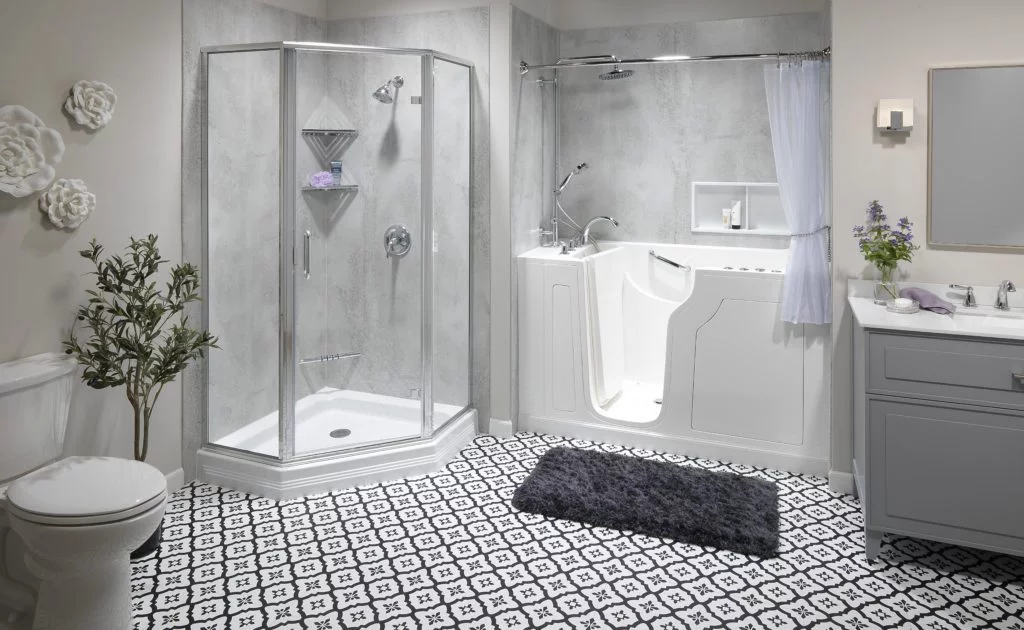
As people age, maintaining independence at home becomes a top priority. The bathroom, however, can present significant risks for seniors, with slippery surfaces and high tub walls increasing the chance of falls. Safety features of walk-in bathtubs are designed to address these concerns, offering a safer and more accessible bathing experience for older adults. Understanding these features can help families and caregivers make informed decisions that support aging in place.
For those interested in broader home improvements, exploring simple home upgrades for elderly comfort can further enhance safety and comfort throughout the house.
Why Bathroom Safety Matters for Seniors
The bathroom is one of the most hazardous areas in any home, especially for older adults. According to the CDC, falls are a leading cause of injury among seniors, and many of these incidents occur while bathing or showering. High tub walls, slippery floors, and limited mobility can turn a simple task into a dangerous one. This is why bathroom safety features are essential for preserving independence and reducing the risk of accidents.
Key Safety Features in Modern Walk-In Bathtubs
Today’s walk-in tubs are engineered with a range of features that make bathing safer and more comfortable for seniors. Below are some of the most important elements to look for when considering a walk-in bathtub.
Low Threshold Entry and Leak-Proof Doors
One of the most significant safety features of walk-in bathtubs is the low step-in threshold. Unlike traditional tubs that require users to lift their legs over a high wall, walk-in models have doors that open wide, allowing easy entry and exit. These doors are designed to be watertight, preventing leaks and ensuring that the bathroom floor stays dry and safe.
Slip-Resistant Surfaces and Built-In Seating
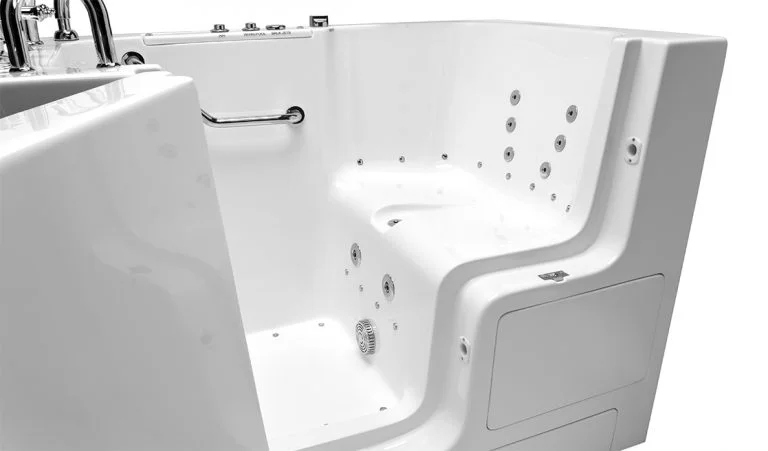
Slippery surfaces are a common cause of falls in the bathroom. Walk-in tubs address this with non-slip flooring and textured surfaces that provide extra grip, even when wet. Many models also include contoured, built-in seats, allowing users to bathe while sitting comfortably and securely. This reduces the need to lower oneself to the floor of the tub, which can be challenging for those with limited mobility.
Grab Bars and Easy-to-Reach Controls
Strategically placed grab bars offer additional support for entering, exiting, and moving within the tub. These bars are typically made from sturdy, rust-resistant materials and are anchored securely to the tub frame. In addition, controls for water temperature, jets, and drains are designed to be within easy reach, minimizing the need to stretch or bend.
Anti-Scald Technology and Temperature Control
Burns from hot water are another risk for seniors. Many walk-in bathtubs are equipped with anti-scald valves that regulate water temperature and prevent sudden fluctuations. This ensures a comfortable and safe bathing experience every time.
Additional Accessibility and Comfort Features
Beyond the core safety elements, modern walk-in tubs often include features that enhance comfort and accessibility for seniors:
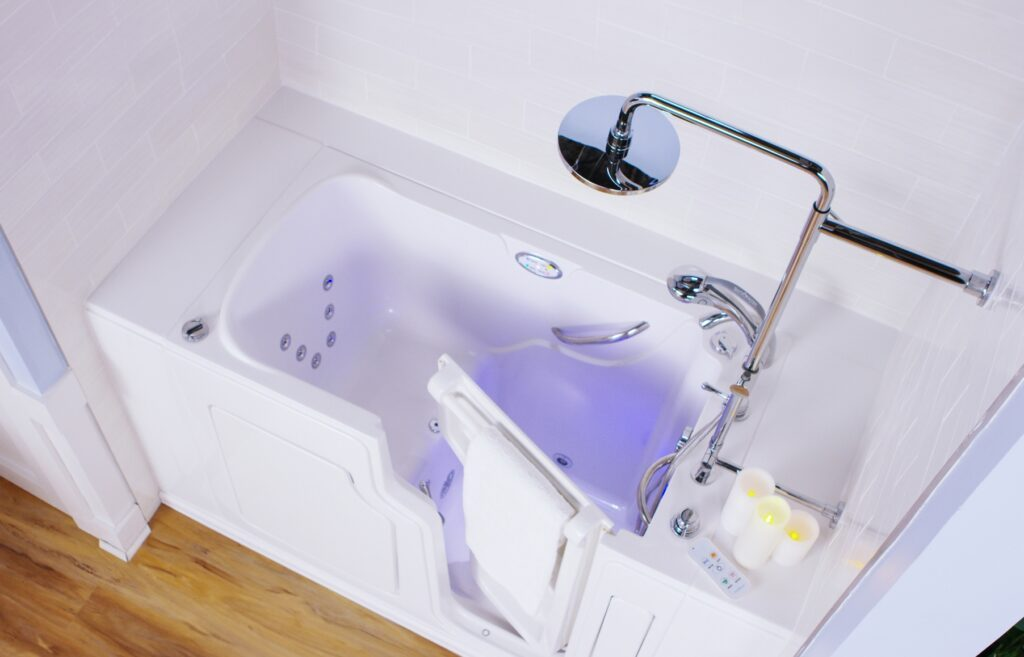
- Handheld shower wands for easier rinsing and flexibility
- Quick-drain systems to reduce waiting time after bathing
- Hydrotherapy jets for soothing sore muscles and joints
- Heated backrests to maintain warmth and comfort
- Wide, ergonomic door handles for easy operation
How Walk-In Bathtubs Support Senior Independence
The right safety features of walk-in bathtubs can make a dramatic difference in a senior’s ability to live independently. By reducing the risk of falls and injuries, these tubs help older adults maintain their dignity and confidence. Many seniors find that being able to bathe without assistance is a key factor in their overall quality of life.
For those considering broader home modifications, resources like DIY home safety improvements for seniors offer additional ideas to create a safer living environment.
Choosing the Right Walk-In Tub for Your Needs
Selecting the best walk-in bathtub involves evaluating the specific needs of the user and the layout of the bathroom. Here are a few tips to guide your decision:
- Measure the available space to ensure a proper fit.
- Consider the user’s mobility and whether extra features like powered doors or lifts are needed.
- Look for tubs with multiple safety enhancements, such as anti-slip floors, grab bars, and anti-scald protection.
- Check for certifications or compliance with ADA (Americans with Disabilities Act) standards.
- Read reviews and consult with professionals to compare models and brands.
For a comprehensive look at accessible bathing solutions, you may find the walk-in showers for seniors guide helpful, as it covers additional options and considerations for bathroom safety.
Maintaining and Using Walk-In Bathtubs Safely
Once installed, regular maintenance ensures that all safety features continue to function as intended. Clean non-slip surfaces and grab bars frequently, check door seals for leaks, and test anti-scald devices periodically. Always follow the manufacturer’s instructions for safe operation.
If you’re interested in financial assistance for home improvements, learning about home improvement tax credits for elderly can help offset the cost of installing a walk-in tub.
Frequently Asked Questions
Are walk-in bathtubs covered by Medicare or insurance?
In most cases, Medicare does not cover the cost of walk-in bathtubs, as they are considered luxury items rather than medically necessary equipment. However, some private insurance plans or Medicaid waivers may offer partial coverage, especially if the tub is prescribed for safety reasons. It’s best to check with your provider for specific details.
How do I keep a walk-in tub clean and mold-free?
Regular cleaning with mild, non-abrasive cleaners helps prevent soap scum and mold buildup. Pay special attention to door seals and jets, if equipped. Allow the tub to dry thoroughly after each use, and periodically check for any signs of mildew or leaks.
Can walk-in bathtubs be installed in small bathrooms?
Many manufacturers offer compact walk-in tubs designed for smaller spaces. Measure your bathroom carefully and consult with an installer to determine which models will fit best. Some tubs can even replace a standard shower or tub without major renovations.
For seniors concerned about utility costs, exploring utility bill assistance programs for seniors can help manage expenses related to increased water or energy use from new bathroom fixtures.