
As people age, feeling safe and secure at home becomes increasingly important. Many older adults wish to remain independent, but their homes may not be equipped to address changing mobility, health, or safety needs. Making home security improvements for elderly residents can help prevent accidents, deter intruders, and provide peace of mind for both seniors and their families.
This article explores practical ways to enhance safety, from simple upgrades to advanced technology. Whether you are an older adult, a caregiver, or a concerned family member, understanding these options can help create a safer, more comfortable living environment. For those interested in financial assistance, resources like veterans home repair benefits for seniors may be available to help cover costs.
Why Prioritize Safety Upgrades for Older Adults?
Many homes were not designed with aging in mind. As mobility, vision, and hearing change, risks such as falls, accidental lockouts, or difficulty responding to emergencies can increase. By making targeted home security improvements for elderly individuals, families can help prevent injuries and support independent living for longer.
In addition to preventing accidents, modern safety upgrades can also deter break-ins and provide rapid access to help in case of medical emergencies. These enhancements are not just about locks and alarms—they encompass a holistic approach to well-being at home.
Essential Security Upgrades for Senior Homes
The following improvements address both physical safety and peace of mind. Many of these solutions are affordable and easy to implement, while others may require professional installation.
- Sturdy Door Locks and Deadbolts: Replace old locks with high-quality deadbolts and lever-style handles, which are easier for arthritic hands to use.
- Peepholes and Video Doorbells: Install wide-angle peepholes or smart doorbells so residents can see who is at the door without opening it.
- Motion-Activated Lighting: Place these lights at entrances, hallways, and outdoor paths to prevent trips and deter intruders.
- Window Security: Add locks or security film to windows, especially on the ground floor.
- Medical Alert Systems: Wearable devices or wall-mounted buttons can summon help quickly in an emergency.
- Smoke and Carbon Monoxide Detectors: Ensure alarms are present in key areas and test them regularly.
- Grab Bars and Non-Slip Surfaces: Install these in bathrooms, stairways, and other high-risk areas to prevent falls.
Fall Prevention and Mobility Enhancements
Falls are a leading cause of injury among seniors. Addressing mobility challenges is a critical aspect of home security improvements for elderly residents. Simple changes can make a significant difference.
- Remove Tripping Hazards: Secure rugs, clear clutter, and keep pathways wide and unobstructed.
- Install Handrails: Both sides of staircases and in hallways benefit from sturdy handrails.
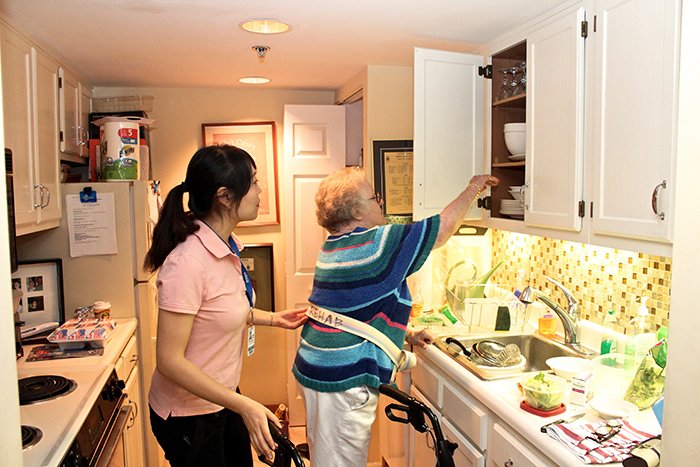
- Accessible Storage: Place frequently used items within easy reach to avoid the need for step stools or bending.
- Adjustable Furniture: Consider chairs and beds at appropriate heights to make sitting and standing easier.
For those living in rural areas or with limited resources, programs like rural development home repair grants for seniors can help cover the cost of these essential modifications.
Smart Technology for Enhanced Peace of Mind
Technology has made it easier than ever to monitor and secure a home. Many devices are designed with older adults in mind, offering simple interfaces and reliable performance.
- Smart Locks: Allow trusted family or caregivers to access the home without hiding spare keys.
- Remote Monitoring Cameras: Let loved ones check in visually, providing reassurance and quick response if something seems amiss.
- Voice-Activated Assistants: Devices like smart speakers can control lights, call for help, or remind residents to take medication.
- Automated Timers: Set lights or appliances to turn on and off, making the home appear occupied and reducing the risk of accidents.
For those seeking financial support, the USDA home repair programs for seniors may provide grants or low-interest loans for qualifying individuals.
Emergency Preparedness and Response Systems
Rapid access to help is a cornerstone of safety for older adults. Emergency response systems can be life-saving in the event of a fall, medical issue, or security threat.
- Personal Emergency Response Systems (PERS): Wearable devices that connect to a monitoring center or directly to emergency services.
- Wall-Mounted Call Buttons: Placed in bathrooms, bedrooms, and living areas for easy access.
- Automatic Fall Detection: Some devices can sense a fall and call for help even if the wearer cannot press a button.
Medicaid recipients may be eligible for assistance with these upgrades. The Medicaid home modification programs guide provides more details on eligibility and covered services.
Finding Help and Financial Assistance
Many organizations and government programs offer support for seniors looking to improve home safety. Nonprofits like Rebuilding Together provide repairs and modifications for those in need. Local agencies on aging, state housing authorities, and community groups may also offer grants or volunteer assistance.
For urgent needs, such as after a storm or sudden health change, urgent home repairs for low income seniors can connect families with rapid-response resources.
Frequently Asked Questions
What Are the Most Important Home Safety Improvements for Older Adults?
Key upgrades include installing sturdy locks, grab bars, non-slip flooring, motion-activated lighting, and medical alert systems. These changes address both accident prevention and emergency response.
How Can Seniors Afford Home Security Upgrades?
Financial assistance is available through government grants, nonprofit organizations, and some insurance programs. Resources like Rebuilding Together and local housing authorities can help identify available programs.
Are Smart Home Devices Safe and Easy for Seniors to Use?
Many smart home products are designed with simplicity in mind, offering voice commands, large buttons, and clear instructions. When selecting devices, look for those with strong customer support and easy setup.
Conclusion
Upgrading a home for safety and security is one of the most effective ways to support independent living for older adults. By combining physical modifications, smart technology, and emergency response systems, families can create an environment that reduces risks and increases confidence. Explore available resources and take proactive steps to ensure a safer, more comfortable home for yourself or your loved ones.