
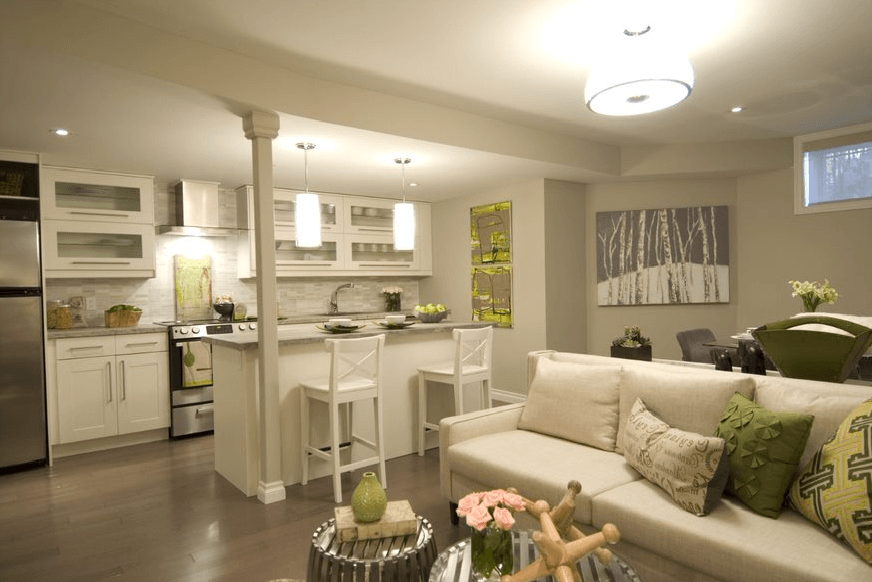
Navigating indoor spaces safely relies heavily on thoughtful lighting choices. Whether you’re moving through hallways at night, guiding children or older adults, or simply aiming to reduce the risk of trips and falls, the right illumination makes a significant difference. This guide explores practical strategies and expert recommendations for lighting for safe indoor navigation, helping you create a home environment that prioritizes both visibility and comfort.
Effective lighting design not only enhances safety but also supports the daily routines of everyone in your household. By understanding the principles behind well-lit pathways, staircases, and entryways, you can make informed decisions about fixtures, placement, and technology. For those interested in extending these principles outdoors, check out lighting for walkways for additional ideas on improving visibility and safety.
Why Indoor Lighting Matters for Safety
Proper illumination is a cornerstone of home safety. Insufficient or poorly placed lights can lead to accidents, especially in areas where changes in elevation or obstacles are common. Lighting for safe indoor navigation ensures that pathways, stairs, and transition zones are clearly visible at all times, reducing the likelihood of slips and falls.
Beyond physical safety, good lighting also supports mental well-being. A well-lit environment feels welcoming and can help reduce anxiety, particularly for those with limited vision or mobility challenges. By prioritizing safety-focused lighting, you create a space that is accessible and comfortable for everyone.
Key Principles for Effective Indoor Lighting
To achieve optimal results, it’s important to understand the core principles that guide safe lighting design indoors. These principles can be applied to any home, regardless of size or layout.
- Layered Lighting: Combine ambient, task, and accent lighting to ensure even coverage and eliminate shadows.
- Consistent Illumination: Avoid abrupt changes in brightness between rooms and hallways to prevent disorientation.
- Glare Reduction: Use diffusers, shades, or indirect lighting to minimize harsh glare that can obscure hazards.
- Color Temperature: Choose bulbs with a color temperature between 2700K and 4000K for comfortable, clear visibility.
- Energy Efficiency: Opt for LED fixtures, which provide bright light with lower energy consumption and longer lifespan.
Best Locations for Safety Lighting Indoors
Not all areas of the home require the same level of illumination. Focus on these critical zones to maximize safety:
- Hallways and Corridors: Continuous lighting along hallways prevents dark spots and helps guide movement, especially at night.
- Staircases: Install step lights or wall-mounted fixtures to clearly mark each tread and riser.
- Entryways and Thresholds: Brighten entrances to reduce the risk of tripping over rugs, shoes, or uneven flooring.
- Bathrooms: Use night lights or motion-activated fixtures for safe nighttime navigation.
- Kitchens: Under-cabinet lighting and overhead fixtures improve visibility during meal prep and cleaning.
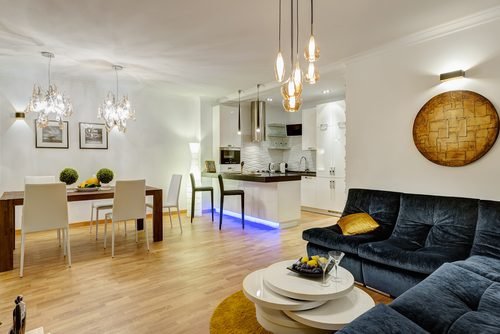
Choosing Fixtures for Safe Navigation
Selecting the right fixtures is essential for supporting safe indoor navigation. Consider the following options to enhance both safety and aesthetics:
- Recessed Lighting: These fixtures provide unobtrusive, even illumination and are ideal for hallways and living spaces.
- Wall Sconces: Mounted at eye level, sconces reduce shadows and add visual interest to corridors and stairwells.
- Motion Sensor Lights: Automatically activate when movement is detected, perfect for bathrooms, closets, and entryways.
- Night Lights: Plug-in or battery-operated night lights offer low-level illumination for bedrooms and bathrooms without disturbing sleep.
- Step Lights: Installed directly into stair risers or along walls, these lights clearly define each step and reduce fall risk.
For more inspiration on specific areas, explore lighting for home offices to see how task lighting can boost both productivity and safety.
Smart Lighting Solutions for Enhanced Safety
Technology has made it easier than ever to maintain a safe indoor environment. Smart lighting systems offer features that adapt to your needs and routines:
- Automated Schedules: Program lights to turn on at dusk or before you arrive home, ensuring you never enter a dark space.
- Remote Control: Use smartphones or voice assistants to adjust lighting from anywhere in your home.
- Dimmable Fixtures: Adjust brightness levels to suit different activities and times of day, minimizing glare and eye strain.
- Integration with Security Systems: Link lighting to alarms or cameras for added peace of mind.
For those interested in learning about the different types of lighting available, this comprehensive overview of home lighting types provides valuable insights into choosing the best options for your space.
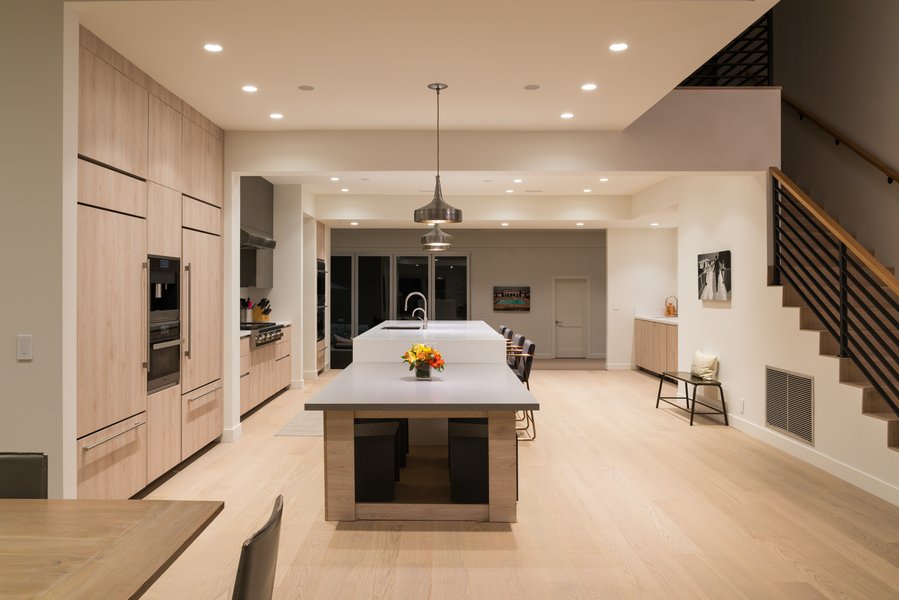
Common Mistakes to Avoid in Indoor Lighting
Even with the best intentions, certain lighting choices can undermine safety. Avoid these pitfalls to ensure your home remains both functional and secure:
- Overlooking Shadowy Areas: Corners, under cabinets, and behind doors often remain dim and can hide obstacles.
- Using Bulbs That Are Too Dim: Insufficient brightness can make it difficult to spot hazards, especially for those with vision impairments.
- Ignoring Color Consistency: Mixing bulbs with different color temperatures can create visual confusion and discomfort.
- Poor Fixture Placement: Lights installed too high, too low, or at odd angles may cast unwanted shadows or glare.
- Neglecting Regular Maintenance: Burned-out bulbs or dirty fixtures reduce effectiveness and should be addressed promptly.
Additional Resources for Lighting and Safety
For more specialized advice, consider exploring lighting for outdoor stairs and lighting for pathways to extend safe navigation principles beyond your home’s interior. If you have a workshop or craft space, lighting for workshops offers tips for creating a well-lit, hazard-free environment.
FAQ: Indoor Lighting for Safe Navigation
What is the best type of light bulb for safe indoor navigation?
LED bulbs are widely recommended due to their brightness, energy efficiency, and long lifespan. Choose bulbs with a color temperature between 2700K and 4000K for clear, comfortable visibility.
How can I improve safety on indoor stairs?
Install step lights or wall-mounted fixtures along the staircase. Ensure each step is evenly illuminated, and consider motion sensor lights for added convenience during nighttime hours.
Are motion sensor lights effective for nighttime navigation?
Yes, motion sensor lights are highly effective. They automatically activate when movement is detected, providing instant illumination without the need to fumble for switches. These are especially useful in hallways, bathrooms, and entryways.
Should I use different lighting for children and older adults?
Both groups benefit from consistent, glare-free lighting. For older adults, prioritize brighter, evenly distributed light to compensate for reduced vision. For children, night lights and low-level illumination in bedrooms and hallways can provide comfort and safety.
How often should I check and maintain my indoor lighting?
Regularly inspect fixtures and bulbs, ideally every few months. Replace burned-out bulbs promptly and clean fixtures to maintain optimal brightness and coverage.