
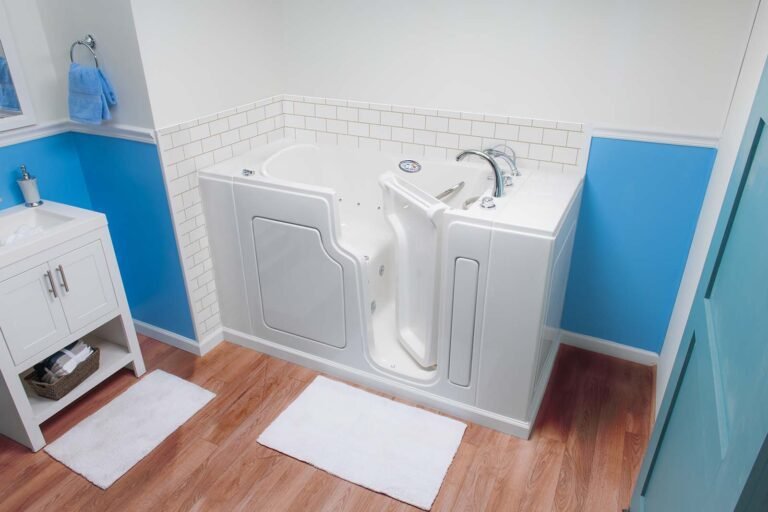
When considering a walk-in bathtub for your home, understanding walk-in tub weight limits and floor reinforcement is essential for both safety and long-term performance. These specialized tubs are designed to provide easier access and greater comfort, especially for seniors and those with mobility challenges. However, their unique construction and the volume of water they hold mean that weight and structural support are critical factors before installation.
This article explores how much weight these tubs can handle, what you need to know about reinforcing your bathroom floor, and how to ensure your installation meets all safety standards. For a broader look at accessible bathing solutions, you may also find our guide on what are walk-in tubs helpful as you start your research.
Why Weight Limits Matter for Walk-In Bathtubs
Every walk-in bathtub has a specified weight capacity, which includes the combined weight of the tub itself, the water it holds, and the person using it. Exceeding these limits can lead to structural damage, leaks, or even safety hazards. Manufacturers typically list weight ratings in their product specifications, and these numbers are not arbitrary—they reflect the safe operating range for the tub’s design and materials.
For most standard models, the weight limit ranges from 300 to 500 pounds, but some bariatric or extra-large tubs can support even more. It’s important to check these details before purchase, especially if multiple users or heavier individuals will be using the tub. If you’re interested in additional safety features, our article on the safety features of walk-in bathtubs provides further insights.
Understanding the Components of Walk-In Tub Weight
The total load a walk-in tub places on your floor is a combination of several factors:
- Empty tub weight: Depending on the material (acrylic, fiberglass, or steel), the tub alone can weigh between 100 and 200 pounds.
- Water weight: A typical walk-in tub holds 40 to 80 gallons of water. Since one gallon of water weighs about 8.34 pounds, this adds 330 to 670 pounds.
- User weight: The person bathing adds to the total load, which must be factored in for safety.
For example, a 150-pound tub filled with 60 gallons of water (500 pounds) and a 200-pound user results in a total load of 850 pounds. This is why floor reinforcement is often necessary, especially in older homes or on upper floors.

Assessing Your Bathroom Floor for Tub Installation
Before installing a walk-in bathtub, it’s crucial to evaluate whether your bathroom floor can handle the increased load. Most modern homes are built to support standard bathtubs, but walk-in models often require additional support due to their higher total weight when filled.
Here are the key steps to assess your floor’s suitability:
- Check joist size and spacing: Floor joists are the main structural elements supporting your tub. Standard joists are usually 2×8 inches spaced 16 inches apart, but you’ll need to confirm this.
- Inspect for damage: Look for signs of rot, sagging, or previous water damage, especially in older homes.
- Calculate load capacity: A structural engineer or qualified contractor can determine if your floor meets the required load-bearing capacity, usually measured in pounds per square foot (psf).
If your floor doesn’t meet the necessary standards, reinforcement will be needed to prevent structural issues and ensure safe use.
How to Reinforce Floors for Heavy Bathtubs
Reinforcing your bathroom floor may sound daunting, but it’s a common upgrade for walk-in tub installations. The process typically involves:
- Adding extra joists: Installing additional joists or sistering existing ones increases the floor’s strength.
- Installing blocking: Short pieces of lumber placed between joists help distribute weight more evenly.
- Upgrading subflooring: Thicker or higher-grade plywood can be installed to further support the tub.
Always consult with a professional contractor or structural engineer before making modifications. Proper reinforcement not only protects your home but also ensures that your walk-in tub remains safe and functional for years to come.
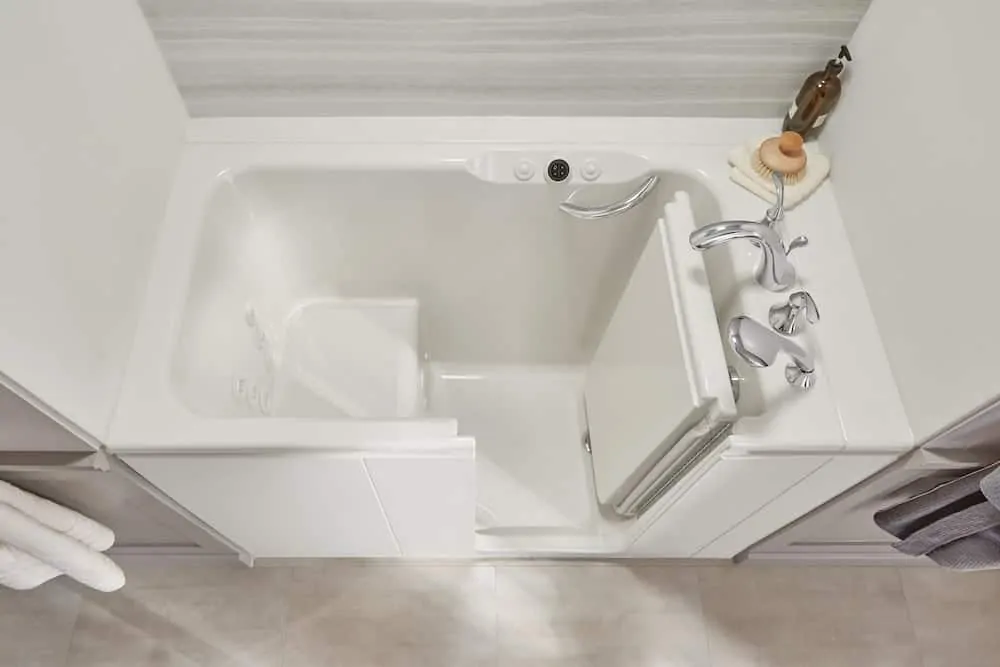
Comparing Walk-In Tub Weight Limits to Standard Bathtubs
Traditional bathtubs, such as alcove or drop-in models, generally have lower weight demands than walk-in tubs. This is due to their smaller water capacity and lighter construction. However, the accessibility and safety features of walk-in tubs make them a popular choice for those seeking to age in place or improve bathroom safety.
If you’re considering alternatives, you might want to learn about the benefits of walk-in showers for seniors, which often require less floor reinforcement and can be a good solution for some households.
Professional Installation and Building Codes
Installing a walk-in tub is not a typical DIY project. Professional installers will ensure your tub is level, properly supported, and compliant with local building codes. These codes may specify minimum floor load requirements, plumbing standards, and even accessibility guidelines.
In some cases, permits are required for bathroom remodels involving heavy fixtures. A reputable contractor will handle these details, ensuring your installation is both safe and legal.
Maintenance Tips for Safe Use
Once your walk-in tub is installed, regular maintenance helps preserve both the tub and your home’s structure. Here are a few tips:
- Inspect seals and caulking: Prevent leaks that could damage the floor below.
- Check for movement: If the tub shifts or creaks, have it inspected to ensure the floor remains sound.
- Clean drains and jets: Keeping these clear prevents water from backing up and causing overflow.
Additional Resources and Alternatives
For those exploring other accessible bathing solutions, walk-in showers are another excellent option. You can read more about their advantages in this detailed overview of walk-in showers from a trusted industry source.
If you’re interested in making your home safer and more comfortable for aging in place, our article on simple home upgrades for elderly comfort offers practical tips beyond the bathroom.
Frequently Asked Questions
What is the average weight limit for a walk-in tub?
Most walk-in bathtubs are rated to support between 300 and 500 pounds, including the user and water. Some models designed for higher capacity can handle more, but always check the manufacturer’s specifications to ensure safe use.
Do I always need to reinforce my bathroom floor for a walk-in tub?
Not every installation requires reinforcement, but it’s common, especially in older homes or on upper floors. A professional assessment is the best way to determine if your floor can handle the added weight or if upgrades are necessary.
Can I install a walk-in tub myself?
While some experienced DIYers may attempt installation, it’s strongly recommended to hire a licensed contractor. Professional installers ensure the tub is properly supported, connected to plumbing, and meets all building codes for safety.
Are there alternatives if my floor can’t be reinforced?
If reinforcing the floor isn’t feasible, consider accessible walk-in showers, which typically require less structural support. Learn more about the benefits of walk-in showers for seniors to see if this solution fits your needs.