
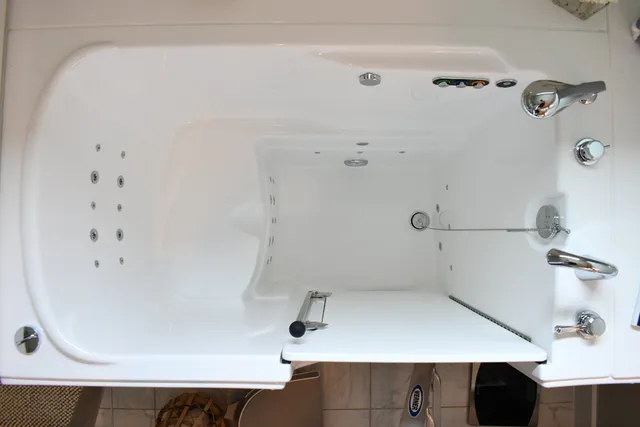
Keeping your walk-in tub in top condition is essential for both safety and comfort. Regular care not only extends the life of your investment but also ensures reliable performance every time you bathe. Whether you rely on your tub for accessibility, therapeutic benefits, or simply peace of mind, following a few practical steps can help you avoid costly repairs and maintain a hygienic environment.
This article shares essential walk-in tub maintenance tips to help you protect your tub’s function and appearance. We’ll cover cleaning routines, preventative measures, and troubleshooting advice, so you can enjoy a safe and relaxing bathing experience for years to come. For those interested in optimizing their bathroom for accessibility, you may also find value in exploring the therapeutic benefits of walk-in showers and related solutions.
Why Routine Care Matters for Walk-In Tubs
Consistent upkeep is the foundation of a long-lasting walk-in tub. Over time, mineral deposits, soap scum, and mildew can build up, affecting both the look and function of your tub. By following a regular maintenance schedule, you can prevent these issues and ensure your tub remains a safe and inviting space.
Neglecting basic care can lead to clogged jets, slippery surfaces, and even mechanical failures. Addressing small issues early helps you avoid bigger problems down the road, saving time and money on repairs. For those with hydrotherapy features, such as air or water jets, keeping these components clean is especially important for optimal performance. If you want a detailed guide on this, see how to clean walk-in tub jets for step-by-step instructions.
Essential Cleaning and Disinfection Practices
One of the most important walk-in tub maintenance tips is establishing a consistent cleaning routine. Here’s how to keep your tub fresh and sanitary:
- Rinse after every use: After bathing, rinse the tub walls and floor with warm water to remove soap residue and body oils.
- Weekly cleaning: Use a mild, non-abrasive cleaner and a soft sponge or cloth to wipe down all surfaces. Avoid harsh chemicals or scouring pads, as these can damage the tub’s finish.
- Disinfect regularly: Once a week, disinfect the tub with a solution of one part white vinegar to two parts water, or use a gentle bathroom disinfectant approved for acrylic surfaces.
- Clean the door seal: Wipe the door gasket with a damp cloth to prevent mold and mildew buildup. Make sure the seal is dry before closing the door.
- Drain and dry: Always drain the tub completely after use and leave the door open for air circulation, helping to prevent moisture-related issues.
Preventing Common Issues and Damage
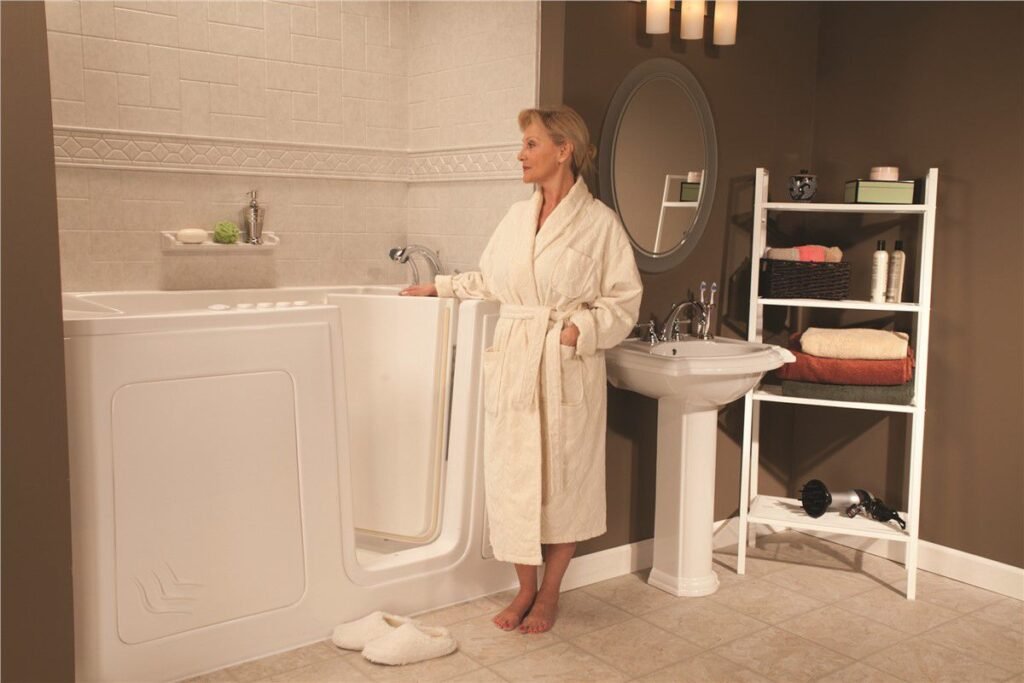
Proactive care is key to avoiding problems that can shorten your tub’s lifespan. Here are some practical steps to prevent wear and tear:
- Check for leaks: Inspect the door seal and plumbing connections regularly. If you notice water pooling outside the tub, address it promptly to prevent water damage.
- Monitor water quality: Hard water can cause mineral buildup on surfaces and inside jets. If you live in an area with hard water, consider installing a water softener to reduce deposits.
- Protect surfaces: Avoid dropping heavy objects into the tub, which could crack or chip the acrylic. Place a non-slip mat on the floor for added safety.
- Maintain moving parts: Lubricate hinges and handles as recommended by the manufacturer. This keeps doors and controls operating smoothly.
- Test safety features: Periodically check grab bars, seats, and anti-slip surfaces to ensure they are secure and in good condition. For guidance on optimal placement, review the safety grab bar placement guide.
Jet and Drain Maintenance for Optimal Performance
Many walk-in tubs feature hydrotherapy jets, which require special attention to maintain their effectiveness. Here are some walk-in tub maintenance tips for jets and drains:
- Flush the jets: Once a month, fill the tub with warm water and add a small amount of mild dish soap. Run the jets for 10–15 minutes, then drain and rinse thoroughly.
- Remove buildup: If you notice reduced jet pressure, check for clogs or mineral deposits. Use a soft brush to gently clean jet openings.
- Keep drains clear: Regularly remove hair and debris from the drain cover to prevent blockages. If the tub drains slowly, use a safe, non-corrosive drain cleaner or a mixture of baking soda and vinegar.
For a detailed walkthrough, refer to the comprehensive advice on how to clean walk-in tub jets.
Seasonal and Annual Maintenance Checklist
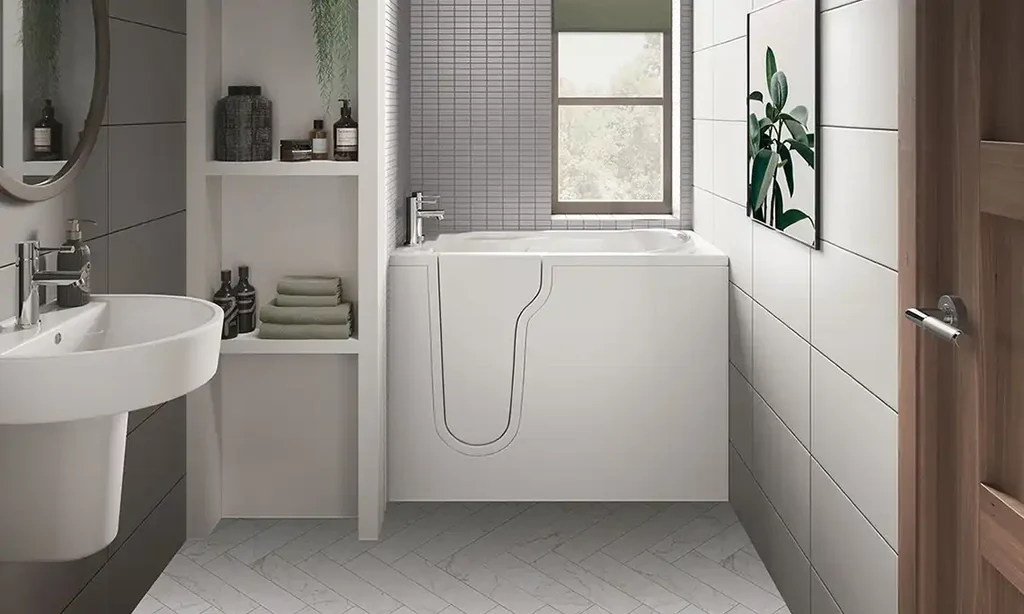
In addition to regular cleaning, certain tasks should be performed seasonally or annually to keep your walk-in tub in peak condition:
- Inspect caulking and seals: Check the caulking around the tub and door for cracks or gaps. Replace or repair as needed to prevent leaks.
- Service mechanical components: Have a qualified technician inspect the tub’s pump, heater, and electrical systems once a year, especially if your tub is used frequently.
- Review manufacturer’s guidelines: Follow the maintenance schedule and recommendations provided in your tub’s user manual. This ensures you don’t miss any model-specific requirements.
- Update accessibility features: As needs change, consider upgrading or repositioning grab bars, seats, or other safety elements. For ideas on modernizing your bathroom, see the best materials for walk-in shower walls for durability and style tips.
Professional Help and Additional Resources
While most maintenance can be handled at home, some situations call for expert assistance. If you encounter persistent leaks, electrical issues, or malfunctioning jets, contact a licensed plumber or the tub manufacturer’s service team. Regular professional inspections can catch hidden problems and help you avoid unexpected breakdowns.
For those considering other accessible bathroom solutions, you may want to compare features such as air jets vs water jets in walk-in tubs to determine which best fits your needs. If you’re exploring options for older adults or those with mobility concerns, walk-in showers for older people offer additional safety and comfort benefits.
Frequently Asked Questions
How often should I clean my walk-in tub?
It’s best to rinse your tub after every use and perform a thorough cleaning at least once a week. Disinfecting and flushing the jets monthly will help maintain hygiene and performance.
What cleaning products are safe for walk-in tubs?
Use mild, non-abrasive cleaners designed for acrylic or fiberglass surfaces. Avoid harsh chemicals, bleach, or abrasive pads, as these can damage the tub’s finish and seals.
How can I prevent mold and mildew in my walk-in tub?
Keep the tub dry by draining it fully after each use and leaving the door open for ventilation. Regularly wipe down seals and corners, and disinfect weekly to inhibit mold growth.
Do I need a professional to service my walk-in tub?
Routine cleaning can be done at home, but it’s wise to have a professional inspect mechanical and electrical components annually, especially if you notice unusual noises, leaks, or reduced jet performance.
Conclusion
By following these practical walk-in tub maintenance tips, you can ensure your tub remains safe, clean, and fully functional for years to come. Consistent care prevents common issues, protects your investment, and supports a comfortable bathing experience. For more guidance on accessible bathroom solutions, explore the related resources linked throughout this article.