
Creating a safe and comfortable living environment often starts with the right lighting choices. As homeowners seek to reduce energy costs and environmental impact, integrating lighting for energy-efficient safety becomes a smart and practical approach. Well-designed illumination not only helps prevent accidents and injuries but also enhances the overall ambiance of your home—all while keeping utility bills in check.
This guide explores practical strategies and product recommendations for boosting both safety and efficiency in your home’s lighting plan. From selecting the best fixtures to optimizing placement and controls, you’ll find actionable advice to help you make informed decisions. For those interested in bathroom safety upgrades, understanding the importance of walk-in shower grab bar weight ratings can further enhance your home’s accessibility and security.

Why Prioritize Efficient and Safe Illumination?
Combining safety with energy savings is not just about reducing electricity usage—it’s about creating a home where every family member can move confidently, day or night. Poorly lit areas are a common cause of slips, trips, and falls, especially for children, seniors, or anyone with limited mobility. By choosing energy-efficient lighting for safety, you address these risks while minimizing your carbon footprint.
- Lower utility bills: Modern LED and smart lighting options consume far less power than traditional bulbs.
- Reduced maintenance: Longer-lasting bulbs mean fewer replacements and less hassle.
- Enhanced security: Well-lit exteriors and entryways deter intruders and make it easier to navigate at night.
- Improved comfort: Proper lighting reduces eye strain and creates a welcoming atmosphere.
Top Strategies for Lighting That’s Both Safe and Efficient
Upgrading your fixtures and layout doesn’t have to be complicated. The following sections cover essential tips and product types that deliver both safety and efficiency throughout your home.
1. Choose LED Fixtures for Every Room
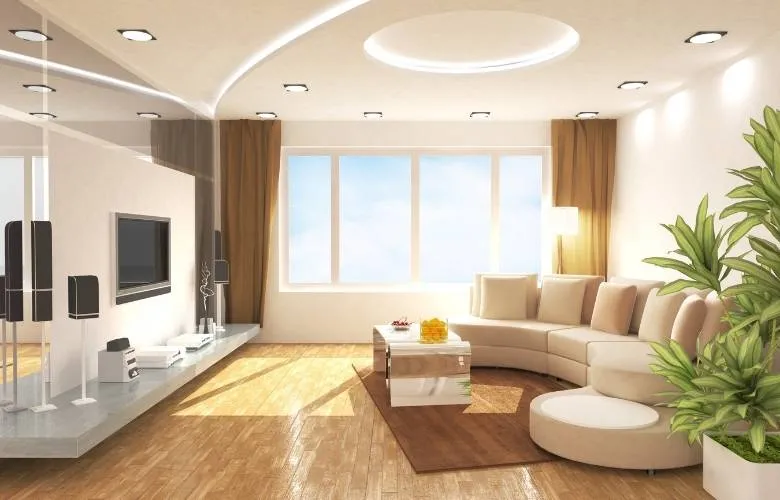
LEDs are the gold standard for lighting for energy-efficient safety. They use up to 80% less energy than incandescent bulbs and last significantly longer. Modern LED fixtures come in a wide variety of shapes, brightness levels, and color temperatures, making them suitable for hallways, staircases, bathrooms, and outdoor spaces.
2. Install Motion Sensor and Night Lights
Motion-activated lighting is a practical solution for hallways, bathrooms, and entryways. These lights only turn on when movement is detected, providing safety without wasting electricity. Night lights with built-in sensors are especially useful for children’s rooms and for anyone who may need to get up during the night.
For extra convenience, look for models that allow you to adjust brightness and color temperature. This ensures you have enough light to see clearly without disrupting sleep or creating glare.
3. Optimize Placement for Maximum Safety
Strategic placement is key to effective energy-efficient safety lighting. Focus on illuminating:
- Staircases and steps: Use wall-mounted or recessed fixtures to highlight each tread.
- Entryways and porches: Bright, motion-activated lights deter intruders and help guests find their way.
- Pathways and driveways: Low-voltage LED path lights provide guidance while using minimal power.
- Bathrooms: Consider waterproof LED strips or sconces near mirrors and showers for clear visibility.
4. Use Smart Controls and Dimmers
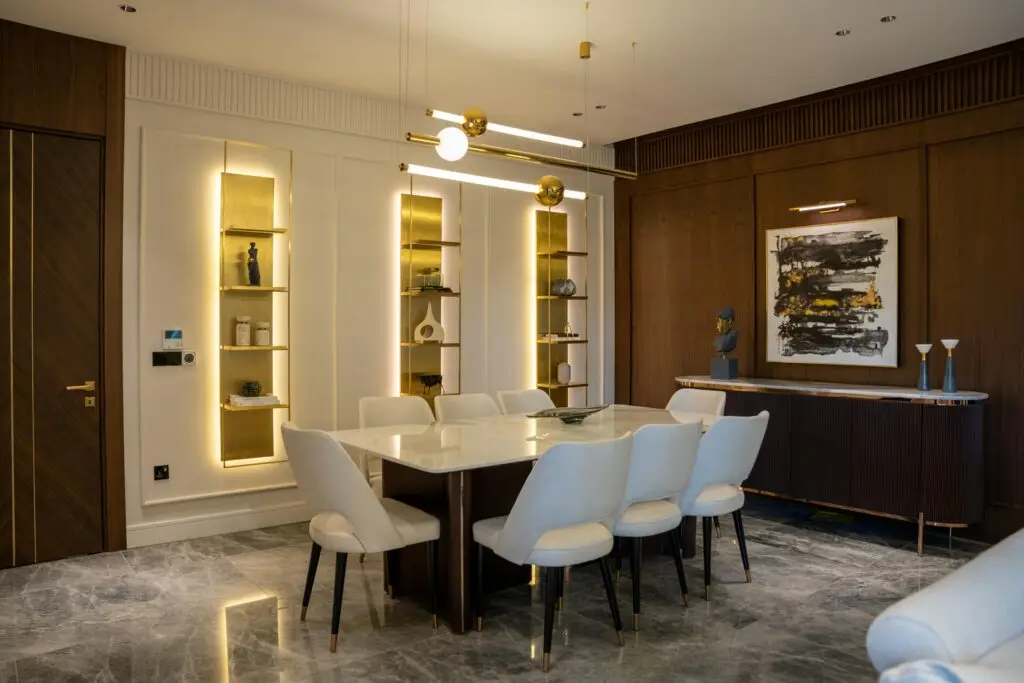
Smart lighting systems allow you to automate schedules, control brightness, and even adjust color temperature based on the time of day. Dimmers help save energy by letting you use only as much light as needed, while timers can ensure lights are never left on by accident.
Many smart bulbs and switches can be controlled via smartphone apps or voice assistants, making it easier to adapt your lighting to your family’s routines and preferences.
Room-by-Room Recommendations
Every area of your home has unique lighting needs. Here’s how to apply energy-efficient safety lighting principles in different spaces:
- Hallways and Stairs: Install recessed or flush-mount LED fixtures. Consider motion sensors for automatic activation.
- Kitchens: Use under-cabinet LED strips for task lighting and overhead LEDs for general illumination.
- Bathrooms: Waterproof LED sconces or vanity lights provide clear, shadow-free lighting.
- Bedrooms: Add dimmable bedside lamps and motion-sensor night lights for safe nighttime navigation.
- Outdoor Areas: Use solar-powered or low-voltage LED path lights, and motion-activated floodlights for entrances and driveways.
Maintenance Tips for Long-Term Efficiency
To keep your lighting system running smoothly and efficiently:
- Regularly clean fixtures and bulbs to maximize brightness and efficiency.
- Replace old or flickering bulbs promptly with modern LED alternatives.
- Check that motion sensors and timers are working correctly and adjust settings as needed.
- Review your lighting setup annually to identify areas for further improvement.
Frequently Asked Questions
What are the best types of bulbs for energy-efficient safety lighting?
LED bulbs are the top choice due to their low energy consumption, long lifespan, and wide range of brightness and color options. They are suitable for nearly every room and application, from task lighting to outdoor security.
How can I make my outdoor lighting both safe and efficient?
Use motion-activated LED floodlights for entrances and driveways, and solar-powered or low-voltage LED path lights for walkways. These options provide ample illumination only when needed, reducing wasted energy.
Are smart lighting systems worth the investment for safety and efficiency?
Yes, smart lighting allows for automation, remote control, and energy-saving features like scheduling and dimming. They can enhance both convenience and safety, especially when integrated with sensors or voice controls.