
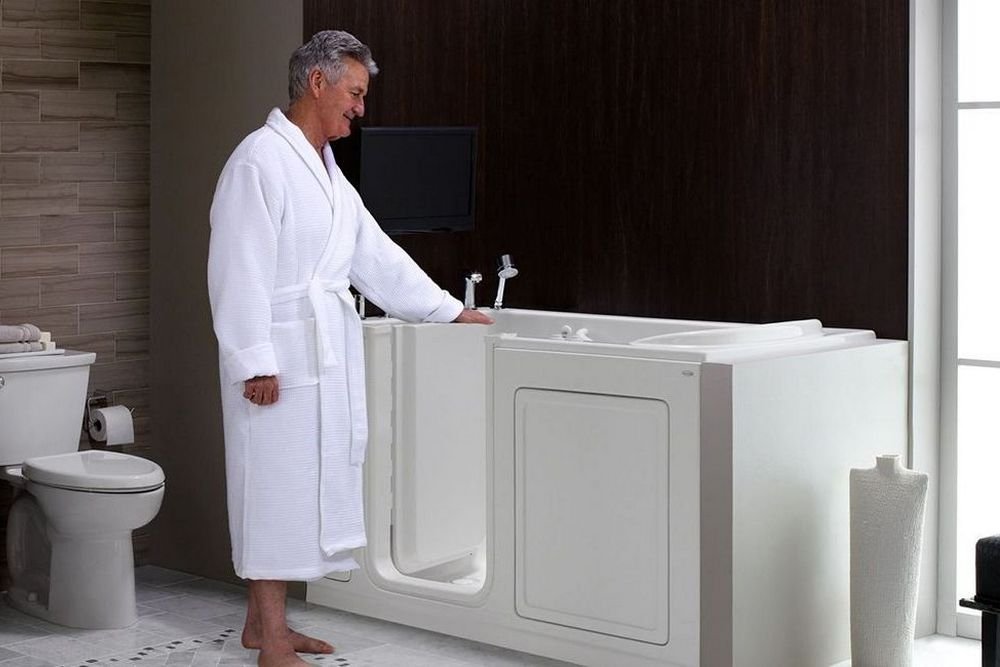
Upgrading to a walk-in tub can make bathing safer and more accessible, especially for seniors or anyone with mobility challenges. Before purchasing a new tub, it’s essential to gather accurate measurements of your bathroom to ensure a proper fit and a smooth installation process. This guide outlines the steps and considerations for how to measure a bathroom for a walk-in tub, helping you avoid costly mistakes and installation delays.
Whether you’re replacing an existing bathtub or remodeling your bathroom for accessibility, precise measurements are the foundation of a successful project. Understanding the process will help you communicate effectively with installers and select the right product for your space. For those comparing other accessible bathing options, you may also find our article on walk-in shower vs curbless shower helpful for evaluating safety and style.
Why Accurate Measurements Matter for Walk-In Tub Installation
Getting the right measurements is not just about fitting the tub into the available space. It also ensures that the installation meets safety standards, aligns with plumbing, and avoids expensive modifications. Walk-in tubs are typically larger and heavier than standard bathtubs, so knowing your bathroom’s dimensions will help you choose a model that fits comfortably and functions as intended.
Inaccurate measurements can lead to:
- Delays in installation due to unexpected obstacles
- Additional costs for structural changes or plumbing adjustments
- Reduced accessibility if the tub is too large or too small for the space
- Potential code violations or safety hazards
Essential Tools for Measuring Your Bathroom
Before you begin, gather these basic tools to ensure precise results:
- Tape measure (preferably at least 25 feet)
- Pencil and notepad for recording measurements
- Level (to check for floor and wall evenness)
- Camera or smartphone (optional, for documenting the space)
Step-by-Step Guide: Measuring for a Walk-In Tub
Follow these steps to collect all the necessary dimensions for your new walk-in tub:
1. Measure the Existing Tub Space
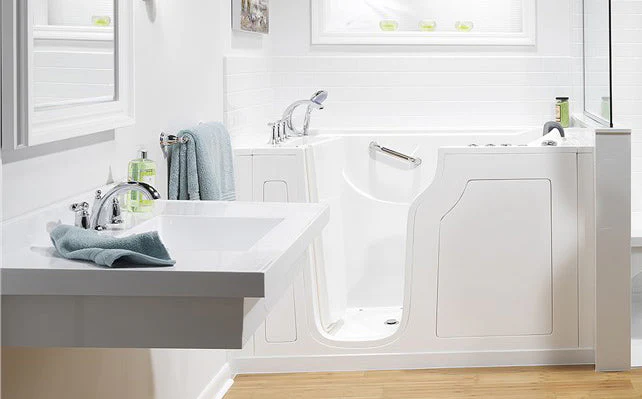
If you’re replacing an existing bathtub, start by measuring its length, width, and height. These dimensions provide a baseline for selecting a walk-in tub that can fit into the same footprint.
- Length: Measure from one end of the tub to the other, along the wall.
- Width: Measure from the back wall to the front edge of the tub.
- Height: Measure from the floor to the top edge of the tub.
2. Check Doorways and Hallways
Walk-in tubs are often delivered as a single unit. Measure all doorways, hallways, and turns from the entryway to the bathroom to ensure the tub can be transported without issue. Record the width and height of each doorway and note any tight corners.
3. Measure the Bathroom Layout
Next, assess the overall bathroom dimensions:
- Room width and length: Measure wall-to-wall in both directions.
- Ceiling height: Especially important if you plan to add features like showerheads or enclosures.
- Distance to fixtures: Note the space between the tub area and other fixtures (toilet, sink, cabinets) to ensure accessibility and code compliance.
4. Locate Plumbing and Electrical Connections
Identify where the current plumbing lines (water supply and drain) are located. Some walk-in tubs require electrical connections for features like jets or heated seats. Make note of:
- Drain location (left, right, or center)
- Water supply lines
- Electrical outlets or access panels
5. Account for Obstacles and Clearance
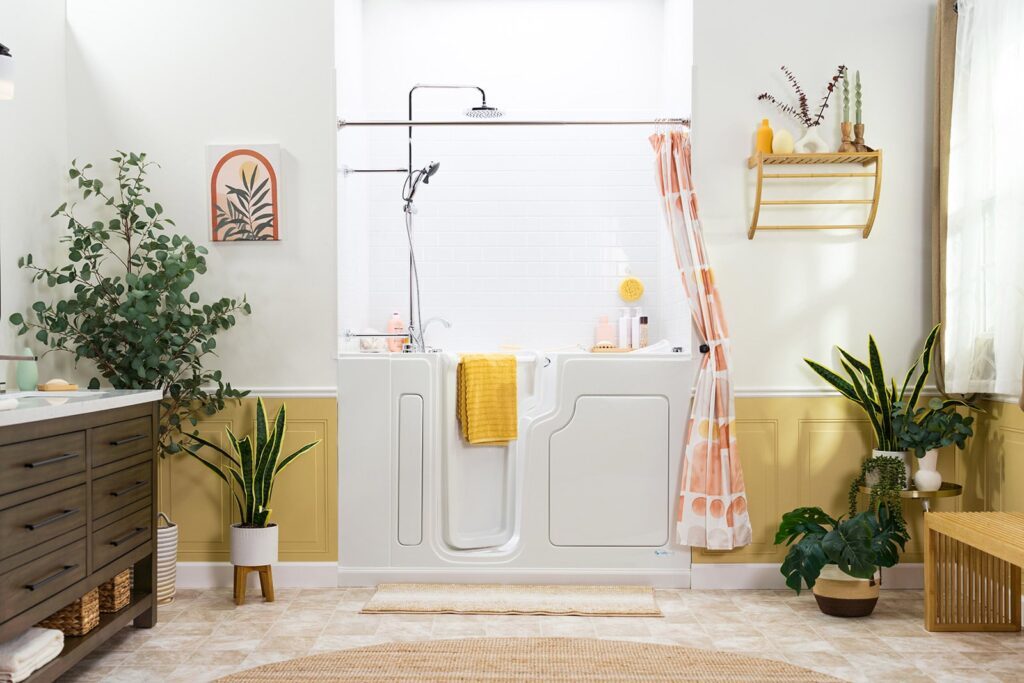
Check for any obstructions such as radiators, towel bars, or windows that could interfere with the installation. Walk-in tubs often have outward-opening doors, so ensure there’s enough clearance for safe entry and exit.
Tips for a Smooth Walk-In Tub Replacement
- Double-check all measurements before ordering your tub. Even a small error can cause major installation headaches.
- Consult with a professional installer if you have unique bathroom features or an older home with non-standard dimensions.
- Consider future needs, such as grab bars or additional safety features. Our article on safety features of walk-in bathtubs provides a helpful overview.
- Keep a record of your measurements and take photos to share with your contractor or supplier.
Common Measurement Mistakes to Avoid
- Forgetting to measure doorways and hallways, resulting in delivery issues
- Ignoring the location of plumbing and electrical connections
- Not accounting for the swing of the tub door or nearby obstacles
- Measuring only the old tub and not the entire bathroom layout
Additional Resources for Accessible Bathing Projects
For more information on accessible bathroom upgrades, maintenance, and cleaning, explore these related guides:
If you’re interested in comparing accessible showers for older adults, this overview of walk-in showers for seniors provides practical insights on safety and design.
Frequently Asked Questions
What are the standard dimensions for a walk-in tub?
Most walk-in tubs are between 52 to 60 inches long, 28 to 32 inches wide, and 38 to 47 inches high. However, sizes can vary, so always check the manufacturer’s specifications and compare them with your bathroom’s measurements.
Can I install a walk-in tub in a small bathroom?
Yes, many manufacturers offer compact models designed for smaller spaces. Accurate measurement is especially important in tight bathrooms to ensure the tub fits and the door can open fully without obstruction.
Do I need to move plumbing to install a walk-in tub?
In many cases, walk-in tubs are designed to fit into the same space as a standard bathtub, using existing plumbing. However, if your drain or water supply lines are in a different location, some modifications may be necessary. Consult with a professional to assess your specific situation.