
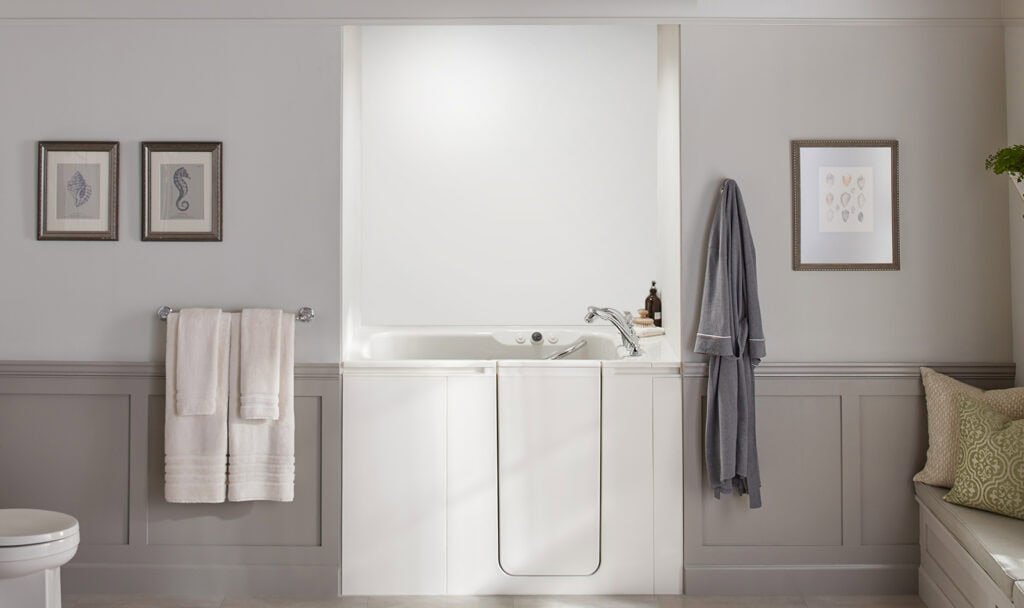
When considering a walk-in tub for your home, one of the most important decisions is choosing between air jets and water jets. Both systems offer therapeutic benefits, but they work differently and provide unique experiences. Understanding the distinctions between these two types of hydrotherapy can help you select the best option for your needs, comfort, and long-term satisfaction.
This article explores the differences, advantages, and drawbacks of air and water jet systems in walk-in bathtubs. We’ll also cover maintenance, safety, and practical considerations to help you make an informed choice. For those interested in optimizing bathroom safety, the safety grab bar placement guide is a valuable resource to complement your new tub.
How Air Jet and Water Jet Systems Work
The core difference between air and water jets lies in how they deliver their massage effects. Air jets use a blower to push warm air through small holes around the tub, creating thousands of gentle bubbles that surround your body. In contrast, water jets use a pump to circulate water through larger jets, producing a more forceful and targeted massage.
- Air Jet Tubs: Feature multiple small openings that release streams of air, resulting in a soft, effervescent sensation.
- Water Jet Tubs: Use fewer, larger jets that shoot water directly onto specific areas, offering a deep-tissue massage effect.
Benefits of Air Jet Walk-In Tubs
Air jet systems are favored for their gentle, soothing experience. The bubbles produced are less intense than water jets, making them ideal for individuals with sensitive skin, joint pain, or conditions like fibromyalgia.
- Gentle Full-Body Massage: The air bubbles provide a calming sensation that envelops the entire body.
- Lower Maintenance: Air jets are less prone to residue buildup, making cleaning easier. For more details on keeping your tub in top shape, see the how to clean walk-in tub jets guide.
- Reduced Risk of Mold and Bacteria: Since only air passes through the jets, there is less moisture left behind, minimizing the risk of microbial growth.
- Suitable for Sensitive Users: The mild massage is less likely to irritate delicate skin or exacerbate certain health conditions.
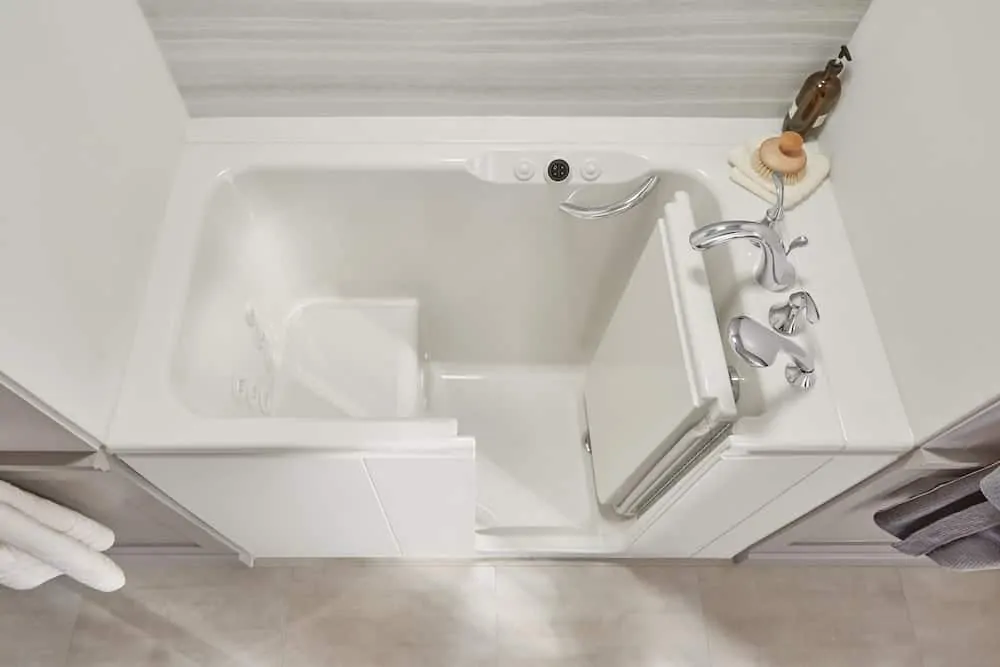
Advantages of Water Jet Walk-In Bathtubs
Water jet systems are designed for those who prefer a more vigorous hydrotherapy session. The targeted streams can help relieve muscle tension, soreness, and stiffness, making them popular among users seeking therapeutic relief.
- Deep Tissue Massage: Water jets can be directed at specific muscle groups, providing a powerful massage that helps with recovery and pain management.
- Adjustable Intensity: Many tubs allow users to control the strength and direction of the water jets for a customized experience.
- Effective for Chronic Pain: The strong water flow can be especially beneficial for arthritis, sports injuries, or chronic back pain.
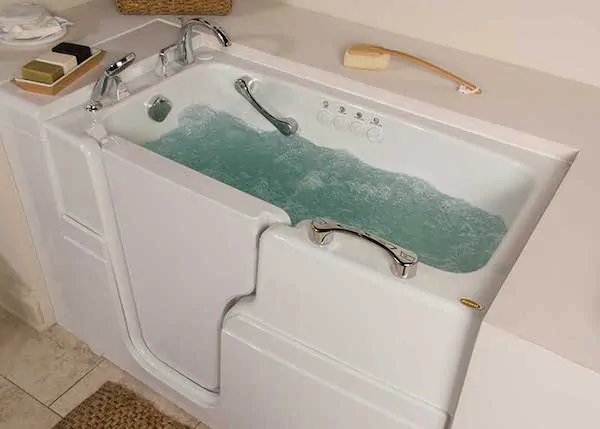
Comparing Maintenance and Cleaning Needs
Maintenance is a crucial factor when deciding between air and water jet systems. Air jet tubs generally require less upkeep since only air moves through the system, reducing the risk of soap scum and mineral deposits. Water jet tubs, however, need regular cleaning to prevent buildup inside the pipes and jets.
- Air Jet Tubs: Easier to clean, with fewer internal components exposed to water and debris.
- Water Jet Tubs: Require periodic flushing and disinfecting to avoid bacterial growth and maintain optimal performance.
For step-by-step instructions on keeping your tub hygienic, refer to the walk-in tub jet cleaning guide.
Safety and Accessibility Considerations
Both air and water jet walk-in tubs are designed with safety in mind, featuring low thresholds, non-slip floors, and built-in seating. However, the type of jet system can affect user comfort and accessibility.
- Air Jet Tubs: The gentle action is less likely to cause discomfort for those with sensitive skin or circulation issues.
- Water Jet Tubs: The stronger massage may be too intense for some users, but it can provide significant relief for others.
To further enhance bathroom safety, consider reviewing the top safety features of walk-in bathtubs for senior independence.
Cost Differences and Value for Money
Pricing can vary widely depending on the brand, features, and installation requirements. Generally, air jet systems are slightly less expensive than water jet models due to simpler mechanics. However, high-end tubs with advanced features or combination systems (offering both air and water jets) can command premium prices.
- Air Jet Tubs: Often more affordable upfront and may save on long-term maintenance costs.
- Water Jet Tubs: Higher initial investment but may offer greater therapeutic benefits for those who need targeted relief.
Which Jet System Is Right for You?
The best choice depends on your health needs, preferences, and budget. If you value a gentle, relaxing soak and easy maintenance, an air jet walk-in tub may be ideal. For those seeking a powerful massage to address chronic pain or muscle tension, a water jet system could be the better fit.
Some manufacturers offer combination tubs, allowing users to switch between air and water jets for a customized experience. When making your decision, consider consulting with a healthcare provider or occupational therapist to ensure the tub meets your specific requirements.
Additional Considerations for Walk-In Tub Buyers
Beyond the jet system, think about other features such as door design, control accessibility, and compatibility with your bathroom layout. If you’re also considering a walk-in shower, you may find this comprehensive guide to walk-in showers helpful for comparing options.
For those interested in bathroom renovations, learning about the best materials for walk-in shower walls can help you create a space that is both durable and stylish.
FAQ
Are air jet walk-in tubs quieter than water jet models?
Yes, air jet systems typically operate more quietly than water jet tubs. The blower in an air jet tub produces less noise compared to the pump used in water jet systems, making for a more peaceful bathing experience.
Can I use bath oils or salts in either type of jet tub?
Bath oils and salts are generally safe for air jet tubs since they are less likely to clog the jets. For water jet tubs, always check the manufacturer’s recommendations, as some additives can cause buildup in the pipes and affect performance.
Which jet system is better for arthritis or joint pain?
Both air and water jet tubs can help with arthritis and joint pain, but water jets provide a more targeted, deep-tissue massage that some users find more effective. However, those with sensitive joints may prefer the gentler action of air jets.
How often should I clean the jets in my walk-in tub?
Regular cleaning is important for both types of tubs. Air jet systems require less frequent maintenance, while water jet tubs should be cleaned every few weeks or as recommended by the manufacturer. For detailed instructions, refer to the walk-in tub jet cleaning guide.
Is it possible to retrofit an existing tub with air or water jets?
Retrofitting a standard bathtub with air or water jets is complex and not always feasible. Most walk-in tubs are designed and manufactured with integrated jet systems to ensure safety and performance.