
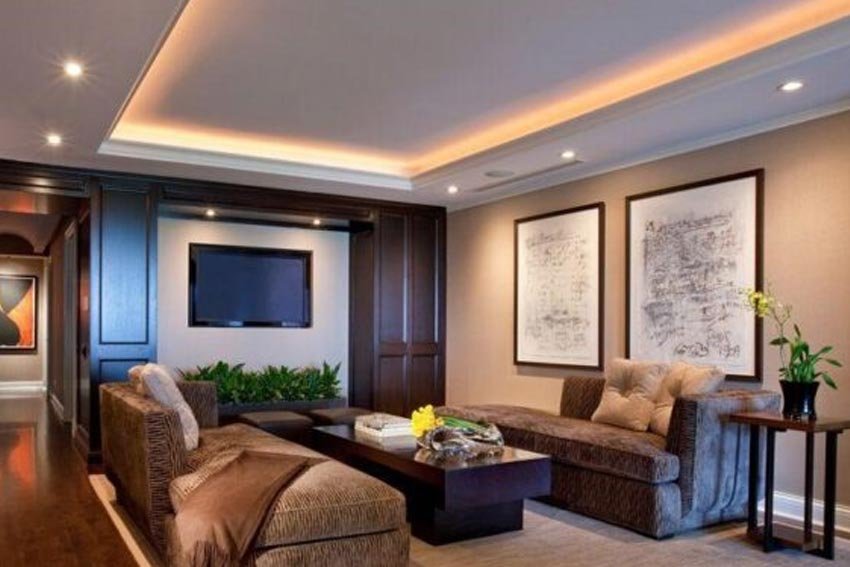
Creating a peaceful environment is essential for effective meditation. The right lighting for meditation areas can transform any room into a sanctuary for relaxation, mindfulness, and inner calm. Whether you’re setting up a dedicated meditation room or carving out a tranquil corner in your home, understanding how to use light to foster both serenity and safety is key.
This article explores the principles of ambient illumination, practical fixture choices, and safety considerations for designing a soothing meditation zone. We’ll also highlight the importance of adaptable lighting, energy efficiency, and how to blend aesthetics with function for a truly restorative space.
When planning your meditation environment, it’s helpful to consider accessibility and comfort, especially if the space is used by people with mobility needs. For example, integrating safety features—such as those discussed in our guide on walk-in shower grab bar weight ratings—can inspire similar attention to detail in your meditation area, ensuring both peace of mind and physical support.
Principles of Lighting for Mindful Spaces
The foundation of a calming meditation environment lies in its lighting. Soft, indirect illumination helps signal the brain to relax, while harsh or flickering lights can disrupt focus and tranquility. Here are a few guiding principles:
- Indirect light is preferable—think cove lighting, wall sconces, or lamps with diffusers.
- Adjustable brightness allows you to tailor the ambiance for different times of day or meditation styles.
- Warm color temperatures (2700K–3000K) foster a sense of comfort and relaxation.
- Minimize glare and avoid direct exposure to bulbs to protect your eyes and maintain a soothing mood.
For a deeper understanding of the types of illumination and their effects, you can refer to this comprehensive guide to lighting types.
Choosing Fixtures for Meditation Areas
Selecting the right fixtures is crucial for achieving the desired atmosphere. Here are some popular options for lighting for meditation areas that balance style, function, and safety:
- LED recessed lights: These provide even, unobtrusive illumination and can be dimmed for softer moods.
- Table lamps with fabric shades: Offer gentle, localized light that’s easy on the eyes.
- Wall sconces: Mounted at eye level, they create a wash of light that enhances the sense of calm.
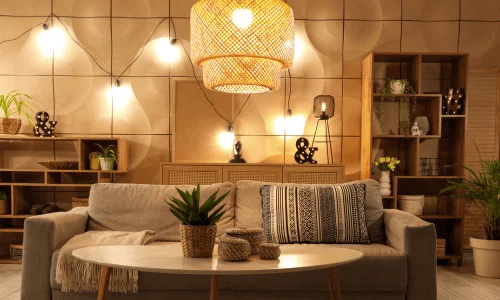
- String lights or fairy lights: Add a whimsical, gentle glow, perfect for evening meditation sessions.
- Motion sensor night lights: Enhance safety for nighttime use without disturbing the peaceful setting.
Creating a Safe and Accessible Meditation Environment
Safety is just as important as ambiance in any relaxation space. Here are practical steps to ensure your meditation area is both calming and secure:
- Keep pathways clear and free of tripping hazards, especially if you meditate in low light.
- Use motion-activated night lights to guide safe movement after dark.
- Install dimmer switches or smart bulbs for easy control over brightness without needing to get up.
- Secure cords and cables from lamps or string lights to prevent accidents.
- Choose fixtures with cool-to-the-touch surfaces, particularly if you meditate on the floor or near the light source.
If your meditation area is part of a bathroom or near water, consider reviewing best practices for safety and support, such as those found in resources about walk-in tub frame construction types.
Optimizing Light Quality and Energy Efficiency
Beyond ambiance, the quality and efficiency of your lighting setup can impact both your well-being and your energy bills. Here’s how to optimize both:
- Opt for LED bulbs—they’re energy-efficient, long-lasting, and available in a range of color temperatures.
- Layer different types of light (ambient, task, accent) to create a versatile and adaptable environment.
- Use natural daylight where possible, but soften it with sheer curtains or blinds to prevent harsh glare.
- Consider smart lighting systems that allow you to adjust color and brightness with your voice or smartphone.
Personalizing Your Meditation Lighting
Every meditation practice is unique, and your lighting should reflect your personal preferences and needs. Here are some ways to customize your setup:
- Experiment with colored LED bulbs—soft purples, blues, or greens can enhance mood and focus.
- Incorporate candles or salt lamps for a warm, flickering glow (always use with care and never leave unattended).
- Adjust lighting based on the time of day: brighter in the morning for energy, dimmer in the evening for winding down.
- Use blackout curtains if you need to block outside distractions and create a cocoon-like space.
Remember, the goal is to create an environment that supports your mindfulness journey. The right lighting can help you enter a meditative state more easily and make your practice more enjoyable.
Frequently Asked Questions
What type of lighting is best for meditation rooms?
Soft, indirect light is generally best for meditation rooms. Options like LED recessed lights, wall sconces, or lamps with diffusers create a gentle ambiance that promotes relaxation. Dimmable fixtures allow you to adjust brightness to suit your mood and time of day.
How can I make my meditation area safer at night?
Using motion sensor night lights or low-level LED lighting can help you navigate safely without disrupting your peaceful setting. Ensure that all cords are secured and pathways are clear to prevent tripping hazards.
Are there energy-efficient options for meditation lighting?
Yes, LED bulbs are highly energy-efficient and come in a variety of color temperatures and brightness levels. Smart lighting systems can further optimize energy use by allowing you to control lights remotely or set schedules.
Can I use natural light in my meditation space?
Natural daylight can be very soothing, but it’s important to diffuse it with sheer curtains or blinds to avoid harsh glare. Combining natural and artificial light gives you the flexibility to create the perfect ambiance at any time.
Thoughtful lighting for meditation areas not only enhances tranquility but also ensures safety and accessibility. By selecting the right fixtures, optimizing light quality, and personalizing your setup, you can create a sanctuary that supports your mindfulness practice for years to come.