
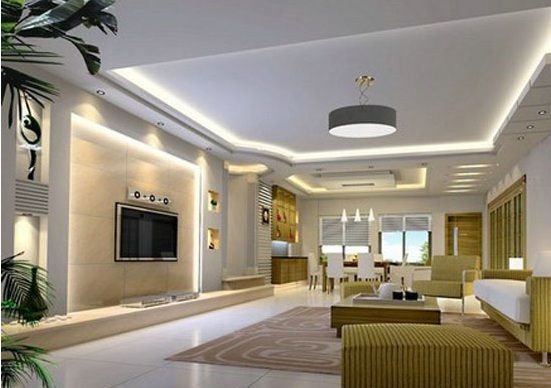
Proper lighting for accident prevention is one of the most effective ways to make your living spaces safer for everyone. Many household mishaps, from slips and falls to stubbed toes, can be traced back to poor visibility. By understanding how to optimize illumination in key areas, you can significantly lower the risk of injuries—especially for children, older adults, and anyone with limited mobility.
This article explores practical strategies for improving visibility throughout your home. You’ll learn which areas to prioritize, what types of fixtures and bulbs work best, and how to use modern lighting technology to create a safer environment. Along the way, we’ll also highlight related safety measures, such as walk-in shower grab bar weight ratings, to help you build a comprehensive approach to home safety.
Why Home Lighting Matters for Safety
Insufficient or poorly placed lights are a leading cause of domestic accidents. Darkness and shadows can hide hazards like loose rugs, uneven flooring, or objects left on the ground. For older adults, vision changes make it even more important to have clear, consistent lighting in every room and hallway.
Effective lighting for accident prevention goes beyond simply adding more lamps. It involves choosing the right fixtures, placing them strategically, and ensuring they deliver the right amount of brightness without glare. Good lighting also supports other safety features, such as grab bars and non-slip surfaces, by making them easier to see and use.
Key Areas to Prioritize for Safer Illumination
Not all rooms present the same level of risk. Focus your efforts on these high-priority areas to maximize the impact of your safety improvements:
- Entryways and Hallways: These are common sites for trips and falls, especially at night. Install bright, evenly distributed lights to eliminate shadows and highlight thresholds or steps.
- Staircases: Every step should be clearly visible. Consider wall-mounted sconces or LED strip lights along the handrail for added visibility.
- Bathrooms: Wet floors and hard surfaces increase the risk of injury. Use moisture-resistant fixtures and ensure the shower, toilet, and sink areas are well-lit. For more on bathroom safety, see our guide to walk-in tub frame construction types.
- Kitchens: Sharp tools and hot surfaces demand excellent lighting. Under-cabinet lights can reduce shadows on countertops, making food prep safer.
- Outdoor Paths and Steps: Motion-activated lights or solar-powered path lights can prevent accidents after dark.
Choosing the Right Fixtures and Bulbs
The type of lighting you select can make a big difference in accident prevention. Here are some tips for selecting fixtures and bulbs that enhance safety:
- LED Bulbs: These provide bright, energy-efficient light and last much longer than traditional bulbs. They’re ideal for areas where consistent illumination is critical.
- Recessed Lighting: Flush with the ceiling, these fixtures reduce clutter and provide even coverage. They’re especially useful in hallways and kitchens.
- Night Lights: Plug-in or motion-sensor night lights are perfect for bathrooms, bedrooms, and hallways, offering guidance without disturbing sleep.
- Task Lighting: Focused lights, such as desk lamps or under-cabinet strips, help illuminate specific work areas and reduce eye strain.
- Dimmers: Adjustable brightness allows you to tailor lighting to different needs and times of day, reducing glare and improving comfort.
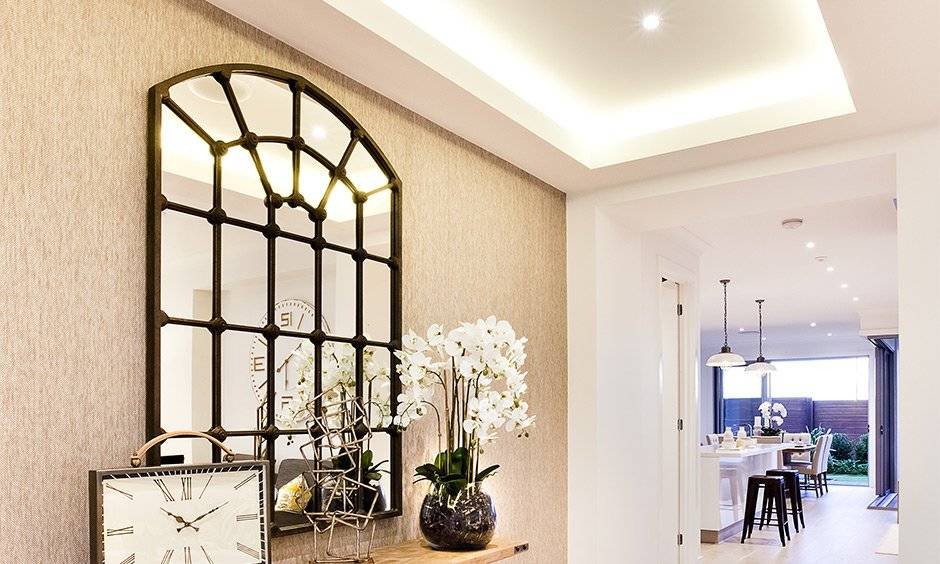
Smart Lighting Solutions for Modern Homes
Advances in home technology have made it easier than ever to create a safer living environment. Smart lighting systems allow you to automate schedules, control brightness, and even adjust color temperatures for optimal visibility.
- Motion Sensors: These automatically turn lights on when someone enters a room or approaches a staircase, reducing the chance of accidents in the dark.
- Voice-Activated Controls: For those with limited mobility, voice commands can make it easy to adjust lighting without needing to reach switches.
- Remote and App Controls: Manage all your lights from a smartphone or tablet, ensuring you never have to walk through a dark room.
For a deeper dive into the types of lighting available and how they can be used for both function and style, check out this comprehensive overview of home lighting types.
Tips for Maintaining Safe Lighting
Even the best lighting plan requires regular maintenance to remain effective. Here are a few simple steps to keep your home well-lit and safe:
- Replace burnt-out bulbs promptly, especially in high-traffic areas.
- Clean fixtures and covers to maximize brightness and reduce shadows.
- Check for loose wires or flickering lights, which can signal electrical issues.
- Test motion sensors and timers regularly to ensure they’re working as intended.
- Review your lighting setup periodically, especially after renovations or changes in household needs.
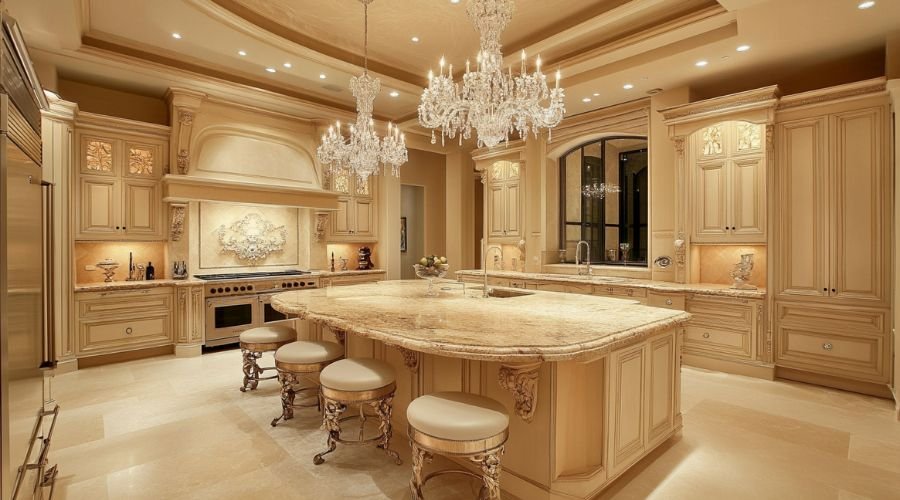
Integrating Lighting with Other Home Safety Features
While optimizing lighting for accident prevention is crucial, it’s most effective when combined with other safety measures. For example, in bathrooms and showers, pairing bright, glare-free lighting with sturdy grab bars and non-slip mats can dramatically reduce fall risk. If you’re considering upgrades, our resource on walk-in tub insurance coverage can help you understand your options.
In kitchens and laundry rooms, ensure that lighting highlights potential hazards such as wet floors or sharp edges. In bedrooms, use soft, indirect lighting to help with nighttime navigation without disrupting sleep cycles.
Frequently Asked Questions
What is the best type of lighting for preventing accidents in hallways and stairs?
Bright, evenly distributed lighting is essential for hallways and stairs. Recessed LED fixtures or wall-mounted sconces work well, and adding motion sensors ensures lights are always on when needed. Avoid harsh glare by choosing bulbs with a color temperature between 2700K and 3000K.
How can I make my bathroom safer with lighting?
Use moisture-resistant fixtures and ensure all areas—especially the shower, toilet, and sink—are well-lit. Night lights or motion-sensor lights can provide guidance during nighttime visits. Pairing lighting upgrades with features like grab bars and non-slip mats further enhances safety.
Are smart lighting systems worth the investment for accident prevention?
Yes, smart lighting systems offer significant benefits for safety. Automated schedules, motion sensors, and remote controls make it easier to keep spaces well-lit without manual effort. They are especially helpful for older adults or anyone with mobility challenges.
Conclusion
Thoughtful lighting for accident prevention can make a substantial difference in the safety and comfort of your home. By focusing on high-risk areas, choosing the right fixtures, and integrating modern technology, you can reduce the likelihood of injuries for everyone in your household. Combine these lighting strategies with other proven safety measures for the most comprehensive protection.