
Choosing between a walk-in tub and a walk-in shower is a significant decision for homeowners, especially those seeking safer and more accessible bathing options. Both solutions offer unique benefits, and understanding the differences can help you select the best fit for your needs, lifestyle, and space. This walk-in tub vs walk-in shower comparison explores key features, safety considerations, installation factors, and cost implications so you can make an informed choice.
For those interested in broader home accessibility, you might also find value in exploring simple home upgrades for elderly comfort, which covers additional ways to improve safety and convenience throughout your living space.
Understanding the Basics: Walk-In Tub and Walk-In Shower Features
When evaluating walk-in tub vs walk-in shower comparison options, it’s important to understand the core features of each:
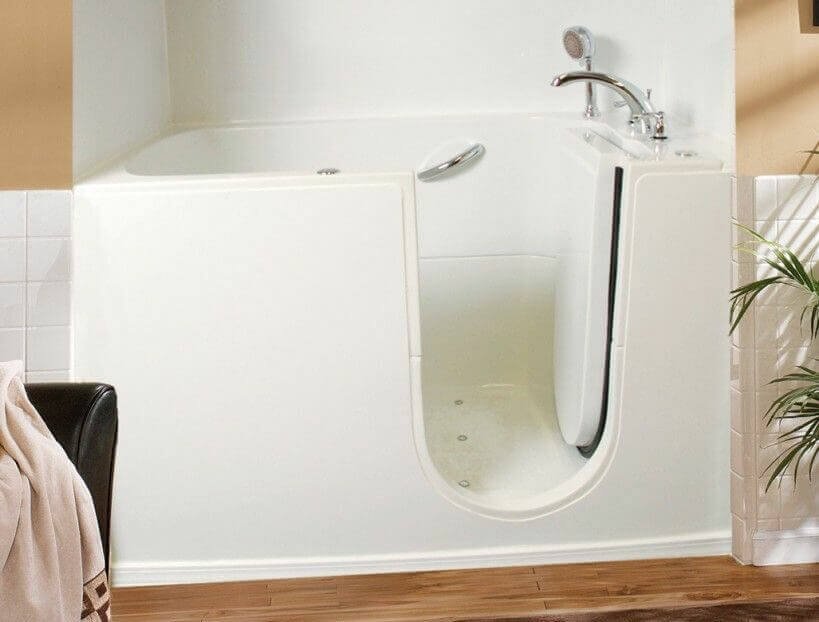
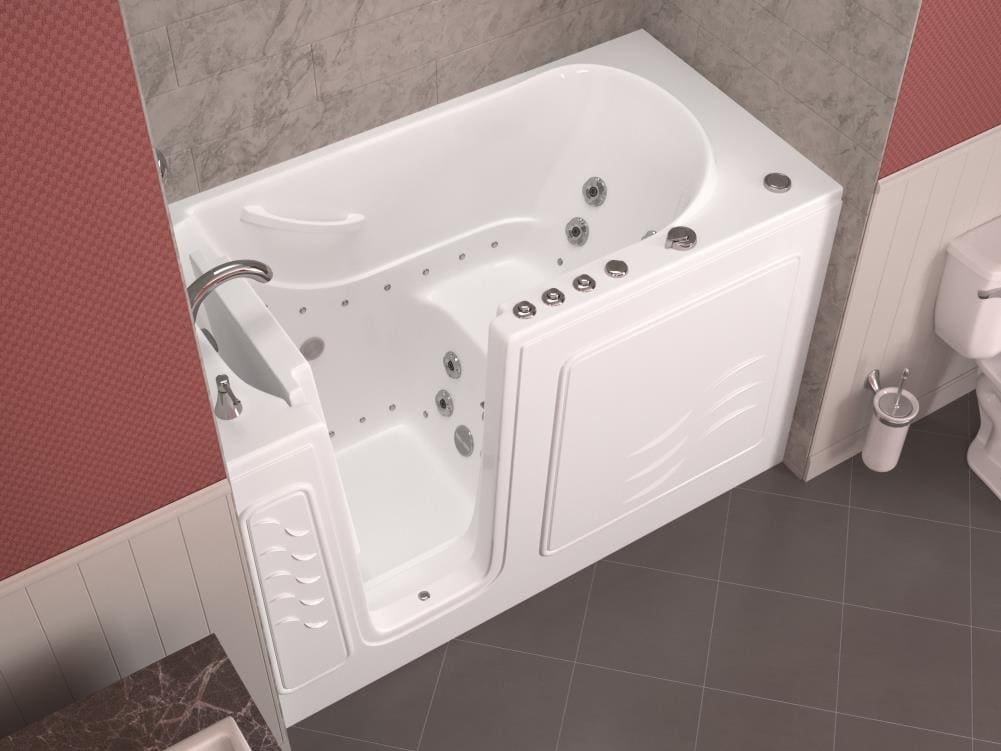
- Walk-in tubs feature a low threshold door, built-in seating, and often include therapeutic jets. They are designed for users who may have mobility challenges or prefer to bathe while seated.
- Walk-in showers typically have a barrier-free or low-step entry, non-slip flooring, and can be fitted with grab bars and benches. They are ideal for those who prefer standing showers or need wheelchair accessibility.
Safety and Accessibility: Key Considerations
Safety is a top priority for anyone considering a bathroom upgrade, especially for seniors or those with limited mobility. Here’s how both options compare:
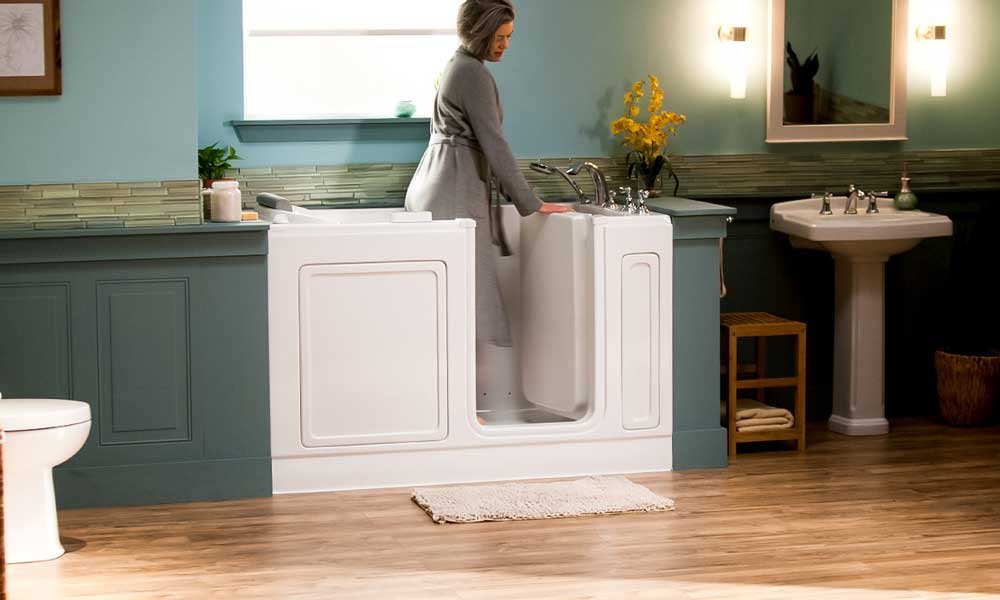
- Walk-in tubs provide a secure, seated bathing experience. The door allows for easy entry and exit, and the built-in seat reduces the risk of slips. Many models include anti-scald valves and textured floors for added safety.
- Walk-in showers offer a spacious, open design that accommodates mobility aids such as walkers or wheelchairs. The absence of a high threshold makes entry and exit easier, and grab bars can be installed for additional support.
For more practical advice on making your home safer, see our DIY home safety improvements for seniors guide.
Comparing Installation Requirements and Space Needs
Installation is a crucial factor in the walk-in tub vs walk-in shower comparison. Each option has different requirements and may impact your bathroom layout:
- Walk-in tubs often require more floor space due to their length and depth. Installation may involve plumbing adjustments, electrical work (for heated features or jets), and reinforcing the floor to support the tub’s weight when filled with water.
- Walk-in showers can be customized to fit various bathroom sizes, from compact stalls to spacious enclosures. They typically require less structural modification and can sometimes be installed in the footprint of a standard tub, making them a popular choice for remodels.
Homeowners considering energy efficiency or cost savings may also want to review energy assistance programs for elderly to offset utility expenses related to new bathroom fixtures.
Cost Comparison: Upfront and Long-Term Expenses
Budget is often a deciding factor. Here’s how the two options stack up:
- Walk-in tubs generally have a higher upfront cost, ranging from $2,500 to $10,000 or more, depending on features and installation complexity. Ongoing maintenance may include cleaning jets and seals.
- Walk-in showers can be more affordable, with basic models starting around $1,000. Custom tile, glass doors, and accessibility features can increase the price, but installation is usually less complex than with tubs.
Some homeowners may qualify for home improvement tax credits for elderly when making accessibility upgrades, which can help offset costs.
Maintenance and Cleaning: What to Expect
Both walk-in tubs and showers are designed for easy cleaning, but there are some differences:
- Walk-in tubs require regular cleaning of jets and seals to prevent buildup and maintain water-tight integrity. Many models include self-cleaning features.
- Walk-in showers are generally easier to maintain, especially if you choose non-porous wall panels and minimal grout lines. Frameless glass doors can reduce areas where mold and mildew accumulate.
Who Benefits Most from Each Option?
Deciding between these two accessible bathing solutions depends on your unique needs:
- Walk-in tubs are ideal for individuals who have difficulty standing for long periods, require hydrotherapy, or want a relaxing soak. They’re especially beneficial for seniors with arthritis or joint pain.
- Walk-in showers suit those who prefer quick, efficient bathing and need wheelchair or walker access. They’re also a great choice for multi-generational households or anyone looking for a modern, open design.
For a deeper dive into the advantages of both options, see this detailed overview of bathroom upgrades for accessibility.
Making the Right Choice for Your Home
Ultimately, the decision comes down to your priorities: safety, comfort, budget, and available space. Consulting with a professional installer can help you assess your bathroom’s layout and determine which solution aligns best with your needs. Consider future mobility, household members’ preferences, and potential resale value when making your choice.
For those seeking additional support, utility bill assistance programs for seniors may provide financial relief during home improvement projects.
FAQ: Walk-In Bathing Solutions
Are walk-in tubs or showers safer for seniors?
Both options are designed with safety in mind. Walk-in tubs offer a seated bathing experience and low entry, reducing fall risk. Walk-in showers provide barrier-free access and can be equipped with grab bars and non-slip surfaces. The best choice depends on individual mobility and preferences.
How long does installation take for each option?
Walk-in showers can often be installed in one to two days, especially if replacing an existing tub. Walk-in tubs may take longer due to plumbing and electrical requirements, typically two to four days. Timelines vary based on bathroom layout and customization.
Can I get financial assistance for installing a walk-in tub or shower?
Some local and federal programs offer grants or tax credits for home accessibility improvements. It’s worth researching options like home improvement tax credits for elderly and consulting with your installer about available incentives.