
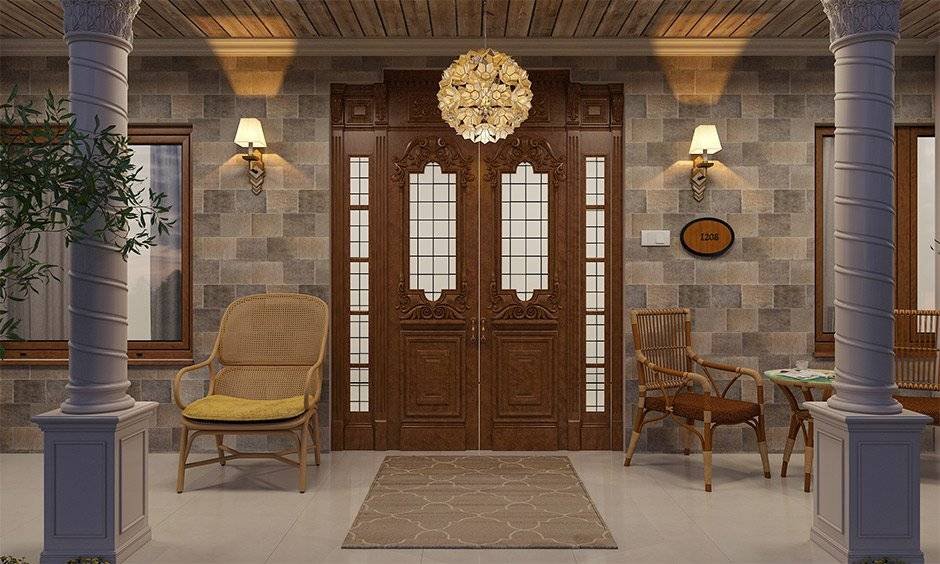
Ensuring safe passage along your driveway after dark is essential for both security and convenience. Proper lighting for driveways at night not only helps prevent trips and falls but also deters unwanted visitors and enhances your home’s curb appeal. With a range of modern fixtures and smart lighting solutions available, it’s easier than ever to create a well-lit, welcoming entrance that works for your needs and style.
Thoughtful placement and selection of outdoor lights can make a significant difference in visibility and safety. Whether you have a long, winding driveway or a compact urban entry, the right illumination strategy can transform your outdoor space. Before diving into specific fixture types and layout ideas, it’s helpful to understand the key benefits and considerations for nighttime driveway illumination.
For those interested in optimizing safety throughout the home, you may also want to explore walk-in shower grab bar weight ratings to ensure proper support in bathrooms and other high-traffic areas.
Why Nighttime Driveway Lighting Matters
A well-lit driveway serves several important functions. First and foremost, it improves visibility for drivers and pedestrians, reducing the risk of accidents. Adequate lighting helps guests find your home easily and can highlight address numbers or entry gates. Additionally, outdoor lights act as a deterrent to trespassers, making your property less attractive to potential intruders.
Beyond safety and security, lighting can also enhance the aesthetic appeal of your property. Thoughtful fixture placement can accentuate landscaping, architectural features, and pathways, creating a warm and inviting atmosphere after sunset.
Types of Fixtures for Lighting Driveways at Night
There are several fixture options to consider when planning lighting for driveways at night. The best choice depends on your driveway’s layout, your budget, and your desired level of automation or control.
- Path Lights: These low-profile fixtures are installed along the edges of the driveway, providing consistent illumination for both vehicles and pedestrians. They are ideal for guiding guests safely to your door.
- Pole Lights: Taller than path lights, pole-mounted fixtures can cast light over a wider area, making them suitable for longer or wider driveways.
- Recessed Lights: Installed directly into the driveway surface or adjacent landscaping, these lights offer a sleek, modern look and minimize tripping hazards.
- Wall-Mounted Sconces: If your driveway runs alongside a wall or fence, sconces can provide targeted lighting while adding architectural interest.
- Motion Sensor Lights: These fixtures activate automatically when movement is detected, offering both convenience and energy savings.
Planning Your Outdoor Lighting Layout
To maximize both safety and style, start by assessing your driveway’s length, width, and any curves or obstacles. Mark out areas that require the most illumination, such as entry points, bends, or intersections with walkways. Consider the following tips for an effective lighting plan:
- Space fixtures evenly to avoid dark spots and overlapping beams.
- Use a combination of fixture types for layered lighting and visual interest.
- Opt for downward-facing lights to minimize glare and light pollution.
- Choose weather-resistant fixtures rated for outdoor use.
- Integrate timers, photocells, or smart controls for energy efficiency and convenience.
Energy-Efficient Options for Driveway Illumination
Modern lighting for driveways at night often incorporates energy-saving technologies. LED fixtures, for example, consume less electricity and last much longer than traditional incandescent bulbs. Solar-powered lights are another eco-friendly choice, harnessing sunlight during the day to power your driveway illumination after dark.
Motion-activated lights are particularly effective for driveways, as they only turn on when needed. This not only saves energy but also provides an added layer of security by alerting you to movement outside your home.

Installation Tips and Maintenance
Proper installation is key to ensuring your outdoor lights perform well and last for years. If you’re installing wired fixtures, make sure all electrical work is done according to local codes and, if necessary, consult a licensed electrician. For solar or battery-powered lights, position panels where they will receive adequate sunlight during the day.
Regular maintenance is also important. Clean fixtures periodically to remove dirt and debris that can reduce brightness. Check for damaged wiring, burned-out bulbs, or loose connections, especially after severe weather. Keeping your lighting system in good condition will help maintain safety and reliability.
Enhancing Security with Smart Lighting Solutions
Integrating smart technology into your driveway lighting can provide added convenience and peace of mind. Many modern systems allow you to control lights remotely via smartphone apps, set schedules, or receive alerts when motion is detected. Some even integrate with home security systems for seamless protection.
When choosing smart lighting, look for features such as adjustable brightness, customizable timers, and compatibility with voice assistants. These options make it easy to tailor your outdoor illumination to your lifestyle and security needs.
Common Mistakes to Avoid
While planning lighting for driveways at night, homeowners sometimes overlook key details. Avoid these common pitfalls:
- Over-lighting, which can create glare and waste energy.
- Under-lighting, leaving dark patches that compromise safety.
- Poor fixture placement, resulting in uneven coverage or blocked beams.
- Neglecting maintenance, which can lead to malfunctioning lights and reduced effectiveness.
- Choosing fixtures not rated for outdoor use, leading to premature wear or electrical hazards.
Frequently Asked Questions
What is the best type of lighting for driveways at night?
The ideal choice depends on your driveway’s size and layout. A combination of path lights, pole lights, and motion-activated fixtures often provides the best balance of safety, visibility, and energy efficiency.
How far apart should driveway lights be placed?
Spacing depends on the brightness and beam spread of your fixtures. Generally, path lights are spaced 6 to 10 feet apart to ensure even coverage without excessive overlap or dark spots.
Are solar driveway lights effective for year-round use?
Solar-powered lights can work well if they receive adequate sunlight during the day. In areas with long winters or frequent cloud cover, supplementing with wired or battery-powered fixtures may be necessary for consistent performance.