
Upgrading to a walk-in shower is a popular choice for homeowners seeking improved accessibility, modern style, and easier maintenance. One of the most common questions during the planning phase is how long the installation process will take. Understanding the average installation time for walk-in showers helps set realistic expectations and allows for better scheduling, especially if the bathroom is a high-traffic area in your home.
The duration of a walk-in shower installation can vary based on several factors, including the type of shower system, the condition of the existing bathroom, and whether you’re opting for a custom or prefabricated unit. This article breaks down the typical timelines, what influences them, and tips for a smooth renovation. For those comparing different accessible bathing solutions, you may also find it helpful to review the walk-in shower vs curbless shower guide for insights on safety and style.

Key Factors That Influence Installation Duration
The time required to install a walk-in shower is not a one-size-fits-all answer. Several variables play a role in determining how quickly the project can be completed. Here are the main considerations:
- Type of Shower System: Prefabricated kits are generally faster to install than fully custom tile showers.
- Bathroom Layout and Condition: Older homes may require additional plumbing or structural updates, adding to the timeline.
- Demolition Needs: Removing an existing tub or shower can take extra time, especially if there’s water damage or mold.
- Permitting and Inspections: Some municipalities require permits and inspections, which can introduce delays.
- Professional vs. DIY Installation: Hiring experienced installers typically results in a faster, more efficient process than tackling the job yourself.
Typical Timelines for Walk-In Shower Installations
On average, most walk-in shower installations take between two and five days from start to finish. The specific timeframe depends on the complexity of the project and the factors mentioned above. Here’s a breakdown of what to expect for different scenarios:
Prefabricated Walk-In Shower Kits
Prefab units are designed for quick assembly and can often be installed in as little as one to three days. These kits come with all necessary panels, bases, and doors, minimizing the need for custom work. If your bathroom’s plumbing and subfloor are in good condition, installation is usually straightforward.
Custom Tile Walk-In Showers
Custom options, which involve waterproofing, tiling, and sometimes moving plumbing, typically require four to seven days. The process includes demolition, prepping the area, installing the shower pan, tiling, and allowing for proper drying and curing times. Any unexpected issues, such as hidden water damage, can extend the schedule.
Additional Time Considerations
- Permits and Inspections: Add one or two days if your local code requires these steps.
- Accessibility Features: Installing grab bars, benches, or specialty fixtures may add a few hours to a day.
- Material Lead Times: Custom glass doors or specialty tiles can delay completion if not ordered in advance.
Step-by-Step Overview of the Installation Process
Understanding the basic steps involved in installing a walk-in shower can help you anticipate how long each phase will take:
- Preparation and Demolition: Removing the old tub or shower, inspecting for damage, and prepping the area (1–2 days).
- Plumbing and Subfloor Work: Adjusting plumbing lines or reinforcing the floor if needed (0.5–1 day).
- Shower Base and Wall Installation: Setting the shower pan and wall panels or starting tile work (1–2 days).
- Finishing Touches: Installing doors, fixtures, and accessibility features (0.5–1 day).
- Cleanup and Inspection: Final checks and cleanup (a few hours).
For more detailed information on choosing durable and stylish surfaces, see the guide on best materials for walk-in shower walls.
Tips to Ensure a Smooth and Timely Installation
- Plan Ahead: Order all materials and fixtures before work begins to avoid delays.
- Hire Qualified Professionals: Experienced contractors can anticipate issues and keep the project on track.
- Clear the Work Area: Remove personal items and give installers easy access to the bathroom.
- Communicate Clearly: Discuss your expectations, preferred timeline, and any special needs with your installer.
- Prepare for the Unexpected: Set aside extra time in your schedule in case of unforeseen complications.
Benefits of a Walk-In Shower Upgrade
Beyond the installation timeline, upgrading to a walk-in shower offers several advantages:
- Improved Accessibility: Low or no threshold entry makes bathing safer for seniors and those with mobility challenges.
- Modern Aesthetics: Sleek designs and customizable features enhance the look of your bathroom.
- Easy Maintenance: Fewer crevices and grout lines mean less cleaning and lower risk of mold.
- Increased Home Value: Updated bathrooms are attractive to future buyers and can boost resale value.
If you’re interested in how these upgrades support independent living, the article on how walk-in showers can help with aging in place provides further insights.
Maintenance and Care After Installation
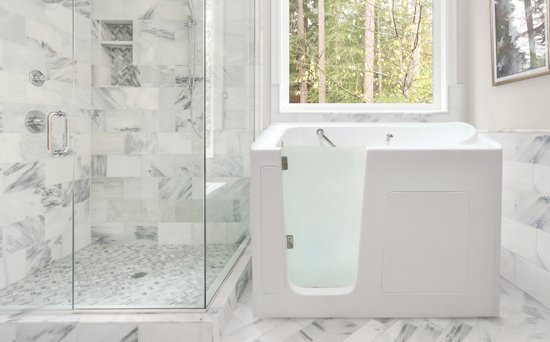
Once your new shower is in place, regular cleaning and maintenance will keep it looking and functioning its best. Pay special attention to grout lines, drains, and glass doors to prevent buildup. For those with walk-in tubs, you can learn how to keep jets clean with this simple maintenance guide.
Frequently Asked Questions
How long does it take to install a walk-in shower in an average home?
Most installations are completed within two to five days, depending on whether you choose a prefabricated kit or a custom tile design. Additional time may be needed for demolition, plumbing updates, or if permits are required.
Can I use my bathroom during the installation process?
In most cases, the bathroom will be out of service while work is underway. If you have only one bathroom, discuss options with your installer to minimize inconvenience or arrange for temporary alternatives.
What can delay the installation of a walk-in shower?
Common delays include discovering water damage, waiting for custom materials, or scheduling inspections. Hiring experienced professionals and planning ahead can help reduce unexpected setbacks.
Are walk-in showers safer for seniors?
Yes, walk-in showers are designed with accessibility and safety in mind. Features like low thresholds, grab bars, and non-slip surfaces help reduce the risk of falls. For more on this topic, see the article on safety features of walk-in bathtubs.
What’s the difference between a walk-in shower and a curbless shower?
While both options improve accessibility, curbless showers have no threshold at all, allowing for seamless entry. For a detailed comparison, refer to the walk-in shower vs curbless shower resource.