
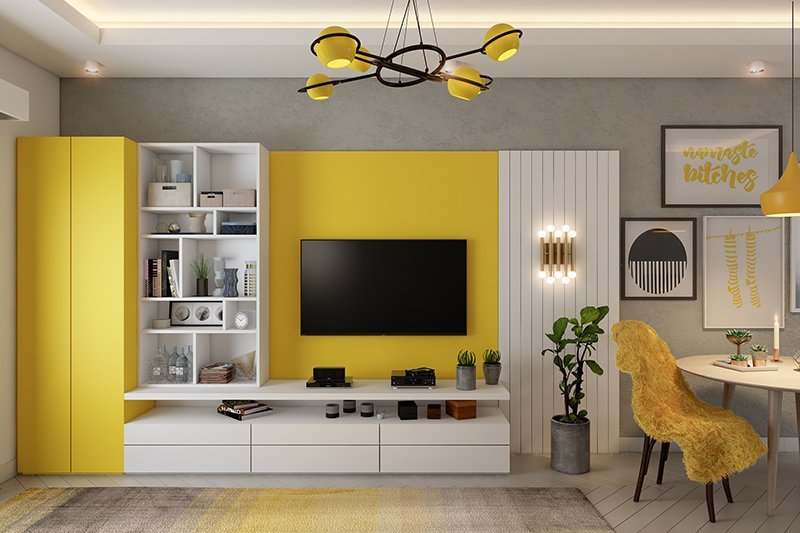
Proper illumination is essential for creating environments where people can move confidently and securely, whether inside the home or around outdoor spaces. Lighting for safe navigation helps prevent trips, falls, and other accidents, especially for older adults, children, and anyone with limited mobility. By understanding the principles of effective lighting, you can make living areas, walkways, and entrances much safer and more accessible.
This article explores practical strategies for improving visibility in both indoor and outdoor settings. We’ll cover the types of fixtures, placement tips, and how to address common problem areas. If you’re also interested in bathroom safety, you may want to learn more about walk-in shower grab bar weight ratings for additional support solutions.
Why Lighting Matters for Safe Movement
Inadequate or poorly placed lighting is a leading contributor to accidents in homes and public spaces. Shadows, glare, and dark corners can obscure hazards, making it difficult to see steps, furniture, or uneven surfaces. By focusing on lighting for safe navigation, you can reduce risks and make every area more user-friendly.
- Prevents falls: Well-lit paths and rooms highlight obstacles and changes in elevation.
- Improves confidence: People feel more secure moving around when they can see clearly.
- Supports independence: Good lighting allows everyone, including those with vision impairments, to navigate spaces on their own.
Key Principles of Indoor Lighting for Navigation
Inside the home, the right lighting can transform how people move through hallways, stairs, and living areas. Consider these strategies to enhance safety:
- Layered lighting: Use a combination of ambient, task, and accent lighting to eliminate shadows and ensure even coverage. For a breakdown of different fixture types and their uses, see this guide to lighting types.
- Consistent brightness: Avoid dramatic changes in light levels between rooms or at doorways, which can make it hard for eyes to adjust.
- Night lights and motion sensors: Install low-level lights in hallways, bathrooms, and bedrooms to guide safe movement at night.
- Highlight hazards: Use accent lighting to draw attention to steps, thresholds, or changes in floor height.
- Glare control: Choose fixtures and bulbs that minimize harsh reflections, especially on glossy floors or countertops.
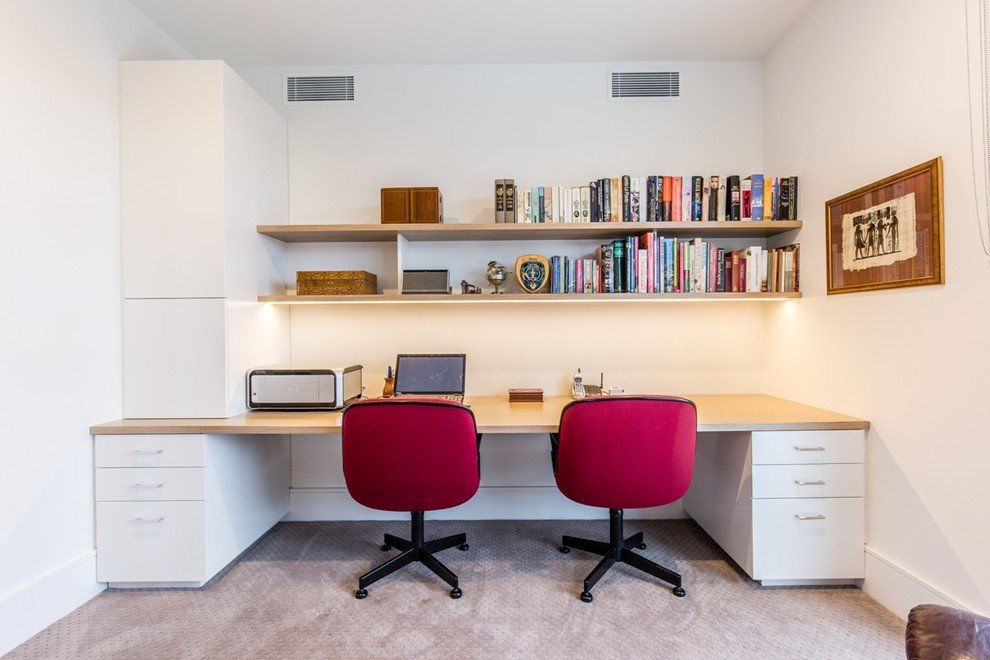
Outdoor Lighting Solutions for Safer Pathways
Exterior spaces present their own challenges. Uneven ground, steps, and landscaping features can all become hazards after dark. Here’s how to use lighting for safe navigation outdoors:
- Pathway lights: Install low-level fixtures along walkways, driveways, and garden paths to outline safe routes.
- Step and stair lighting: Use dedicated lights on stair risers or handrails to make each step visible.
- Entryway illumination: Brighten porches, doorways, and garage entrances to reduce the risk of tripping when entering or leaving.
- Motion-activated lights: These turn on automatically when someone approaches, providing security and convenience.
- Weather resistance: Choose fixtures rated for outdoor use to ensure safety in all conditions.
Choosing the Right Fixtures and Bulbs
Selecting appropriate lighting products is crucial for both effectiveness and efficiency. Here are some tips for making the best choices:
- LED technology: LEDs are energy-efficient, long-lasting, and available in a range of brightness levels and color temperatures.
- Color temperature: Warmer light (2700K–3000K) is comfortable for living spaces, while cooler white (4000K–5000K) enhances visibility in work areas and outdoors.
- Dimmable options: Adjustable fixtures allow you to tailor light levels to the time of day and specific needs.
- Smart controls: Consider systems that let you automate schedules, adjust remotely, or integrate with motion sensors for added safety.
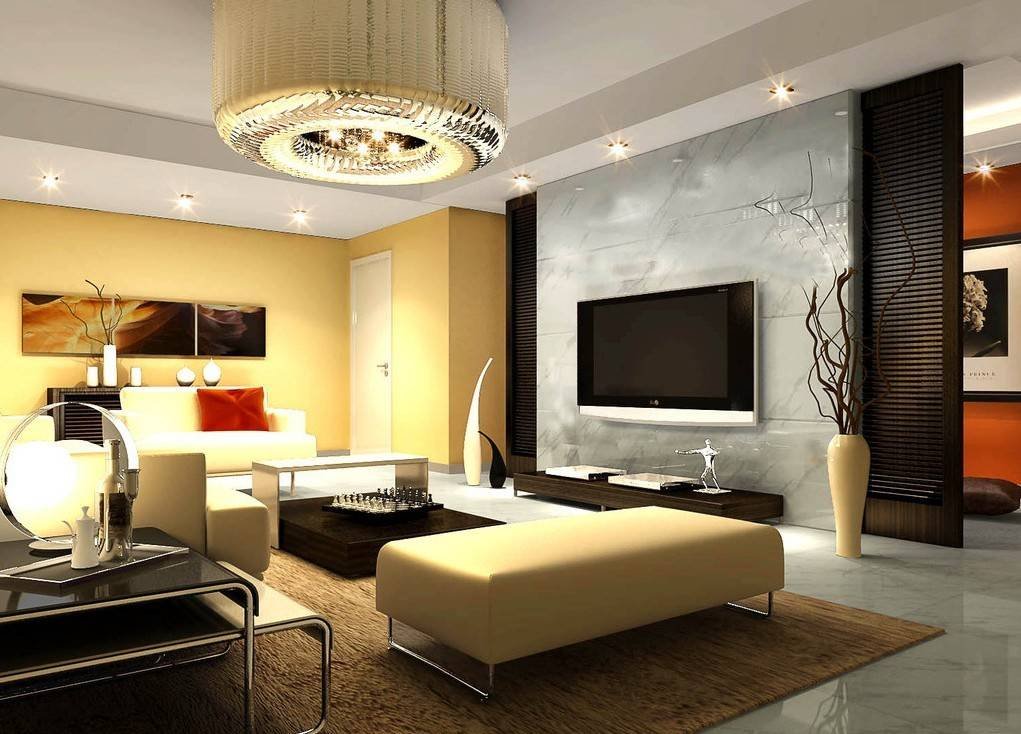
Common Problem Areas and How to Address Them
Some locations are especially prone to accidents if not properly lit. Here’s how to tackle the most frequent trouble spots:
- Stairways: Use continuous lighting along the full length of stairs, with extra attention to the top and bottom steps.
- Hallways: Space ceiling or wall fixtures evenly to avoid dark patches. Night lights can help with overnight navigation.
- Bathrooms: Install bright, glare-free lights near sinks, showers, and toilets. For more on bathroom safety, see our article on walk-in tub faucet types and flow rates.
- Entrances and exits: Ensure both sides of doors are well-lit, especially where there are steps or thresholds.
- Garages and basements: Use overhead and task lighting to eliminate shadows and highlight potential hazards.
Maintenance Tips for Ongoing Safety
Even the best lighting setup requires regular attention to stay effective. Simple maintenance can make a big difference:
- Replace bulbs promptly: Don’t let burned-out lights create dark spots.
- Clean fixtures: Dust and dirt can reduce brightness over time.
- Check for damage: Inspect wiring, switches, and outdoor fixtures for wear or weather-related issues.
- Test motion sensors: Make sure automated lights respond as expected.
Frequently Asked Questions
What is the best type of lighting for safe navigation in hallways and stairs?
The most effective approach is to use continuous, evenly spaced fixtures that provide consistent brightness without glare. LED recessed lights or wall-mounted sconces are popular choices. Adding motion sensor night lights can further improve safety, especially at night.
How can I improve outdoor safety with lighting?
Install pathway lights along walkways and driveways, use step lights on stairs, and ensure entryways are well-illuminated. Motion-activated fixtures add both convenience and security. Always select weather-resistant products designed for exterior use.
Are there energy-efficient options for safety lighting?
Yes, LED bulbs and fixtures are highly energy-efficient and long-lasting. Many are available with dimming features or smart controls, allowing you to tailor light levels and schedules for both safety and energy savings.