Many older adults face challenges in maintaining a safe and comfortable home, especially when it comes to protecting their living spaces from harsh weather. Rising energy costs, drafty windows, and aging infrastructure can make it difficult for seniors to stay warm in winter or cool in summer. Fortunately, a variety of weatherproofing grants for seniors are available to help cover the costs of essential home improvements, making it easier for older adults to age in place safely and affordably.
This article explores the main types of financial assistance, eligibility criteria, and practical steps to access these resources. Whether you’re a homeowner, renter, or caregiver, understanding these programs can make a significant difference in comfort, health, and monthly expenses. For those interested in maximizing savings, you may also want to learn about home improvement tax credits for elderly to further reduce costs.
Understanding Home Weatherproofing Assistance for Older Adults
Weatherproofing refers to a range of improvements that make a home more resistant to the effects of weather, such as cold, heat, wind, and moisture. For seniors, these upgrades are especially important for maintaining indoor comfort and reducing utility bills. Common weatherproofing measures include:
- Adding insulation to attics, walls, and floors
- Sealing windows and doors to prevent drafts
- Installing storm windows or energy-efficient replacements
- Repairing or replacing roofs and gutters
- Upgrading heating and cooling systems
These improvements not only help lower energy costs but also reduce health risks associated with extreme temperatures. Many seniors qualify for government-funded programs or nonprofit initiatives that provide funding or direct services for these upgrades.
Types of Weatherproofing Grants and Programs for Seniors
There are several major sources of weatherproofing grants for seniors in the United States. Each program has its own eligibility requirements and application process. Below are some of the most widely used options:
1. Weatherization Assistance Program (WAP)
The federal Weatherization Assistance Program is one of the largest sources of free or low-cost weatherproofing for low-income households, including seniors. WAP provides energy audits and funds improvements such as insulation, air sealing, and HVAC upgrades. Priority is often given to households with elderly residents, people with disabilities, and families with young children.
2. Low Income Home Energy Assistance Program (LIHEAP)
While LIHEAP is best known for helping with heating and cooling bills, many states use a portion of these funds for weatherproofing and energy efficiency upgrades. Seniors can apply for both bill assistance and home improvements through their local LIHEAP office.
3. USDA Rural Development Grants
The USDA Section 504 Home Repair program offers grants and low-interest loans to very low-income homeowners in rural areas. Seniors aged 62 and older may qualify for grants to address health and safety hazards, including weatherproofing projects such as roof repairs, insulation, and window replacement.
4. State and Local Programs
Many states, counties, and cities offer their own weatherproofing assistance for older adults. These programs may be run by housing authorities, aging agencies, or nonprofit organizations. Eligibility and benefits vary by location, so it’s important to check with local resources.
5. Nonprofit and Community Initiatives
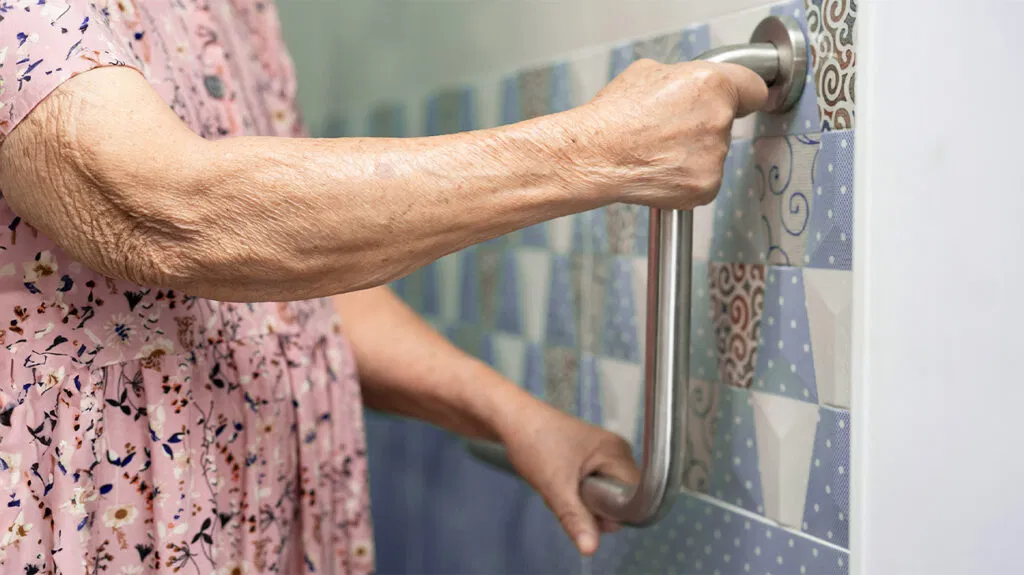
Nonprofit organizations such as Rebuilding Together, Habitat for Humanity, and local community action agencies often provide free or subsidized weatherproofing services for seniors. These groups may also help with accessibility upgrades, such as bathroom grab bars for seniors or toilet safety rails for elderly, to further enhance home safety.
Eligibility Criteria for Senior Weatherproofing Support
Most programs offering weatherproofing grants for seniors have specific eligibility rules. While details vary, the following factors are commonly considered:
- Age: Many grants are reserved for individuals aged 60 or 62 and older.
- Income: Applicants typically must meet low- or moderate-income guidelines, which vary by program and location.
- Homeownership: Some programs require you to own your home, while others are open to renters with landlord approval.
- Location: Certain grants are only available in specific cities, counties, or rural areas.
- Type of Work Needed: Funding is usually limited to health, safety, and energy efficiency improvements.
Documentation such as proof of age, income, and homeownership may be required during the application process. It’s a good idea to gather these documents in advance to streamline your application.
How to Apply for Weatherproofing Grants as a Senior
Navigating the application process for financial assistance can feel overwhelming, but breaking it down into steps can help:
- Identify local programs: Start by contacting your state or local housing authority, Area Agency on Aging, or community action agency. They can direct you to available resources.
- Review eligibility: Check the specific requirements for each program, including age, income, and homeownership status.
- Gather documentation: Collect proof of income, identification, and homeownership or rental agreement.
- Submit an application: Complete the necessary forms, either online or in person. Some programs may require a home energy audit before approving funding.
- Schedule an inspection: If approved, a contractor or program representative will assess your home and recommend eligible improvements.
- Complete the work: Approved upgrades are typically performed by licensed contractors at no cost or reduced cost to you.
For more tips on improving home safety and comfort, explore our DIY home safety improvements for seniors guide.
Benefits of Weatherproofing for Seniors
Investing in weatherproofing improvements offers several important advantages for older adults:
- Lower utility bills: Improved insulation and energy efficiency reduce heating and cooling costs.
- Increased comfort: Eliminating drafts and maintaining stable indoor temperatures make daily life more pleasant.
- Enhanced safety: Weatherproofing can prevent moisture-related hazards such as mold, which is especially important for those with respiratory issues.
- Long-term savings: Upgrades can extend the life of your home’s structure and systems, reducing future repair costs.
- Support for aging in place: A safer, more comfortable home environment helps seniors remain independent longer.
Additional Resources for Home Repair and Weatherproofing
In addition to the programs described above, seniors can find more information and support through reputable organizations and online resources. For a comprehensive overview of home repair assistance, visit this guide to home repair assistance for seniors. These resources can help you understand your options, connect with local agencies, and ensure you receive all the benefits you’re entitled to.
For those looking to improve safety in specific areas of the home, check out our advice on bedroom safety improvements for seniors.
Frequently Asked Questions
What types of home improvements are covered by senior weatherproofing grants?
Most programs cover essential upgrades that improve energy efficiency and safety. This includes insulation, window and door sealing, roof repairs, HVAC upgrades, and sometimes accessibility modifications. The exact improvements depend on the program and the needs identified during a home assessment.
Can renters qualify for weatherproofing assistance?
Some programs allow renters to receive weatherproofing services with the landlord’s permission. It’s important to check with the administering agency about eligibility for renters and any additional requirements.
How long does it take to receive assistance?
The timeline varies by program and demand in your area. After applying, it may take several weeks to a few months for approval, inspection, and completion of upgrades. Applying early and providing all required documents can help speed up the process.