Many older adults face challenges in maintaining a safe and comfortable home environment. As houses age, repairs become necessary, but the cost and complexity of these projects can be overwhelming for seniors, especially those on fixed incomes. Fortunately, area agency on aging home repair help programs exist to support older adults in making essential improvements, ensuring their homes remain accessible, safe, and livable.
This article provides a comprehensive overview of how local agencies assist with home repairs for seniors, what types of services are available, eligibility requirements, and how to get started. If you’re looking for additional resources, you might also find the free home repairs for elderly guide helpful for exploring further options.

Understanding Local Agency Support for Senior Home Repairs
Regional agencies dedicated to aging services are often the first point of contact for seniors seeking home repair assistance. These organizations, commonly known as Area Agencies on Aging (AAAs), are funded through federal, state, and local sources to provide a range of supportive services. Their mission includes helping older adults remain independent in their homes by addressing hazards, accessibility concerns, and deferred maintenance.
The types of repairs covered by these programs can vary by location and funding availability. However, most agencies focus on essential improvements that directly impact health and safety, such as fixing electrical hazards, repairing roofs, installing grab bars, or making bathrooms accessible.
Types of Home Repair Assistance Available
When seeking area agency on aging home repair help, it’s important to understand the range of services that may be offered. Common types of assistance include:
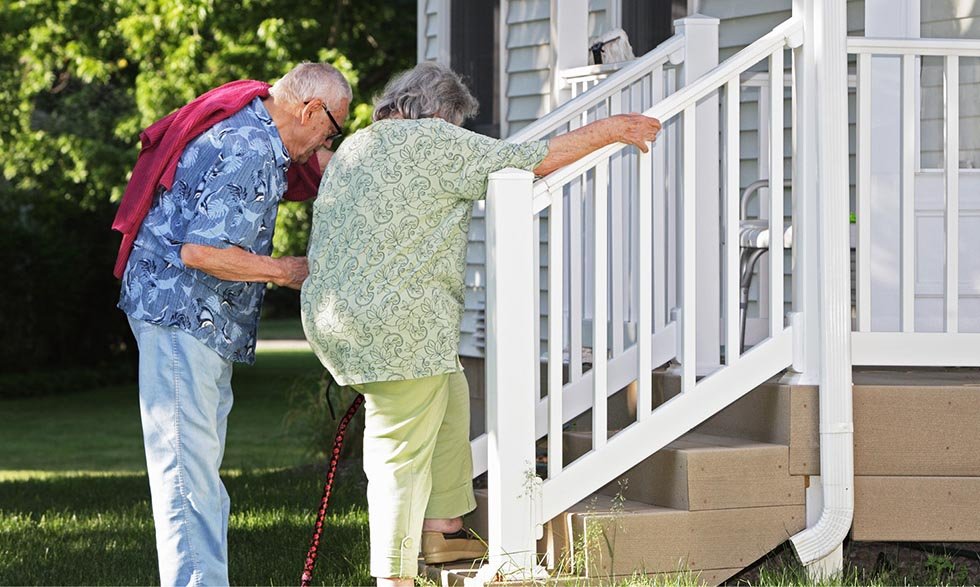
- Minor Repairs: Fixing leaky faucets, replacing broken windows, or repairing steps and handrails.
- Accessibility Modifications: Installing ramps, widening doorways, or adding grab bars and non-slip flooring.
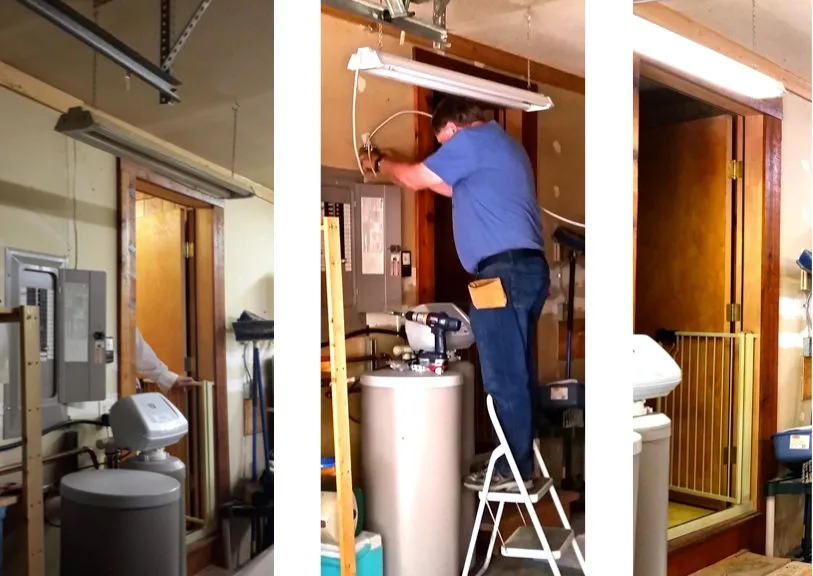
- Safety Improvements: Upgrading lighting, smoke detectors, or addressing electrical issues.
- Weatherization: Sealing drafts, insulating attics, or replacing inefficient heating systems to reduce energy costs.
- Emergency Repairs: Addressing urgent needs such as broken furnaces in winter or roof leaks after storms.
Some agencies also partner with local contractors or volunteer organizations to provide labor at reduced or no cost. For those interested in broader support, the low income senior home improvement programs resource outlines additional options for affordable upgrades.
Eligibility Criteria for Home Repair Programs
Not all seniors automatically qualify for home repair assistance through their local agency. Most programs have specific eligibility requirements, which may include:
- Age: Typically, applicants must be 60 years or older, though some programs may have different age thresholds.
- Income: Many services are targeted at low- or moderate-income households. Proof of income, such as tax returns or benefit statements, may be required.
- Homeownership: Assistance is often limited to homeowners, though some agencies offer help to renters with landlord approval.
- Residence: Applicants must live within the agency’s service area.
- Type of Repair: Priority is usually given to repairs that address health and safety risks.
It’s important to contact your local agency directly to learn about their specific guidelines and application process. Some agencies maintain waiting lists or prioritize applicants based on urgency and need.
How to Apply for Area Agency on Aging Home Repair Help
The process for requesting assistance typically involves several steps:
- Contact Your Local Agency: Find your nearest Area Agency on Aging through state or county websites, or by calling the Eldercare Locator at 1-800-677-1116.
- Assessment: Agency staff may conduct a home visit to evaluate repair needs and determine eligibility.
- Application: Complete required forms and provide documentation, such as proof of income and homeownership.
- Approval and Scheduling: If approved, the agency will coordinate with contractors or volunteers to complete the work.
For more details on how these programs work and what to expect, the overview of government and community programs for senior home repairs offers practical insights and examples.
Additional Resources and Safety Upgrades
Beyond basic repairs, many seniors benefit from home modifications that improve mobility and reduce the risk of accidents. Upgrades such as better lighting, slip-resistant flooring, and accessible garden paths can make a significant difference. For ideas on enhancing outdoor safety, see the lighting for garden safety guide, or explore lighting for water hazards for tips on preventing slips and falls near wet areas.
Staying proactive about home maintenance and safety is key to aging in place comfortably. Many agencies also offer educational workshops, referrals to trusted contractors, and information about related services such as meal delivery or transportation.
Frequently Asked Questions
What types of repairs are most commonly covered by local aging agencies?
Most agencies focus on repairs that directly impact health and safety, such as fixing faulty wiring, repairing steps, installing grab bars, or addressing plumbing leaks. Some also provide weatherization and accessibility modifications.
Is there a cost for receiving home repair help through these programs?
Many services are offered at no cost or on a sliding scale based on income. Some programs may require a small co-payment, but the goal is to make repairs affordable for seniors with limited resources.
How long does it take to get repairs completed after applying?
The timeline varies depending on funding, demand, and the urgency of the repair. Emergency issues may be addressed quickly, while less urgent repairs could involve a waiting period. It’s best to contact your local agency for current estimates.
Can renters receive assistance with home repairs?
Some agencies do offer help to renters, especially for accessibility modifications, but landlord approval is usually required. Homeowners tend to have the broadest access to these programs.
Navigating area agency on aging home repair help options can make a significant difference in the quality of life for seniors. By understanding what’s available and how to apply, older adults and their families can take important steps toward a safer, more comfortable home.