Experiencing a fall in the bathroom can be a life-changing event, especially for older adults or anyone with mobility challenges. The bathroom is one of the most common places for slips and injuries due to wet surfaces, tight spaces, and hard fixtures. Taking proactive steps to enhance bathroom safety is crucial for preventing future incidents and restoring confidence in daily routines.
This guide explores practical and effective bathroom modifications after a fall, focusing on essential changes, helpful products, and expert tips to make the space safer and more accessible. Whether you are recovering from an injury or supporting a loved one, understanding these solutions can make a significant difference in comfort and independence.
For a broader overview of home safety improvements, see the aging in place home improvement checklist for more ideas on creating a secure environment throughout your home.
Why Immediate Bathroom Changes Matter After a Fall
A fall in the bathroom often signals that current safety measures are insufficient. The risk of repeat incidents increases if hazards are not addressed promptly. Making bathroom modifications after a fall helps to:
- Reduce the risk of future accidents by eliminating common hazards.
- Restore independence for those who may feel anxious about using the bathroom alone.
- Support recovery by making daily routines easier and safer.
Immediate changes can include simple adjustments, like adding non-slip mats, or more involved projects, such as installing grab bars and safety rails.
Essential Safety Upgrades for the Bathroom
After a fall, it is important to evaluate the entire bathroom for potential risks. Here are the most effective upgrades to consider:
Installing Grab Bars for Stability
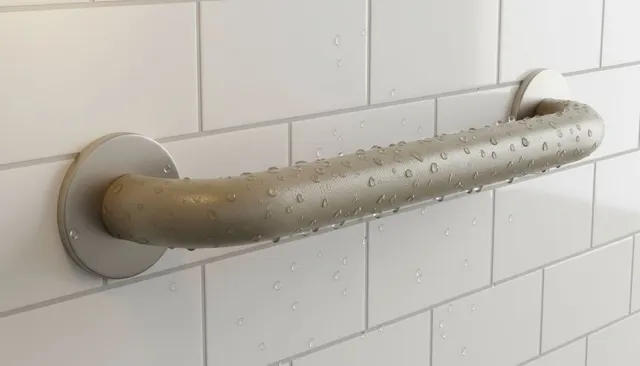
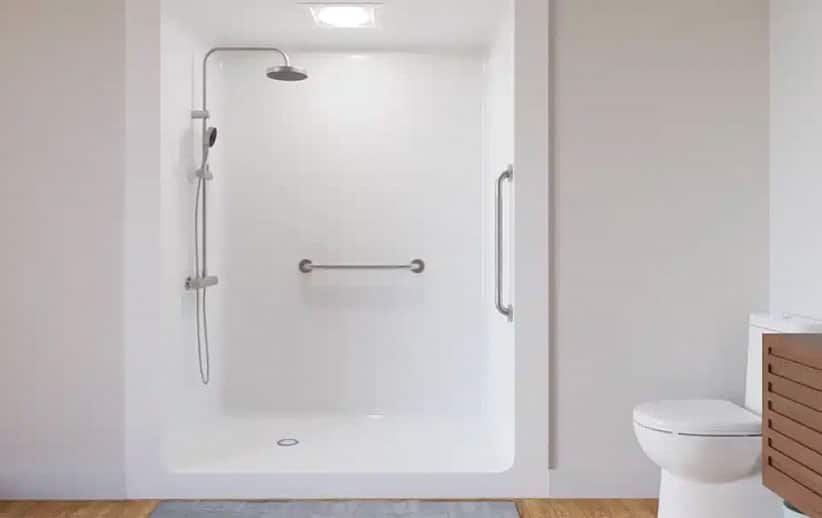
Grab bars provide crucial support for standing, sitting, and moving around the bathroom. They should be placed near the toilet, inside the shower or tub, and by the bathroom entrance. According to guidelines on grab bar placement, proper installation ensures maximum safety and usability.
Adding Toilet Safety Rails
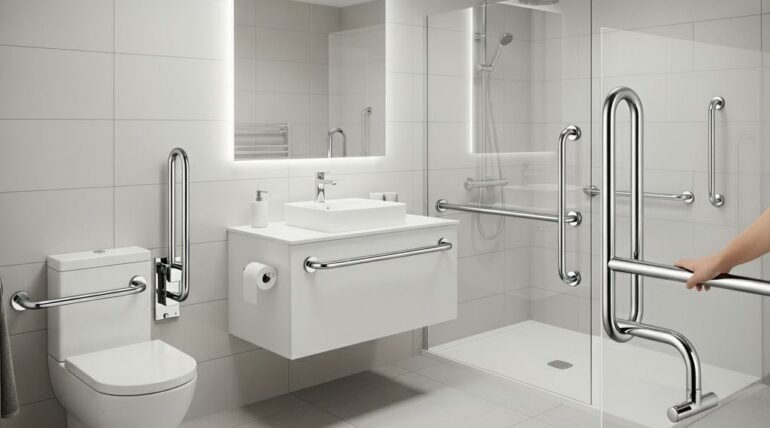
Toilet safety rails help users sit and stand with greater ease, reducing the risk of falls around the toilet area. These rails are especially helpful for those with limited strength or balance. They can be installed as standalone frames or attached directly to the toilet, depending on space and user needs.
Non-Slip Surfaces and Mats
Slippery floors are a leading cause of bathroom accidents. Place non-slip mats both inside and outside the shower or tub, and use adhesive strips or coatings on tile surfaces. Regularly check that mats stay flat and dry to prevent tripping.
Shower and Tub Modifications
Consider replacing a traditional tub with a walk-in shower or adding a transfer bench for easier access. Handheld showerheads and built-in seating can also enhance comfort and safety during bathing. For more ideas, explore bathroom safety solutions for multigenerational homes to see how different setups can benefit users of all ages.
Lighting and Accessibility Improvements
Good lighting is essential for preventing falls, especially at night. Install bright, glare-free lights and consider motion-activated fixtures for added convenience. Light switches should be easy to reach, and pathways to the bathroom should be clear and well-lit.
Widening doorways, lowering counters, and adjusting the height of sinks or mirrors can make the bathroom more accessible for wheelchair users or those with limited mobility. Lever-style faucets and door handles are easier to operate than traditional knobs.
Routine Maintenance and Ongoing Safety Checks
After making initial bathroom modifications after a fall, it is important to maintain these changes. Regularly inspect grab bars, mats, and safety rails to ensure they remain secure and in good condition. Replace worn or damaged items promptly.
Encourage open communication with family members or caregivers about any new challenges or concerns. Periodic safety reviews help catch potential hazards before they lead to another accident.
Additional Tips for a Safer Bathroom Environment
- Keep toiletries and essentials within easy reach to avoid stretching or bending.
- Remove clutter and unnecessary items from the floor and counters.
- Use a shower chair or bath bench for added stability during bathing.
- Install a raised toilet seat if sitting and standing are difficult.
- Consider smart home features, such as voice-activated lights or emergency call buttons. For more information, see smart home features that support senior mobility.
When to Seek Professional Help
Some modifications, like installing grab bars or converting a tub to a walk-in shower, may require professional installation to ensure safety and compliance with building codes. Occupational therapists or home modification specialists can assess your bathroom and recommend personalized solutions.
For those looking for simple upgrades, many products are available for DIY installation. However, always follow manufacturer instructions and seek assistance if you are unsure about the process.
Frequently Asked Questions
- What are the most important bathroom changes after a fall?
- The most critical modifications include installing grab bars, adding non-slip mats, improving lighting, and using toilet safety rails. These upgrades address the main causes of falls and help restore independence.
- How do I know where to place grab bars in the bathroom?
- Grab bars should be installed near the toilet, inside the shower or tub, and at the bathroom entrance. For detailed guidance, refer to expert advice on where to install grab bars in the bathroom.
- Are there affordable options for making the bathroom safer?
- Yes, many safety upgrades are budget-friendly, such as non-slip mats, portable grab bars, and raised toilet seats. For more extensive changes, look for community programs or grants that assist with home modifications for seniors.
Taking action with these bathroom modifications after a fall can greatly reduce the risk of future injuries and support a safer, more comfortable home. For further ideas on easy home upgrades, visit easy home modifications for elderly safety or explore tips on building a safer bathroom for aging adults.