
Creating a living space that supports aging in place is a priority for many families. As we age, our needs and abilities change, making it important to adapt our homes for safety, accessibility, and ease of use. Thoughtful senior friendly home design ideas can help older adults maintain independence and enjoy their surroundings with greater comfort. This article explores practical ways to make any home more accommodating for seniors, from simple modifications to more comprehensive renovations.
Whether you’re planning ahead for your own future or helping a loved one, understanding the best approaches to accessible design can make a significant difference. We’ll cover essential features, room-by-room suggestions, and strategies that blend functionality with a welcoming atmosphere. For those interested in bathroom upgrades, you may also want to read about how to troubleshoot walk-in tub jet noise for a quieter, more relaxing bathing experience.

Why Accessible Home Design Matters for Seniors
Adapting a home for older adults is about more than convenience—it’s about safety, dignity, and quality of life. Falls are a leading cause of injury among seniors, often occurring in environments that lack proper support or have hidden hazards. By incorporating senior friendly home design ideas, you can reduce risks and create a space that feels both secure and inviting.
Accessible design also supports independence. Features like lever-style door handles, wider doorways, and step-free entries allow seniors to move freely without assistance. These changes can help delay or even prevent the need for assisted living, allowing individuals to remain in their own homes longer.
Key Principles of Senior-Friendly Home Layouts
When considering modifications, focus on these core principles:
- Safety: Eliminate tripping hazards, improve lighting, and add support where needed.
- Accessibility: Ensure that every area of the home is easy to reach and navigate, including entrances, hallways, and bathrooms.
- Comfort: Choose furnishings and fixtures that are easy to use and gentle on joints.
- Flexibility: Design spaces that can adapt as needs change, such as adjustable shelving or removable ramps.
Entryways and Hallways: Welcoming and Safe Access
The path into and through the home sets the tone for accessibility. Consider these upgrades:
- Step-Free Entry: Install ramps or graded walkways to eliminate stairs at the main entrance.
- Wider Doorways: Aim for at least 36 inches to accommodate walkers or wheelchairs.
- Non-Slip Flooring: Use materials like textured tile or low-pile carpet to prevent slips.
- Good Lighting: Add motion-sensor lights or bright LED fixtures to illuminate pathways.
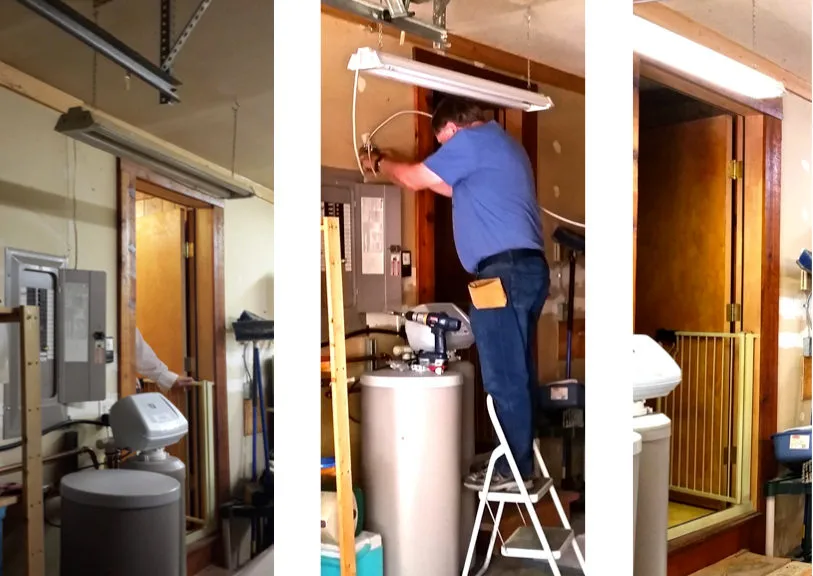
Living Room and Common Areas: Comfort Meets Functionality
The living room is a central gathering place, so it should be both comfortable and easy to navigate. Here are some practical suggestions:
- Furniture Placement: Arrange seating to allow clear, wide paths for walking aids.
- Stable Seating: Choose chairs and sofas with firm cushions and armrests for easier sitting and standing.
- Low-Glare Lighting: Use adjustable lamps and window treatments to reduce eye strain.
- Accessible Controls: Place light switches and thermostats at reachable heights.
For those interested in easy cleaning and maintenance, consider learning about the benefits of microfiber towels for walk-in showers—a small change that can make daily chores more manageable.
Kitchen Upgrades for Senior Accessibility
The kitchen is often the heart of the home, but it can present challenges for those with limited mobility or strength. Try these senior friendly home design ideas for a safer, more accessible kitchen:
- Lowered Countertops: Adjust work surfaces to a comfortable height for seated or standing use.
- Pull-Out Shelves: Install sliding shelves in cabinets for easier access to pots, pans, and pantry items.
- Lever-Style Faucets: Replace twist knobs with levers for easier operation.
- Anti-Fatigue Mats: Place cushioned mats in front of sinks and prep areas to reduce joint strain.
- Easy-to-Read Appliances: Choose appliances with large, clear controls and displays.
Bathroom Safety and Accessibility Features
Bathrooms are a common site for slips and falls, making safety upgrades essential. Consider these modifications:
- Walk-In Showers or Tubs: Eliminate barriers with step-free entries and built-in seating. For more on this, see the walk-in shower non-porous surface benefits for easy cleaning and safety.
- Grab Bars: Install sturdy handrails near toilets, showers, and tubs.
- Non-Slip Mats: Use textured mats inside and outside bathing areas.
- Raised Toilet Seats: Make sitting and standing easier with higher seats and support arms.
- Handheld Showerheads: Offer flexibility and reduce the need for awkward movements.
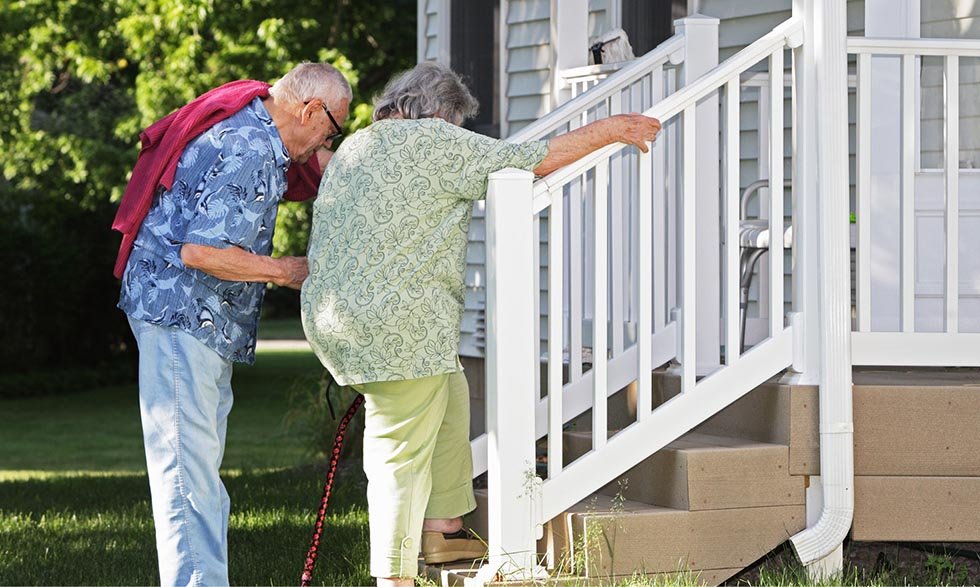
Bedroom Modifications for Restful Nights
Restful sleep is vital for well-being, so the bedroom should be a safe and calming retreat. Try these ideas:
- Bed Height: Adjust the bed so feet touch the floor when sitting on the edge, making it easier to get in and out.
- Clear Pathways: Remove clutter and ensure there’s a wide, unobstructed path from the bed to the bathroom.
- Accessible Storage: Use dressers and closets with easy-to-grip handles and pull-out drawers.
- Night Lighting: Install motion-activated night lights to prevent falls during nighttime trips.
Smart Technology and Emergency Preparedness
Modern technology can enhance safety and peace of mind for seniors and their families. Consider adding:
- Medical Alert Systems: Wearable devices or wall-mounted buttons that call for help in an emergency.
- Smart Home Devices: Voice-activated assistants, automated lighting, and smart thermostats for easier control.
- Video Doorbells: Allow seniors to see and communicate with visitors without opening the door.
For additional support, there are government and community programs that can help with home repairs for seniors, making these upgrades more accessible and affordable.
Funding and Support for Home Modifications
Many families worry about the cost of making a home more accessible. Fortunately, there are resources available to help offset expenses:
- Local Grants and Loans: Some municipalities offer financial assistance for accessibility improvements.
- Nonprofit Organizations: Groups like Rebuilding Together and local agencies may provide free or low-cost home repairs.
- Tax Credits: Certain home modifications may qualify for tax deductions or credits.
Researching available options and seeking professional advice can help you prioritize upgrades and maximize your budget.
Frequently Asked Questions
What are the most important safety features to add for seniors living at home?
Key safety features include grab bars in bathrooms, non-slip flooring, improved lighting, and step-free entrances. These changes help prevent falls and make daily activities easier to manage.
How can I make a kitchen more accessible for an older adult?
Lowering countertops, installing pull-out shelves, and using lever-style faucets are effective ways to improve kitchen accessibility. Appliances with large, easy-to-read controls also enhance usability.
Are there financial resources to help with home modifications for seniors?
Yes, many local governments and nonprofit organizations offer grants, loans, or free services for home modifications. Some upgrades may also qualify for tax credits. It’s worth exploring these options to reduce out-of-pocket costs.