
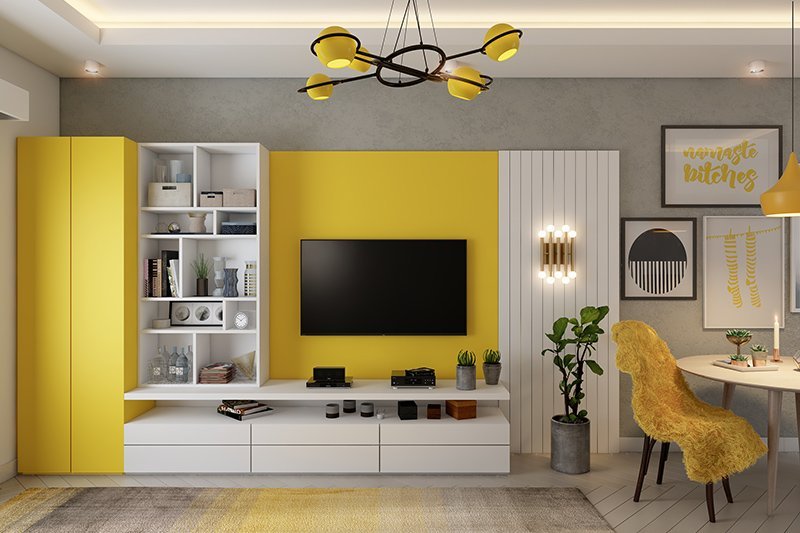
As the sun sets, the way we illuminate our living spaces becomes essential for comfort, safety, and productivity. Lighting for nighttime activity is more than just flipping a switch—it’s about creating the right atmosphere for relaxation, work, or family time while ensuring visibility and minimizing eye strain. Whether you’re reading in the living room, preparing a late meal, or navigating hallways after dark, the right lighting choices can make all the difference.
This article explores practical approaches to optimizing your home’s illumination after dusk. From selecting the best fixtures to understanding how different types of lights affect mood and function, you’ll find actionable advice for every room. For those interested in home safety, you might also want to learn about walk-in shower grab bar weight ratings to ensure secure bathroom environments.
Understanding the Importance of Proper Evening Illumination
The transition from natural daylight to artificial lighting impacts our well-being and daily routines. Insufficient or poorly chosen fixtures can lead to eye fatigue, disrupt sleep cycles, and even pose safety hazards. On the other hand, well-designed lighting for nighttime activity supports everything from focused work to peaceful relaxation.
- Safety: Adequate brightness in hallways, stairs, and entryways reduces the risk of trips and falls.
- Functionality: Task-specific lights in kitchens, offices, and bathrooms help you perform activities efficiently.
- Ambiance: Layered lighting with dimmers and accent fixtures creates a cozy, inviting atmosphere for unwinding.
Types of Lighting for Evening Use
Not all lights are created equal. Understanding the different categories of illumination helps you choose the best solutions for each area of your home.
Ambient Lighting
This is the primary source of brightness in a room, often provided by ceiling fixtures, recessed lights, or large floor lamps. For nighttime, opt for warm white bulbs (2700K–3000K) to create a soothing environment and avoid harsh glare.
Task Lighting for Nighttime Activity
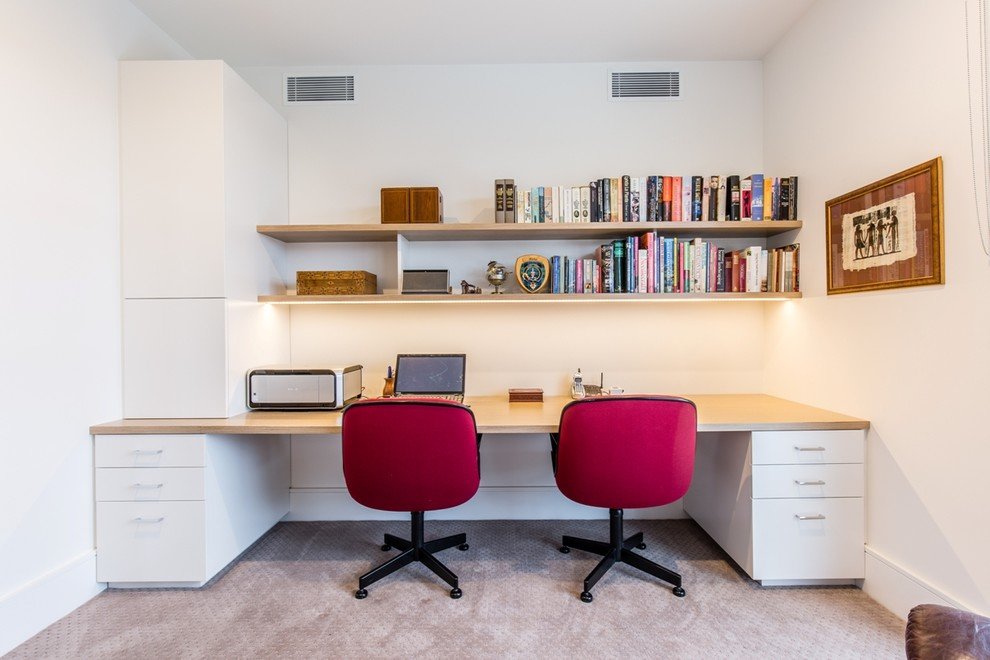
Focused lights such as desk lamps, under-cabinet strips, or reading sconces are crucial for activities like studying, cooking, or hobbies. Adjustable fixtures allow you to direct illumination where you need it most, reducing eye strain and improving productivity.
Accent and Decorative Lighting
Accent lights, such as wall washers, picture lights, or LED strips, highlight architectural features or artwork. These elements add depth and interest, making your home feel more dynamic after dark.
Room-by-Room Strategies for Better Nighttime Lighting
Living Room and Family Spaces
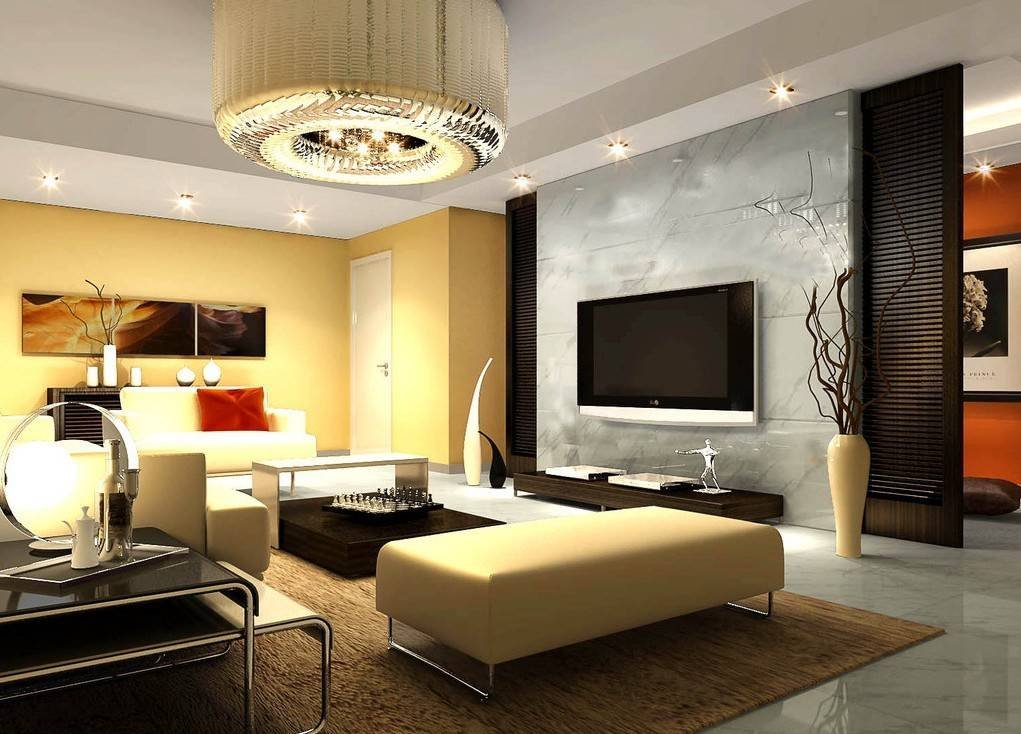
Layering is key in social areas. Combine overhead fixtures with table lamps and floor lamps to provide flexibility. Dimmable options let you adjust brightness for movie nights or gatherings. Consider smart bulbs for easy control via smartphone or voice assistant.
Kitchen and Dining Areas
Under-cabinet lighting is invaluable for food prep after sunset. Pendant lights above islands or dining tables add both style and function. Choose bulbs with a high color rendering index (CRI) to ensure food looks appealing and tasks are performed safely.
Bedrooms and Rest Zones
Soft, indirect lighting helps signal your body to wind down. Bedside lamps with adjustable brightness are ideal for reading or relaxing. Motion-activated night lights can guide you safely if you need to get up during the night without disturbing sleep.
Hallways, Stairs, and Entryways
These transitional spaces benefit from low-level, continuous illumination. LED strips along baseboards or motion-sensor night lights provide safe passage without harshness. For added security, consider fixtures with built-in timers or dusk-to-dawn sensors.
Choosing the Right Bulbs and Fixtures
When selecting bulbs for evening use, consider both brightness and color temperature. Warm white LEDs are generally preferred for relaxation, while cooler whites can be used in workspaces. Energy-efficient options like LEDs and CFLs save on utility costs and last longer than traditional incandescent bulbs.
- LED bulbs: Long lifespan, low energy use, available in many shapes and brightness levels.
- Smart lighting: Allows for remote control, scheduling, and color adjustments to suit your routine.
- Motion sensors: Ideal for hallways, bathrooms, and outdoor areas to enhance safety and convenience.
Tips for Enhancing Lighting for Nighttime Activity
- Layer your lighting: Use a mix of ambient, task, and accent lights for flexibility and comfort.
- Install dimmers: Adjust brightness to match the activity and time of night, reducing glare and eye strain.
- Choose the right placement: Position fixtures to minimize shadows and illuminate key areas.
- Maintain fixtures: Clean shades and bulbs regularly for optimal performance and appearance.
- Consider automation: Smart switches and timers can help manage your lighting schedule effortlessly.
Frequently Asked Questions
What is the best type of lighting for reading at night?
For reading after dark, use a focused task light such as an adjustable desk lamp or bedside sconce. Choose a bulb with a warm white color temperature (2700K–3000K) to reduce eye strain and avoid disrupting your sleep cycle.
How can I make my home safer for nighttime movement?
Install motion-activated night lights in hallways, bathrooms, and near stairs. These provide low-level illumination when needed and help prevent trips or falls. Consider LED strips along baseboards or under cabinets for continuous, subtle guidance.
Are LED lights suitable for all nighttime activities?
Yes, LEDs are versatile and come in a range of brightness levels and color temperatures. They are energy-efficient and can be used for ambient, task, or accent lighting throughout the home. Just be sure to select the appropriate style and color for each activity and room.