
Addressing lighting for temporary hazards is essential for maintaining safety and comfort in any living space. Whether you’re renovating, moving furniture, or dealing with unexpected repairs, these situations can introduce new risks such as tripping, slipping, or bumping into obstacles. Proper illumination helps minimize accidents and ensures that everyone in the home can navigate safely, even when routines are disrupted.
Many homeowners overlook the importance of adaptable lighting during short-term disruptions. However, a well-thought-out approach to temporary lighting can make a significant difference, especially for older adults, children, or anyone with mobility challenges. This article explores practical strategies, product recommendations, and expert tips for managing illumination in areas affected by short-term hazards.
For those interested in broader home safety topics, you may also want to learn about walk-in shower grab bar weight ratings to ensure proper support in the bathroom.
Understanding Temporary Hazards and Their Impact
Short-term hazards can arise from a variety of situations. Common examples include home improvement projects, water leaks, moving large items, or even hosting events that require rearranging furniture. These changes often create unfamiliar pathways, exposed cords, or cluttered walkways, increasing the risk of accidents.
The lack of adequate lighting in these scenarios can make it difficult to spot obstacles or changes in floor level. For households with children, seniors, or pets, the consequences of poor visibility can be especially severe. By recognizing these risks early, you can take proactive steps to ensure safe navigation throughout your home.
Choosing the Right Lighting Solutions for Temporary Hazards
Selecting appropriate lighting for short-term risks requires flexibility and ease of installation. Here are several effective options:
- Portable LED lamps: These are easy to move and can be positioned wherever extra light is needed.
- Motion sensor night lights: Ideal for hallways, bathrooms, and entryways, these lights automatically illuminate when someone approaches.
- Clip-on task lights: Useful for work areas or spaces where detailed tasks are being performed.
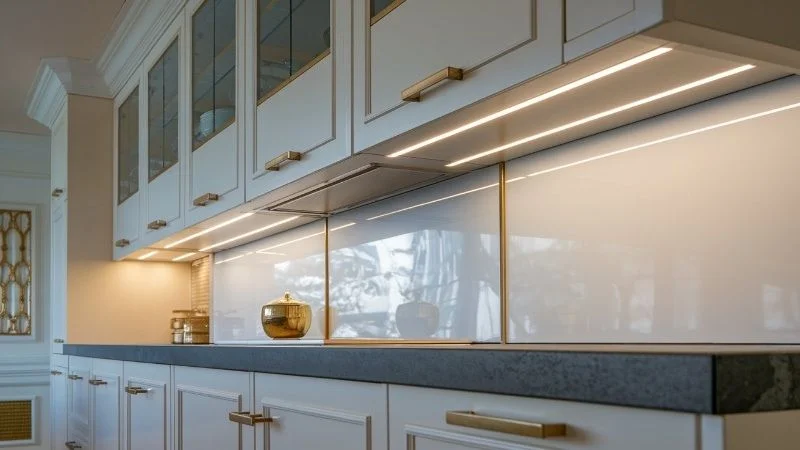
- Under-cabinet lighting: Perfect for kitchens or utility rooms where shadows can hide spills or obstacles.
Key Areas to Illuminate During Short-Term Disruptions
Not all spaces in the home require the same level of attention when it comes to temporary lighting. Focus on these critical areas:
- Entryways and hallways: These are high-traffic zones where tripping hazards are common, especially if furniture or boxes are temporarily stored.
- Staircases: Steps should always be well-lit, particularly if construction or repairs are underway nearby.
- Kitchens and bathrooms: Water spills, tools, or misplaced items can create slip hazards that are difficult to see without proper illumination.
- Garages and basements: These areas often have uneven flooring or clutter that can pose risks during projects or cleanouts.
Practical Tips for Effective Lighting in Temporary Situations
Implementing lighting for temporary hazards is about more than just adding extra lamps. Consider these practical suggestions:
- Use battery-powered lights: These are especially useful during power outages or when electrical outlets are inaccessible.
- Opt for adjustable brightness: Dimmable lights allow you to customize the intensity based on the time of day and activity.
- Secure cords and fixtures: Prevent tripping by taping down extension cords and ensuring that portable lights are stable.
- Test placement at night: Walk through the affected area after dark to identify any remaining shadows or blind spots.

Integrating Lighting with Other Safety Measures
While proper illumination is crucial, it works best when combined with other safety practices. Keep walkways clear of clutter, use non-slip mats in areas prone to moisture, and mark any changes in floor level with brightly colored tape. For those considering more permanent upgrades, exploring walk-in tub frame construction types can further enhance bathroom safety.
Communication is also key. Inform all household members and visitors about temporary changes and the locations of added lighting, especially if the layout has been altered.
Maintaining Flexibility and Readiness
Temporary hazards can arise unexpectedly. Keeping a small kit of portable lights, batteries, and extension cords on hand ensures you can respond quickly to new risks. Regularly check the condition of your lighting equipment and replace batteries as needed.
If you frequently host guests or have family members with limited mobility, consider installing a few permanent motion-activated lights in strategic locations. These can provide peace of mind and reduce the need for last-minute adjustments.
Frequently Asked Questions
What types of lights are best for short-term hazards?
Battery-powered LED lamps, motion sensor night lights, and clip-on task lights are all excellent choices. They are easy to install, portable, and provide sufficient brightness for most temporary situations.
How can I make sure my temporary lighting is effective?
Test your setup at night, ensure all walkways are well-lit, and adjust the placement of lights to eliminate shadows or dark corners. Secure any cords to prevent tripping and choose lights with adjustable brightness when possible.
Are there any other safety measures to use with temporary lighting?
Yes, combine lighting with clutter-free walkways, non-slip mats, and clear communication with household members. Mark any hazards with tape or signs, and consider permanent upgrades in high-risk areas for ongoing safety.