
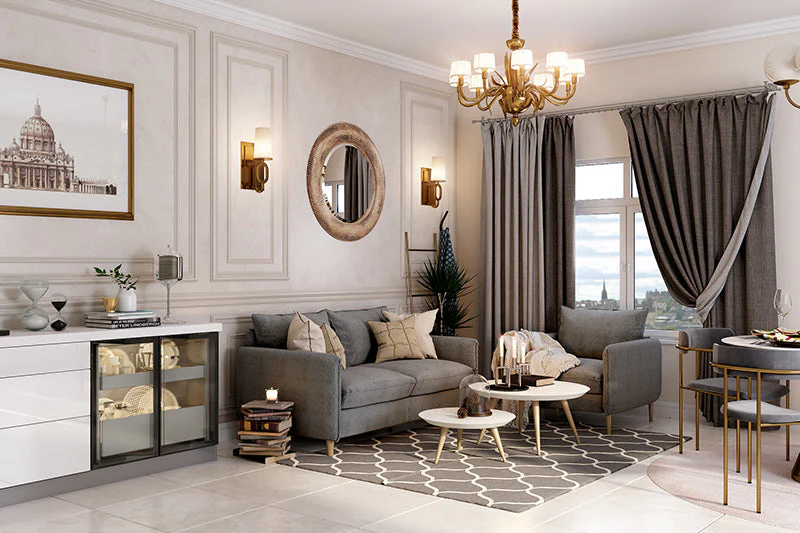
Creating a secure and comfortable living environment starts with the right lighting choices. Proper illumination is a cornerstone of lighting for safety monitoring, helping to prevent accidents, deter intruders, and support the effective use of home security systems. Whether you live alone, with family, or care for someone with mobility challenges, understanding how to optimize your home’s lighting can make a significant difference in overall safety.
This guide explores practical strategies for enhancing visibility in key areas, integrating lighting with monitoring technology, and choosing fixtures that balance efficiency with peace of mind. For those interested in broader home safety solutions, you may also find value in learning about walk-in shower grab bar weight ratings to ensure proper support in bathrooms.
Why Lighting Matters for Home Security and Safety
Adequate lighting is more than just a matter of convenience. It plays a critical role in accident prevention, especially in high-traffic areas such as hallways, staircases, and entryways. Well-placed lights reduce the risk of trips and falls, particularly for seniors and children. In addition, strategic illumination can deter unwanted visitors by eliminating dark corners and making it easier for security cameras to capture clear footage.
Integrating lighting for safety monitoring with home security systems enhances both detection and response. Motion-activated lights, for example, can alert homeowners to movement outside or inside the property, while also providing clear visuals for surveillance cameras.
Key Areas to Illuminate for Maximum Protection
To maximize the benefits of lighting for home safety, focus on these essential zones:
- Entrances and Exits: Ensure all doors, including the garage and back entrances, are well-lit to discourage break-ins and support safe access.
- Stairways and Hallways: Install bright, even lighting to prevent falls and make navigation easier at night.
- Outdoor Pathways: Use pathway lights or motion sensors to guide movement and highlight potential hazards.
- Living Spaces: Provide sufficient ambient and task lighting in living rooms, kitchens, and bathrooms to support daily activities and emergency situations.
- Perimeter and Yard: Illuminate fences, driveways, and garden areas to increase visibility and deter trespassers.
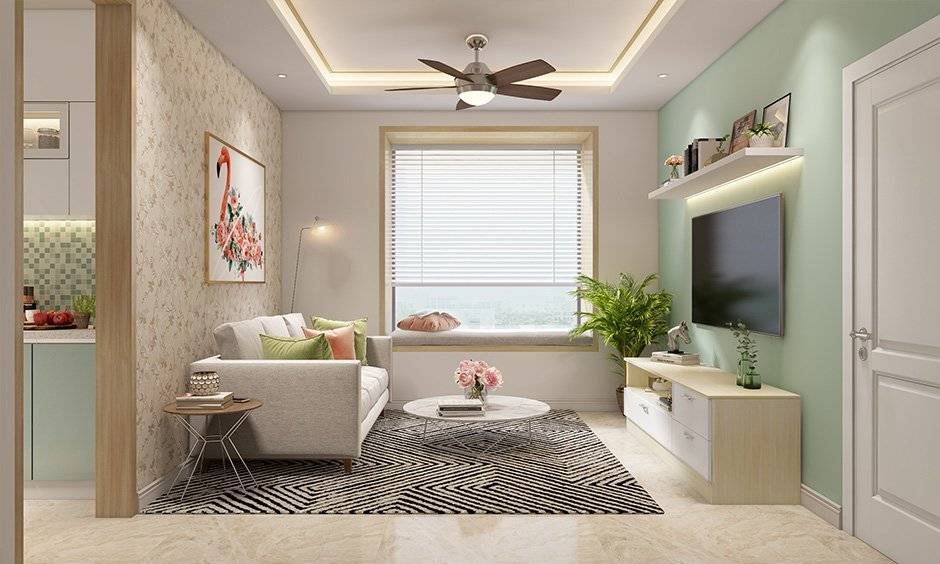
Choosing the Right Fixtures for Safety Monitoring
Selecting appropriate lighting fixtures is vital for effective safety monitoring. Here are some popular options and their advantages:
- LED Recessed Lights: These fixtures offer bright, even coverage and are energy-efficient, making them ideal for hallways, kitchens, and living rooms.
- Motion Sensor Lights: Automatically activate when movement is detected, providing instant illumination for entryways, staircases, or outdoor spaces.
- Night Lights: Plug-in or battery-powered night lights help guide movement in bedrooms, bathrooms, and corridors without disturbing sleep.
- Smart Lighting Systems: Integrate with home automation and security platforms, allowing remote control, scheduling, and real-time alerts.
When choosing fixtures, consider brightness (measured in lumens), color temperature (warm or cool light), and compatibility with existing security systems. Opt for products with long lifespans and low maintenance requirements to ensure continuous protection.

Integrating Lighting with Home Monitoring Systems
Modern home safety solutions often combine lighting with monitoring technologies. Smart bulbs and fixtures can be linked to security cameras, motion detectors, and alarm systems. This integration allows for automated lighting responses, such as turning on exterior lights when motion is detected or flashing lights during an alarm event.
Many smart lighting systems are compatible with voice assistants and mobile apps, offering remote access and real-time notifications. This not only improves convenience but also ensures that your home remains well-lit and secure, even when you’re away.
Tips for Enhancing Safety with Lighting
- Layer Lighting: Combine ambient, task, and accent lighting to eliminate shadows and improve visibility in every room.
- Use Timers and Schedules: Program lights to turn on and off at specific times to simulate occupancy and support routines.
- Maintain Fixtures: Regularly check bulbs and sensors to ensure they function correctly, replacing them as needed.
- Consider Energy Efficiency: Choose LED bulbs and fixtures for long-lasting, cost-effective illumination.
- Test Emergency Lighting: Install and periodically test backup lights or battery-powered options for use during power outages.
Additional Resources for Home Safety
If you’re interested in other ways to improve safety and accessibility at home, consider exploring topics such as walk-in tub frame construction types or understanding walk-in tub warranty terms. These resources provide valuable insights into making your living space safer and more comfortable for everyone.
Frequently Asked Questions
What type of lighting is best for monitoring home safety?
The most effective options include LED recessed lights for general coverage, motion sensor lights for entryways and outdoor areas, and smart lighting systems that can be integrated with security cameras and alarms. These choices offer bright, reliable illumination and can be automated for added convenience.
How does lighting help prevent accidents at home?
Proper illumination reduces shadows and highlights potential hazards, such as steps, cords, or uneven flooring. This is especially important in stairways, hallways, and bathrooms, where slips and falls are more likely to occur. Night lights and pathway lighting can also guide safe movement after dark.
Can lighting deter intruders?
Yes, well-lit exteriors and entry points make it more difficult for intruders to approach undetected. Motion-activated lights can startle potential trespassers and draw attention to suspicious activity, while also improving the effectiveness of security cameras by providing clearer footage.