
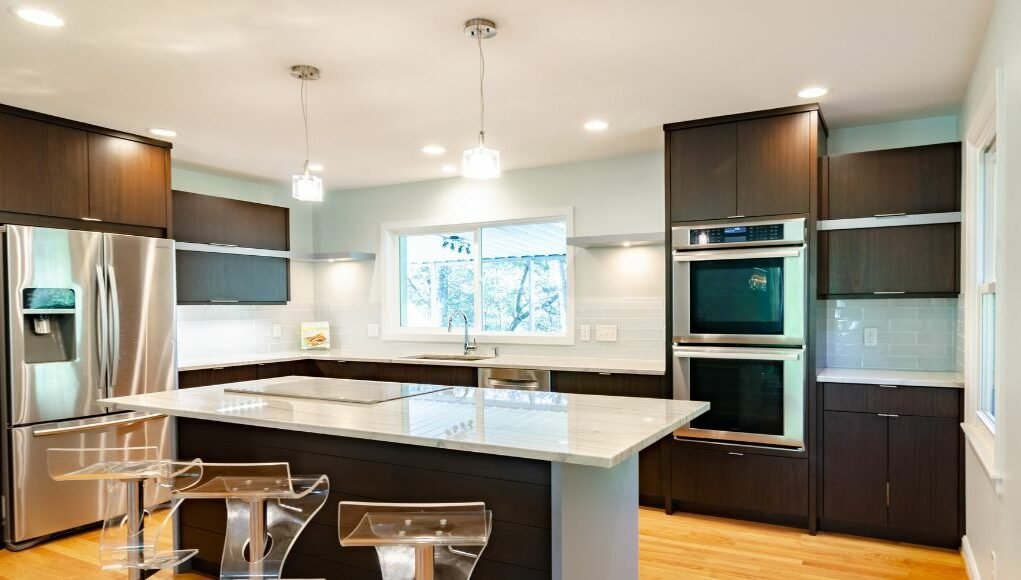
Navigating your home or workspace in the early hours can be challenging, especially when natural light is limited. Proper lighting for early morning safety is essential for reducing accidents, enhancing visibility, and creating a comfortable environment. Whether you’re preparing breakfast, heading out for a morning jog, or simply moving through your home before sunrise, thoughtful illumination can make a significant difference in your daily routine.
This guide explores practical solutions for improving visibility and minimizing hazards during low-light hours. We’ll cover essential lighting types, placement strategies, and product recommendations to help you create a safer, more functional space. For those interested in extending safety measures outdoors, consider reviewing lighting for walkways to further enhance visibility around your property.
Why Prioritize Early Morning Illumination?
The hours before sunrise present unique challenges. Reduced visibility can increase the risk of slips, trips, and falls, especially in high-traffic areas like kitchens, hallways, and entryways. For families with children or older adults, the importance of lighting for early morning safety becomes even more pronounced.
Effective lighting not only prevents accidents but also supports your body’s natural wake-up process. Exposure to gentle, well-placed illumination can help regulate circadian rhythms and make early mornings feel less jarring.
Types of Lighting That Enhance Morning Safety
Selecting the right fixtures and bulbs is crucial for optimizing visibility without causing glare or discomfort. Here are some of the most effective options:
- Ambient Lighting: Provides general illumination for a room. Ceiling-mounted fixtures, recessed lights, or flush mounts are common choices for kitchens and hallways.
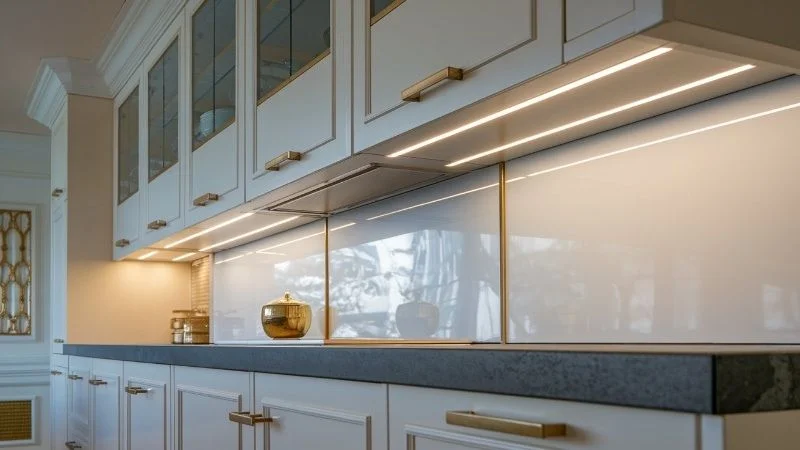
- Task Lighting: Focuses light on specific areas where activities occur, such as countertops, desks, or bathroom mirrors. Under-cabinet lights and adjustable desk lamps are popular for targeted brightness.
- Accent Lighting: Highlights architectural features or pathways, helping to define spaces and guide movement in low-light conditions.
- Motion Sensor Lights: Automatically activate when movement is detected, providing hands-free convenience and immediate illumination when needed.
- Night Lights: Offer a soft glow to help you navigate hallways, stairs, or bathrooms without turning on harsh overhead lights.
For a deeper dive into fixture types and their best uses, explore this comprehensive guide to indoor lighting types.
Strategic Placement for Maximum Visibility
Where you position your lights is just as important as the type you choose. Focus on these key areas to maximize safety:
- Entryways and Foyers: Install ceiling fixtures or wall sconces to eliminate dark spots where shoes, bags, or rugs can become tripping hazards.
- Hallways: Use evenly spaced recessed lights or wall-mounted night lights to create a clear path from bedrooms to bathrooms or kitchens.
- Kitchens: Under-cabinet lighting ensures countertops are well-lit for meal prep, while toe-kick lights can illuminate the floor for added safety.
- Staircases: Step lights or LED strips along the railing provide crucial visibility to prevent missteps.
- Bathrooms: Low-level night lights or dimmable vanity lights help you see without fully waking yourself up.
If you have outdoor stairs or pathways, consider reviewing lighting for outdoor stairs and lighting for pathways for additional safety strategies.
Choosing the Right Bulbs for Morning Hours
The color temperature and brightness of your bulbs can influence both safety and comfort. For early mornings, opt for bulbs in the 2700K–3000K range, which emit a warm, inviting glow that’s easy on the eyes. Avoid overly bright or cool-toned lights, as these can feel harsh and disrupt your natural waking process.
- LED Bulbs: Energy-efficient, long-lasting, and available in a variety of color temperatures.
- Dimmable Options: Allow you to adjust brightness as needed, gradually increasing light levels as you wake up.
- Smart Bulbs: Can be programmed to turn on gradually or at set times, supporting a gentle transition from darkness to daylight.
For workspaces or home offices, you may want to review lighting for home offices to ensure both productivity and safety in the early hours.
Integrating Automation and Smart Controls
Automation can play a key role in enhancing early morning safety and visibility. Motion sensors, timers, and smart home systems can ensure lights are always on when you need them, without fumbling for switches in the dark.
- Motion Sensor Night Lights: Ideal for hallways and bathrooms, these activate only when movement is detected, saving energy and providing instant illumination.
- Programmable Timers: Set lights to turn on just before your alarm, so you wake up to a softly lit environment.
- Voice Control: Smart assistants can turn lights on or off with simple voice commands, adding convenience and accessibility.

Tips for Safe and Effective Morning Lighting
- Layer Your Lighting: Combine ambient, task, and accent lights to create a balanced environment that minimizes shadows and glare.
- Keep Pathways Clear: Ensure that cords, rugs, and furniture don’t obstruct light or create tripping hazards.
- Regular Maintenance: Replace burnt-out bulbs promptly and clean fixtures to maintain optimal brightness.
- Consider Occupants’ Needs: Adjust brightness and placement for children, older adults, or anyone with vision challenges.
- Test and Adjust: Walk through your home in the early morning to identify dark spots or overly bright areas, then tweak your setup as needed.
For those who enjoy DIY projects or crafting in the early hours, lighting for workshops offers targeted advice on creating a safe and productive workspace.
Frequently Asked Questions
What is the best type of lighting for early morning safety in the kitchen?
Under-cabinet LED lights and recessed ceiling fixtures are ideal for kitchens. They provide focused illumination on countertops and walkways, reducing shadows and making it easier to see while preparing food or moving around.
How can I make my hallway safer during low-light hours?
Install motion sensor night lights or low-level wall sconces along the hallway. These options automatically light up as you walk, ensuring a clear path without the need to manually switch on overhead lights.
Are smart bulbs worth it for early morning routines?
Yes, smart bulbs can be programmed to gradually increase brightness before your alarm goes off, helping you wake up naturally and safely. They also offer flexibility to adjust color temperature and intensity based on your preferences.