
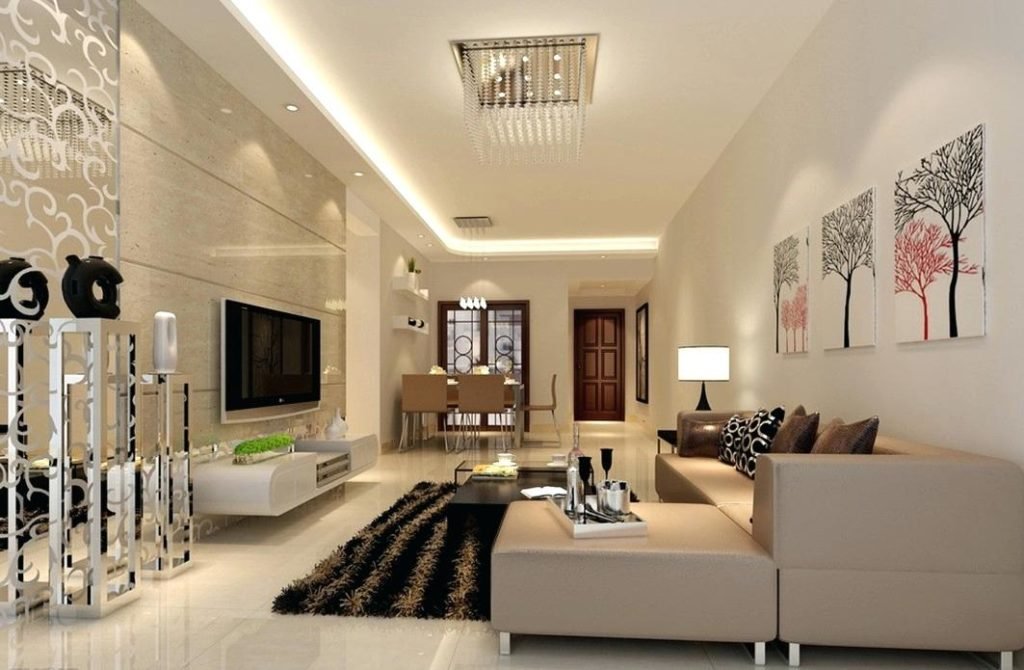
Effective lighting for hazard detection is essential in both residential and commercial environments. Proper illumination not only helps identify potential dangers but also enables people to respond quickly, reducing the risk of accidents and injuries. Whether you are enhancing safety at home, in the workplace, or in public spaces, understanding how to design and implement the right lighting solutions can make a significant difference.
This guide explores the principles, strategies, and practical steps for optimizing lighting to improve visibility, support rapid response, and create safer environments for everyone. We’ll cover the types of lighting best suited for spotting hazards, key placement tips, and how to select products that meet your specific needs.
For those interested in extending safety beyond interiors, consider exploring lighting for walkways to further enhance visibility and reduce risks in outdoor areas.
Why Proper Illumination Is Critical for Safety
Insufficient lighting is a leading contributor to slips, trips, and falls, especially in areas with frequent foot traffic or potential obstacles. By ensuring that spaces are well-lit, you make it easier to identify hazards such as wet floors, uneven surfaces, or misplaced objects. This is particularly important in environments where quick action is necessary, such as stairwells, hallways, and entryways.
Good lighting also supports the use of safety signage and markings, making them more visible and effective. In emergency situations, clear visibility can be the difference between a timely response and a delayed reaction.
Types of Lighting for Improved Hazard Awareness
Selecting the right kind of illumination is key to maximizing safety. Here are some of the most effective types of lighting for identifying and responding to hazards:
- Ambient lighting: Provides general illumination for an entire area, reducing shadows and making it easier to spot obstacles.
- Task lighting: Focuses light on specific areas where hazards are more likely, such as workstations, kitchen counters, or stair treads.
- Accent lighting: Highlights potential danger zones, including steps, ramps, or changes in floor level.
- Motion-activated lights: Automatically illuminate when movement is detected, offering immediate visibility in dark or infrequently used spaces.

Strategic Placement for Effective Hazard Detection
Where you position your lights is just as important as the type you choose. To maximize safety, focus on these areas:
- Entrances and exits: Ensure all doorways are well-lit to prevent tripping or stumbling.
- Staircases and ramps: Use focused lighting to highlight each step or incline, making elevation changes clear.
- Hallways and corridors: Maintain consistent illumination to avoid dark spots where hazards may go unnoticed.
- Outdoor paths and driveways: Install weather-resistant fixtures to improve nighttime visibility and deter unwanted activity.
- Work areas: Place task lights where detailed activities occur, such as in kitchens, workshops, or garages.
For more detailed advice on specific locations, you might find our resources on lighting for outdoor stairs and lighting for pathways helpful.
Choosing the Right Products for Safety and Efficiency
Not all lighting products are created equal when it comes to hazard detection. Here are some features to look for:
- Brightness: Opt for fixtures with adequate lumens to clearly illuminate the intended area without causing glare.
- Color temperature: Cooler white light (4000K–5000K) enhances contrast and detail, making hazards more visible.
- Energy efficiency: LED lights consume less power and last longer, making them a cost-effective choice for continuous use.
- Smart controls: Motion sensors, timers, and dimmers allow for responsive lighting that adapts to usage patterns and emergencies.
- Durability: Choose weatherproof and impact-resistant fixtures for outdoor or high-traffic areas.
Best Practices for Maintaining Safe Lighting Systems
Even the best lighting setup requires regular attention to remain effective. Here are some maintenance tips:
- Inspect regularly: Check for burnt-out bulbs, damaged fixtures, or blocked light sources.
- Clean lenses and covers: Dust and grime can reduce brightness and clarity, making hazards harder to see.
- Test motion sensors and timers: Ensure automated systems are responsive and functioning as intended.
- Upgrade outdated fixtures: Replace older lights with modern, energy-efficient options for better performance.
For those working on home improvement projects, our article on lighting for workshops covers additional safety considerations for DIY and crafting spaces.
Integrating Lighting with Other Safety Measures
While illumination plays a crucial role, it should be part of a broader safety strategy. Combine lighting with clear signage, non-slip surfaces, and regular safety audits to create a comprehensive risk management plan. In high-risk areas, consider using illuminated exit signs and emergency backup lighting to ensure visibility during power outages.
Smart lighting systems can also be integrated with security cameras and alarm systems, providing an added layer of protection and enabling faster response in emergencies.
FAQ: Lighting and Hazard Prevention
What type of lighting is best for detecting hazards in stairwells?
Bright, evenly distributed lighting is ideal for stairwells. Use LED fixtures with a cool white color temperature to enhance visibility and clearly define each step. Motion-activated lights can provide additional safety by ensuring the area is always illuminated when needed.
How often should I check my lighting systems for safety?
It’s recommended to inspect lighting fixtures at least once a month. Look for burnt-out bulbs, damaged wiring, or anything that could obstruct the light. Regular cleaning and prompt replacement of faulty components help maintain optimal safety.
Can smart lighting improve hazard detection?
Yes, smart lighting systems with motion sensors, timers, and remote controls can significantly enhance hazard awareness. These features ensure that lights are always on when needed, adapt to changing conditions, and can even alert you to unusual activity or failures.
By following these guidelines and staying proactive, you can create environments that are safer, more responsive, and better equipped to prevent accidents. For more ideas on optimizing illumination for both safety and productivity, see our tips on lighting for home offices.