
Safe and comfortable bathing is a top priority for many seniors, people with mobility challenges, and anyone seeking a more accessible bathroom experience. What are walk-in tubs? These specialized bathtubs are designed to make entering, exiting, and enjoying a bath much easier and safer than traditional tubs. They offer a range of features that address common concerns such as slips, falls, and difficulty stepping over high tub walls.
In this article, you’ll learn about the unique design of these tubs, their benefits, types, installation considerations, and how they compare to other accessible bathing solutions. If you’re considering a bathroom upgrade for yourself or a loved one, understanding the options available can help you make an informed decision. For more ideas on making your home safer and more comfortable, check out our guide on simple home upgrades for elderly comfort.
Understanding the Features of Accessible Bathtubs
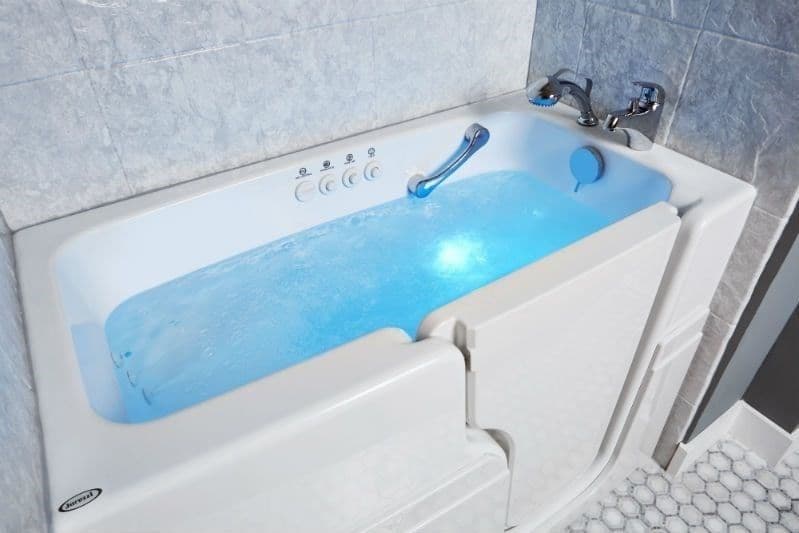
At their core, walk-in tubs are bathtubs with a watertight door on the side, allowing users to step in over a low threshold rather than climbing over a high wall. Once inside, the door seals shut, and the tub fills with water. Most models include a built-in seat, grab bars, non-slip flooring, and easy-to-reach controls. These features are designed to minimize the risk of slips and falls, making bathing more secure for people with limited mobility.
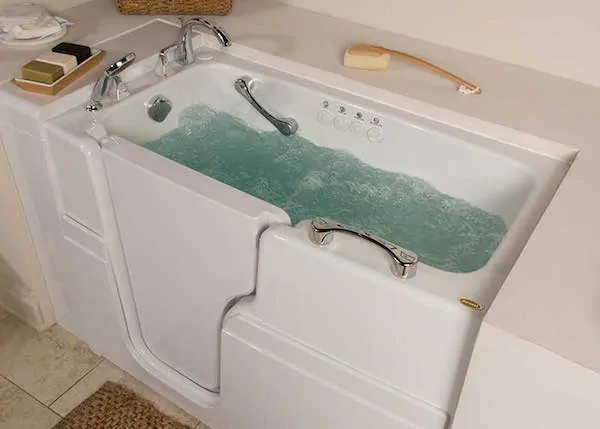
Many accessible tubs also offer therapeutic options such as hydrotherapy jets, air bubbles, heated surfaces, and quick-drain technology. These additions can help soothe sore muscles, improve circulation, and provide a spa-like experience at home.
Types of Walk-In Bathtubs and Their Benefits
There are several variations of these accessible tubs, each designed to meet different needs and preferences. Here are some of the most common types:
- Soaker Tubs: The most basic style, offering a deep soak and a comfortable seat without jets or extra features.
- Hydrotherapy Tubs: Equipped with water jets for a massaging effect, ideal for people with arthritis or chronic pain.
- Air Jet Tubs: Use air bubbles for a gentler massage, suitable for sensitive skin or those who prefer a softer touch.
- Bariatric Models: Built with wider doors and reinforced frames to accommodate larger users safely.
- Wheelchair-Accessible Tubs: Feature extra-wide doors and low thresholds for easy transfer from a wheelchair.
The primary advantage of these tubs is improved safety. The low step-in height, built-in seating, and sturdy grab bars significantly reduce the risk of falls. For many, the ability to bathe independently is a major boost to confidence and quality of life.
In addition to safety, therapeutic features can provide relief from joint pain, muscle stiffness, and circulation issues. For those managing chronic conditions, these benefits can make a noticeable difference in daily comfort.
How Walk-In Bathtubs Compare to Other Accessible Bathing Solutions
When considering accessible bathing, it’s helpful to compare these tubs to other options such as roll-in showers and transfer benches. While roll-in showers offer easy wheelchair access and quick entry, they may lack the therapeutic and relaxation benefits of a deep soaking tub. Transfer benches can help with traditional tubs, but they don’t address the risk of slipping on a wet floor or the challenge of getting in and out.
For a broader look at making bathrooms safer, you might also be interested in our article on DIY home safety improvements for seniors.
Ultimately, the right choice depends on individual needs, bathroom layout, and personal preferences. Some people prefer the convenience and speed of a shower, while others value the comfort and therapeutic benefits of a soaking tub.
Installation and Maintenance Considerations
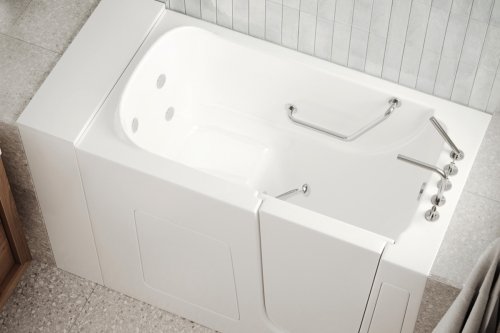
Installing a walk-in bathtub typically requires professional help. The process involves removing the old tub, preparing the plumbing, and fitting the new unit. Most models are designed to fit into the space of a standard bathtub, but some bathroom modifications may be needed, especially for larger or wheelchair-accessible models.
Maintenance is generally straightforward. Regular cleaning with non-abrasive products helps keep the tub and its features in good condition. It’s important to check the door seal and drain regularly to ensure they remain watertight and function properly.
For those concerned about energy use or water bills, some models are designed to fill and drain quickly, reducing wait times and water consumption. If you’re interested in managing utility costs, our resource on utility bill assistance programs for seniors may be helpful.
Cost, Insurance, and Financial Assistance
The price of a walk-in bathtub can range from $2,000 to over $10,000, depending on features, size, and installation requirements. While this is a significant investment, many find the safety and independence it provides to be well worth the cost.
Insurance coverage for these tubs varies. Medicare typically does not cover the cost, but some Medicaid programs or long-term care insurance policies may offer assistance. There are also grants, tax credits, and local programs that can help offset expenses. For more details, see our guide on home improvement tax credits for elderly.
It’s wise to get multiple quotes and ask about warranties, installation services, and after-sales support before making a purchase.
Who Should Consider a Walk-In Bathtub?
These accessible tubs are ideal for seniors, people with disabilities, and anyone who finds it difficult or unsafe to use a standard bathtub. They are also a good choice for caregivers who assist with bathing, as the design reduces strain and risk for both parties.
If you or a loved one is experiencing reduced mobility, frequent slips, or simply wants a safer and more comfortable bathing experience, a walk-in tub can be a life-changing upgrade.
Additional Resources and Alternatives
For those exploring all accessible bathing options, it’s helpful to compare the benefits of walk-in tubs with other solutions. For example, the advantages of walk-in showers for elderly users can be significant, especially in smaller bathrooms or for those who prefer showering to bathing.
Each home and individual has unique needs, so take time to assess what will work best for your situation. Consulting with occupational therapists or home safety experts can provide valuable guidance.
Frequently Asked Questions
Are walk-in tubs safe for people with limited mobility?
Yes, these tubs are specifically designed for safety. Features like low entry thresholds, built-in seating, grab bars, and non-slip surfaces help reduce the risk of falls and make bathing safer for those with mobility challenges.
How long does it take to fill and drain a walk-in bathtub?
Most models fill and drain in about 6–10 minutes, though this can vary by tub size and home plumbing. Some premium models offer fast-fill and quick-drain technology to minimize wait times.
Can walk-in tubs be installed in any bathroom?
Many are designed to fit in the space of a standard bathtub, but some bathrooms may require modifications, especially for larger or wheelchair-accessible units. It’s best to consult with a professional installer to assess your space.
Do these tubs require special maintenance?
Routine cleaning with mild, non-abrasive cleaners is usually sufficient. It’s important to regularly check the door seal and drain for proper function to prevent leaks.