
As veterans age, maintaining a safe and comfortable home environment becomes increasingly important. Many older veterans face challenges with home repairs due to limited mobility, fixed incomes, or health concerns. Fortunately, there are a variety of veterans home repair benefits for seniors designed to help eligible individuals stay independent and secure in their own homes. These resources can make a significant difference, whether the need is for essential repairs, accessibility modifications, or general home improvements.
Understanding which programs are available, how to qualify, and what types of assistance can be accessed is crucial for veterans and their families. In this article, we’ll explore the main options, eligibility requirements, and practical steps to get started. If you’re also interested in broader support, you may want to review free home repairs for elderly programs, which can complement veteran-specific resources.
Understanding Assistance Programs for Veteran Home Repairs
There are several national and local programs that provide home repair support for senior veterans. These initiatives are designed to help with everything from minor safety updates to major structural repairs. Some are run by the federal government, while others are managed by state agencies or nonprofit organizations.
- VA Specially Adapted Housing (SAH) Grants: These grants help veterans with service-connected disabilities adapt their homes for better accessibility. Modifications may include ramps, widened doorways, or bathroom renovations.
- VA Home Improvements and Structural Alterations (HISA) Grants: HISA grants cover medically necessary improvements, such as installing handrails or modifying kitchens and bathrooms.
- USDA Rural Repair and Rehabilitation Grants: For veterans living in rural areas, the USDA offers grants and loans to repair, improve, or modernize homes. Seniors aged 62 and older may qualify for grant assistance.
- Nonprofit Programs: Organizations like Rebuilding Together and Habitat for Humanity often provide free or low-cost repairs for elderly veterans, focusing on safety and accessibility.
For a comprehensive overview of additional options, the Griswold Home Care guide to home repair assistance for seniors is a helpful resource.
Eligibility and Application Process for Senior Veterans
Qualifying for senior veteran home repair assistance typically depends on several factors, including age, income, disability status, and military service history. Here’s what you need to know:
- Service Requirements: Most federal programs require proof of honorable discharge and a minimum period of active duty service.
- Age and Income: Many grants and loans are targeted at veterans aged 62 and older, with income limits to prioritize those most in need.
- Disability Status: Some benefits, like the SAH and HISA grants, are specifically for veterans with service-connected disabilities.
- Home Ownership: Applicants usually need to own and occupy the home being repaired or modified.
The application process varies by program but generally involves submitting documentation of military service, proof of income, and details about the needed repairs. It’s important to gather all necessary paperwork in advance and to reach out to local VA offices or nonprofit organizations for guidance.
Types of Repairs and Modifications Covered
The range of veterans home repair benefits for seniors covers both essential repairs and accessibility upgrades. Common improvements include:
- Installing wheelchair ramps and stair lifts
- Widening doorways and hallways for mobility devices
- Adding grab bars and non-slip flooring in bathrooms
- Repairing roofs, windows, and heating systems
- Addressing electrical or plumbing hazards
- Improving lighting for safety, such as lighting for garden safety or lighting for rainy conditions
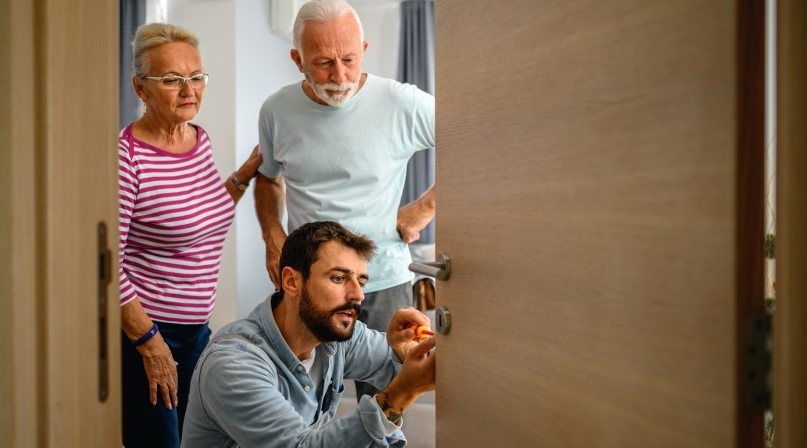
These modifications not only improve comfort but also reduce the risk of falls and injuries, supporting independent living for older veterans.
How to Maximize Home Repair Support for Aging Veterans
To get the most out of available repair benefits for senior veterans, consider these practical steps:
- Start with a Home Assessment: Identify which repairs or adaptations are most urgent. Many local agencies offer free safety assessments for older adults.
- Combine Resources: Veterans can often use multiple programs together, such as pairing a VA grant with low income senior home improvement programs or local nonprofit aid.
- Seek Expert Help: Reach out to veteran service officers (VSOs), Area Agencies on Aging, or local nonprofits for assistance with applications and paperwork.
- Plan for the Future: Consider long-term needs, such as lighting for water hazards, to prevent accidents as mobility changes over time.
Taking a proactive approach ensures that repairs are completed efficiently and that veterans remain safe at home for as long as possible.
Additional Resources and Support Networks
Beyond direct financial assistance, there are many organizations and community groups dedicated to helping older veterans maintain their homes. These include:
- Local Veterans Affairs Offices: Provide information on federal and state programs, as well as help with applications.
- Nonprofit Organizations: Groups like Rebuilding Together and Habitat for Humanity often run volunteer-driven repair projects for seniors.
- Community Action Agencies: Offer weatherization, energy efficiency upgrades, and emergency repairs for low-income households.
- Peer Support Networks: Veteran groups and senior centers can connect individuals with trusted contractors and share tips on navigating benefits.

Staying connected with these resources can help veterans and their families navigate the process and ensure their homes remain safe and comfortable.
Frequently Asked Questions
What types of home repairs are typically covered for senior veterans?
Most programs focus on essential repairs and accessibility upgrades, such as installing ramps, grab bars, non-slip flooring, and fixing critical systems like heating, plumbing, or roofing. Some grants also support major modifications for veterans with disabilities.
How can I find out if I qualify for veteran home repair assistance?
Eligibility is based on factors like age, income, military service, disability status, and home ownership. Contact your local VA office or a veteran service officer for personalized guidance and help with the application process.
Can veterans combine multiple repair programs for greater support?
Yes, it’s often possible to use federal, state, and nonprofit resources together. For example, a veteran might receive a VA grant and also qualify for free home repairs for elderly or low income senior home improvement programs in their area.
Are there home repair benefits for veterans living in rural areas?
Absolutely. The USDA Rural Repair and Rehabilitation program offers grants and loans specifically for seniors in rural communities, including veterans. These can be used for repairs, safety upgrades, and modernization.
Navigating veterans home repair benefits for seniors can seem complex, but with the right information and support, older veterans can access the help they need to live safely and comfortably at home.