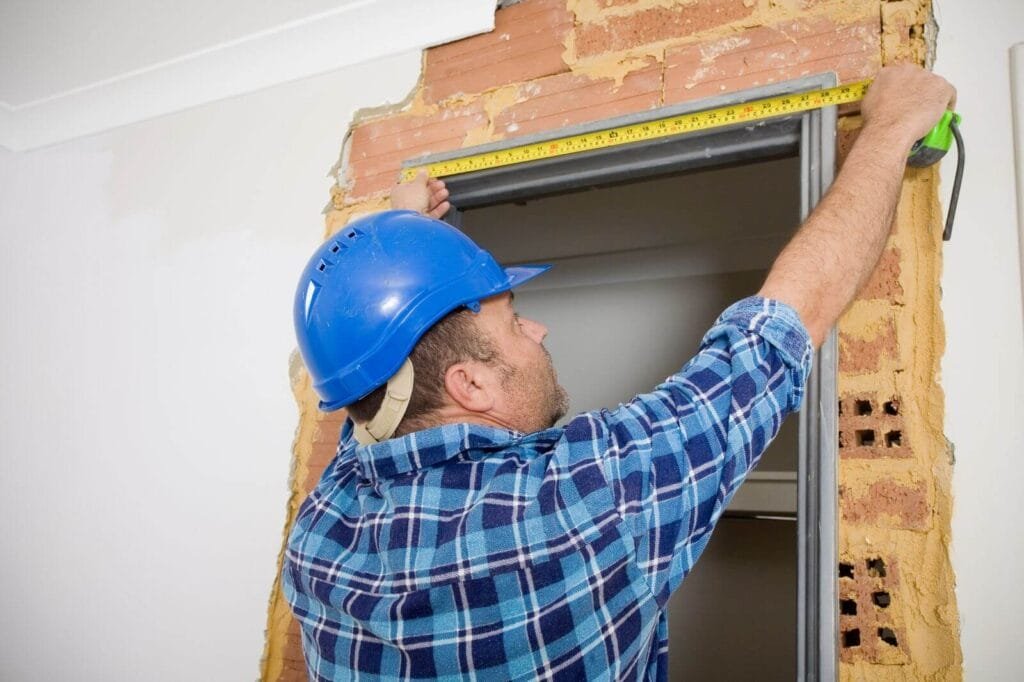
Many older adults face challenges maintaining their homes, especially when unexpected repairs arise. For those living on a limited income, the cost of fixing urgent issues—like a leaking roof, broken heating, or unsafe stairs—can be overwhelming. Addressing these problems quickly is vital for safety, comfort, and health. This article explores practical solutions, available resources, and actionable steps for seniors and their families seeking help with urgent home repairs for low income seniors.
Navigating the world of assistance programs and community resources can feel daunting, but there are organizations and government initiatives dedicated to helping older adults stay safe in their homes. If you are searching for more comprehensive options, you may also find value in guides like free home repairs for elderly, which outlines additional support programs.
Why Immediate Repairs Matter for Older Adults
When critical repairs are delayed, the risks for seniors increase significantly. Issues like faulty wiring, damaged flooring, or lack of heating can lead to falls, illness, or even hospitalization. For those with mobility challenges or chronic health conditions, a safe and accessible home environment is essential. Timely fixes not only prevent further damage but also support independence and well-being.
Common Emergency Repairs in Senior Households
Certain home issues require prompt attention to avoid injury or further deterioration. The most frequent urgent repairs for older adults on a tight budget include:
- Plumbing leaks that cause water damage or mold growth
- Broken heating or air conditioning during extreme weather
- Electrical hazards such as exposed wires or faulty outlets
- Roof leaks or missing shingles
- Unsafe stairs, railings, or entryways
- Damaged flooring that increases fall risk
- Inadequate lighting in key areas, especially for those with vision concerns
Many of these repairs are not just about comfort—they are about preventing accidents and keeping seniors in their homes longer. For more information on improving home safety, resources like lighting for garden safety can offer additional tips.
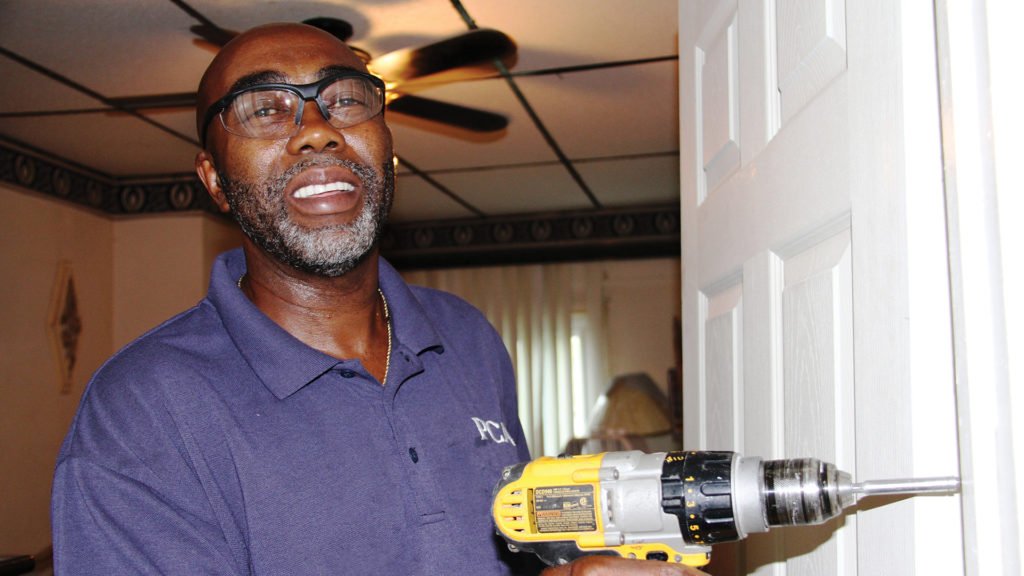
How to Find Help with Urgent Home Repairs
Accessing assistance for emergency fixes can make a significant difference for older adults with limited financial means. Here are some of the most effective ways to seek help:
Government and Nonprofit Programs
Many local, state, and federal programs are designed to support seniors with home maintenance. For example, the U.S. Department of Housing and Urban Development (HUD) and the U.S. Department of Agriculture (USDA) both offer grants and low-interest loans for critical repairs. Nonprofit organizations like Rebuilding Together and Habitat for Humanity also provide free or reduced-cost services for qualifying households.
For a more detailed breakdown of available support, the low income senior home improvement programs guide offers a comprehensive overview of eligibility and application processes.
Local Agencies and Community Resources
Area Agencies on Aging, community action agencies, and faith-based groups often have emergency assistance funds or volunteer repair teams. These organizations understand the unique needs of older adults and can connect families to trusted local contractors or handymen.
Utility Company Assistance
Some utility providers offer weatherization, heating, or cooling assistance programs for seniors. These services can include furnace repairs, insulation, or even replacing old appliances to improve safety and efficiency.
Steps to Take When Facing an Emergency Repair
When a critical issue arises, acting quickly is important. Here’s a step-by-step approach for seniors and caregivers:
- Assess the urgency. Is the problem a safety hazard or likely to get worse quickly?
- Document the issue. Take photos and write down details for insurance or assistance applications.
- Contact local agencies. Reach out to your Area Agency on Aging, city housing office, or community organizations for immediate help.
- Apply for emergency programs. Many nonprofits and government offices have fast-track applications for urgent needs.
- Get multiple estimates. If you must hire a contractor, compare prices and check references to avoid scams.
- Follow up. Keep records of all communications and receipts for future reference.

Tips for Preventing Future Emergencies
While not all urgent repairs can be anticipated, regular maintenance can help reduce the risk of sudden problems. Here are a few practical tips:
- Schedule annual inspections for heating, plumbing, and electrical systems.
- Install grab bars, non-slip flooring, and adequate lighting in high-risk areas. For more on this, see lighting for water hazards.
- Keep gutters and roofs clear of debris to prevent leaks.
- Address minor issues promptly before they become emergencies.
- Maintain a list of trusted local repair services or volunteers.
Where to Find More Information and Support
If you or a loved one needs immediate help, start by contacting your local Area Agency on Aging or city housing department. For a list of national and local programs, the guide to free home repair for senior citizens offers a helpful overview of available resources.
Staying informed and proactive can make a significant difference in the quality of life for older adults. By leveraging the right resources, seniors can remain safe and comfortable in their homes, even when unexpected repairs arise.
Frequently Asked Questions
What types of urgent repairs are most common for seniors with limited income?
The most frequent emergency fixes include plumbing leaks, broken heating or cooling systems, electrical hazards, roof damage, and unsafe flooring or stairs. These issues can pose serious health and safety risks if not addressed quickly.
How can seniors qualify for emergency home repair assistance?
Eligibility varies by program, but most require proof of age, income, and homeownership or long-term residence. Some programs prioritize those with disabilities or health conditions. It’s best to contact local agencies or review resources like low income senior home improvement programs for specific requirements.
Are there organizations that provide free repairs for older adults?
Yes, several nonprofits and community groups offer free or low-cost repairs for qualifying seniors. Rebuilding Together, Habitat for Humanity, and local faith-based organizations are common sources of help. For more details, consult the free home repairs for elderly resource.